
90% of land reform projects in South Africa have failed


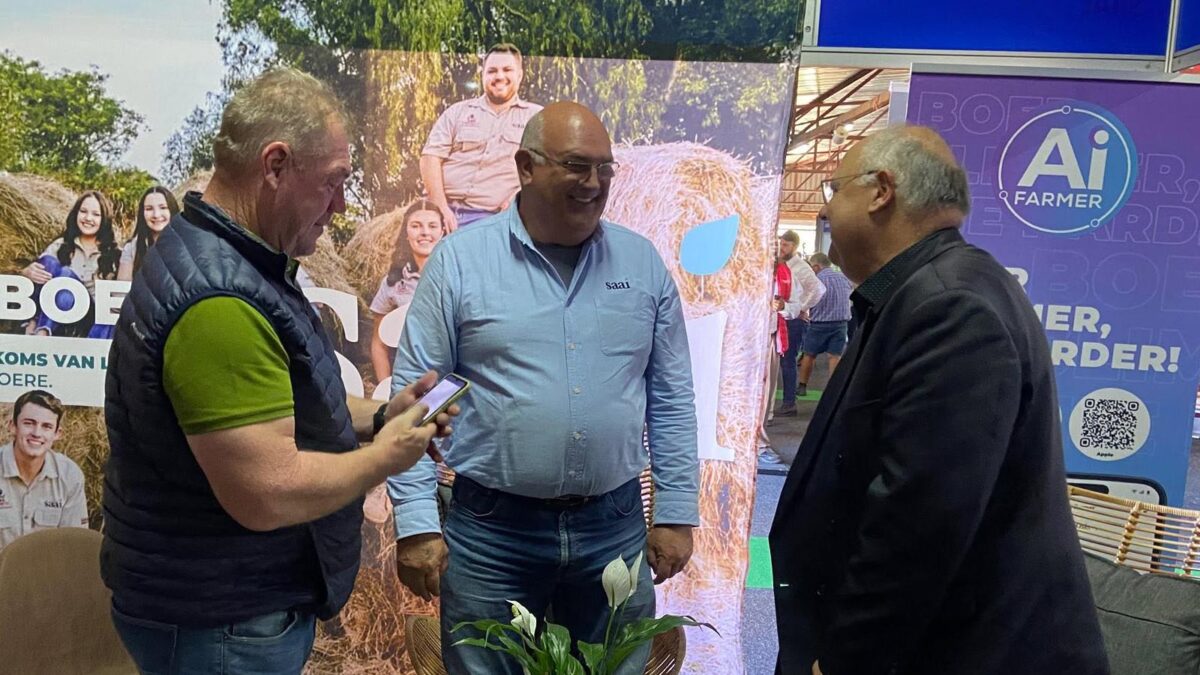
Theo de Jager, executive director at Southern African Agri Initiative (SAAI), said that very few land reform projects have been successful.
He added that politicians confuse unused land with operational farms, which require complex business models, continuous capital, and market access to survive.
De Jager shared his views during a panel discussion at the Expropriation Conference held in June 2026.
He explained that one of the key issues for farmers is the difference between raw land and an operational farm.
“Not all land is a farm. A farm is a piece of land, but it is much more than that. It requires a business plan, capital investment, and active management,” he said.
This is the issue which Zimbabwe is grappling with. They took the land and now want to compensate the former farm owners for the improvements.
However, those improvements are long gone. “That infrastructure is what turned raw land into a farm,” he said.
A similar situation is playing out in South Africa through land reform projects, where productive farms are given to black beneficiaries.
De Jager highlighted that 90% of land reform projects have failed on a business level. However, this is a best-case scenario.
“I still want to see the remaining 10%. While there are successful farms out there, they are few and far between,” he said.
He said the main reason for the failure isn’t that beneficiaries don’t know how to farm, as the majority do.
“The issue is that they cannot do so profitably. The business model simply doesn’t add up,” De Jager said.
“They lose connection to mainstream commercial markets and end up producing solely for their own subsistence.”
He said that the situation means that commercial agriculture degrades into smallholder operations and subsistence farming.
“Unfortunately, this dismantles our greatest economic asset in rural areas: the commercial businesses, the job creators, and the exporters,” he said.
He said that the land reform projects destroy successful commercial farms, which generate foreign currency in the country’s poorest regions.







 Loading ...
This lot couldnt organise an orgy in a brothel..