
R400 million spent on a bridge in South Africa’s richest province which remains unfinished


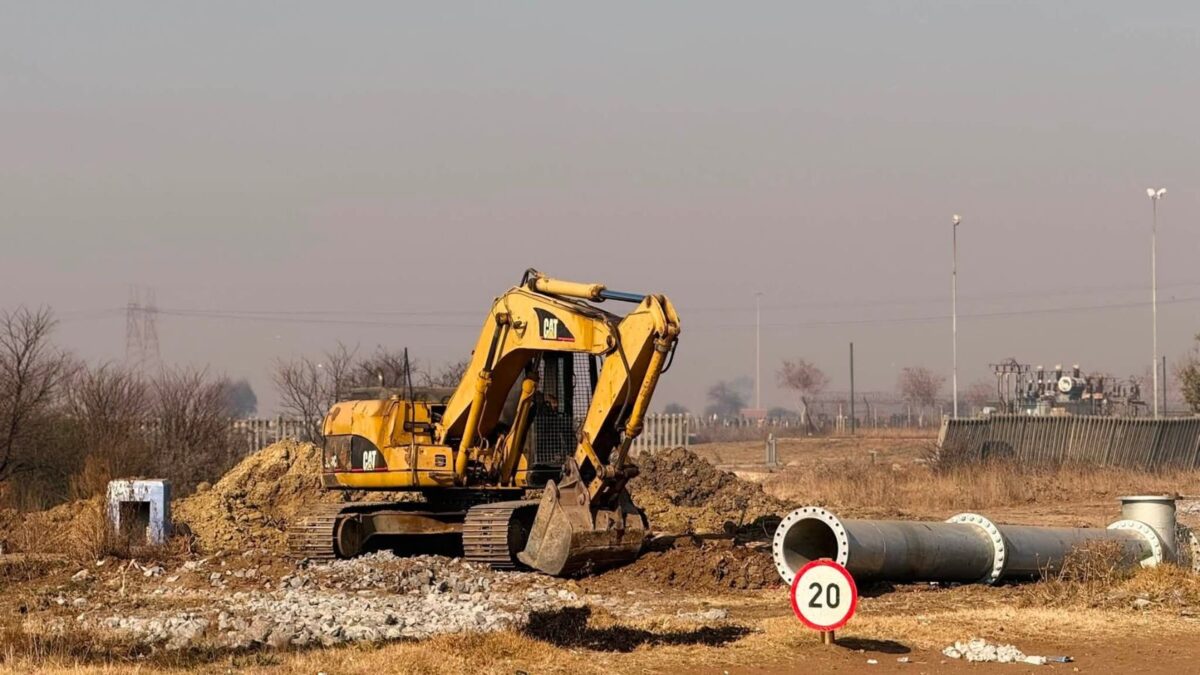
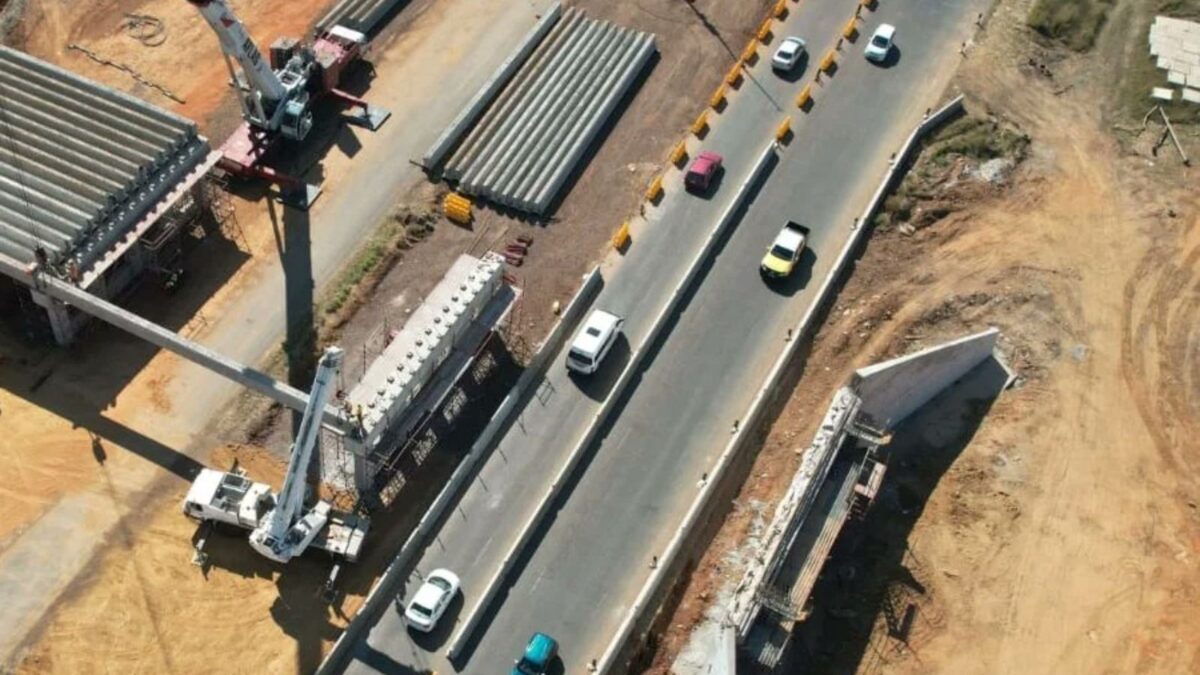
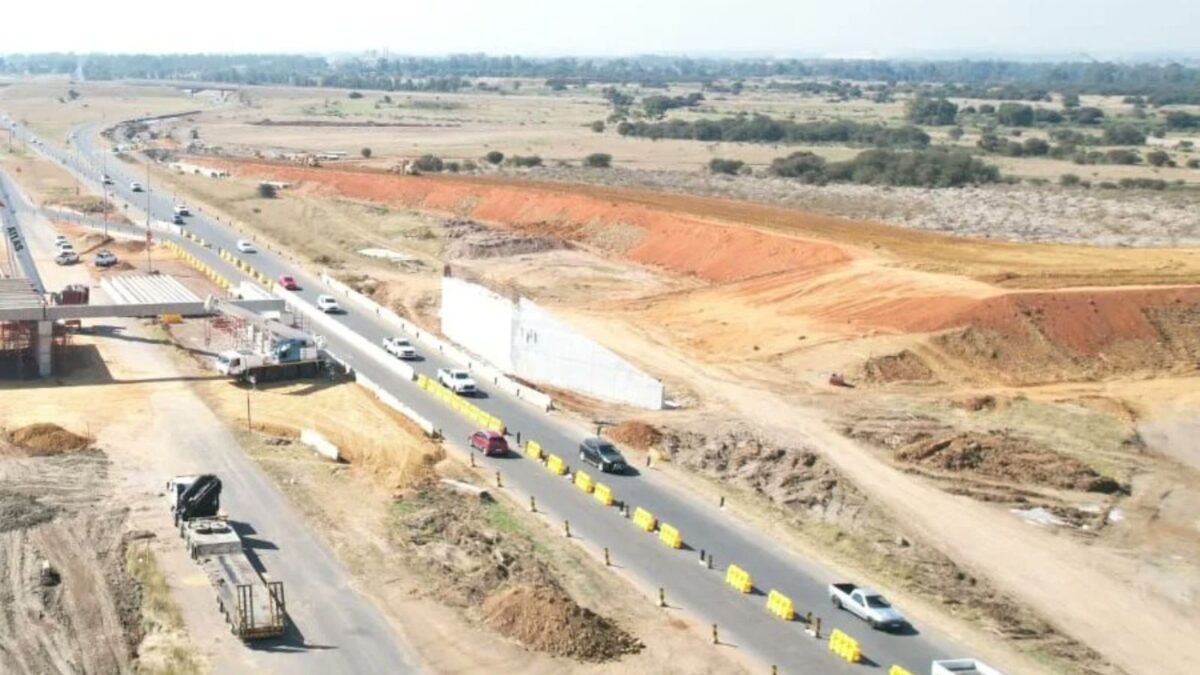
The Emfuleni municipality has spent over R400 million on a new bridge that is yet to be finished, despite the area’s ongoing service delivery crisis.
Emfuleni is one of Gauteng’s manufacturing hubs, located south of Johannesburg and containing Vanderbijlpark and Vereeniging.
The area is known for its large-scale steel manufacturing and key processing facilities for mining operations.
The area has drawn scrutiny over one of its infrastructure projects – the construction of a bridge.
This project is intended to connect major areas in the municipality, and was the largest road infrastructure project in Gauteng at its inception.
The municipality said this project was a key component of reestablishing Emfuleni as the industrial heart of the province.
It was part of the Vaal River City project, which aims to create a megacity within the municipality.
This project has been backed by local and international groups, with an estimated R30 billion in investments needed to complete construction.
Currently, the project remains unfinished despite R400 million having been invested in its construction.
Along with the overpass, separate road construction projects in the area are incomplete, including two other bridges.
These bridges are situated on private land and were not a part of the project’s original scope.
The Democratic Alliance (DA) have condemned the project, labelling it “an exercise in futility.”
“The failure to plan by the municipality has resulted in the construction of a bridge that is effectively a dead end,” it said.
The party said the project was a poor use of taxpayer funds, which should have been spent on improving the municipality’s service delivery.
The area has been plagued by poor service delivery, with power outages and late refuse collection common for residents.
“Service delivery should take precedence over a bridge. It really is as simple as that,” the DA said.
“The R400 million could have been directed towards addressing inoperable rubbish dumps and raw sewerage flowing through what remains of roads across the municipality.”
The party said the bridge construction represented “an absence of strategic foresight” from the area’s local government.
No money left for service delivery
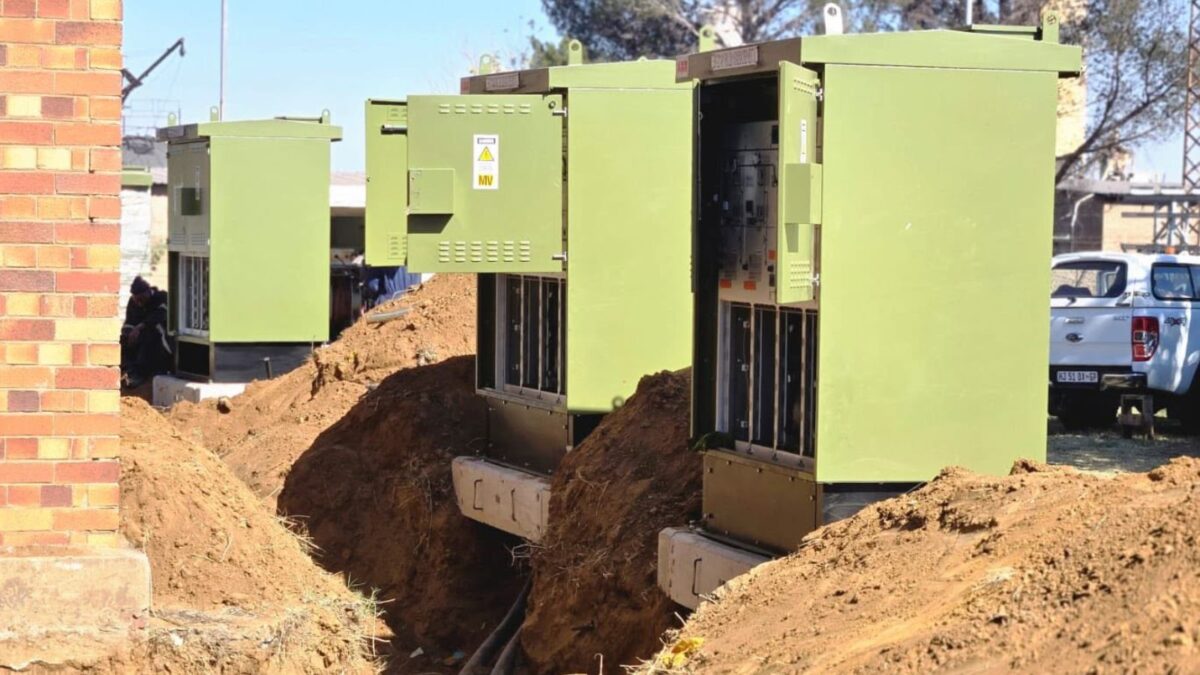
The high cost of Emfuleni’s infrastructure development plans is particularly concerning, given the municipality’s previous unfunded budgets.
For the past five years, the municipality has had unfunded budgets, where expenses are greater than revenue.
These have occurred due to the local government’s poor debt collection, resulting in it failing to meet its proposed revenue targets.
Emfuleni also carries significant debts to bulk service providers such as Eskom and Rand Water due to its failure to collect revenue.
In February 2026, the municipality’s debt to Eskom reportedly reached R1.6 billion, demonstrating its poor financial position.
These financial challenges have led to a service delivery crisis in the area, as the municipality cannot afford to maintain its infrastructure.
This has left many residents without power and water as the area’s infrastructure deteriorates due to inadequate maintenance.
For the current financial year, Emfuleni earmarked approximately R475 million to improve infrastructure and address service delivery challenges.
The area will also rely heavily on insourcing for its maintenance projects to reduce the high costs of external contractors.
While the municipality’s current budget is funded, it relies heavily on high debt collection rates to meet its revenue targets.
The area would need an overall debt collection rate of 88% to ensure the budget remains fully funded.
In November 2025, the municipality achieved a 69% collection rate, well below its annual target of 85%.
This leaves questions about whether the area will be able to meet its collection requirements and have enough revenue to adequately deliver services to its residents.
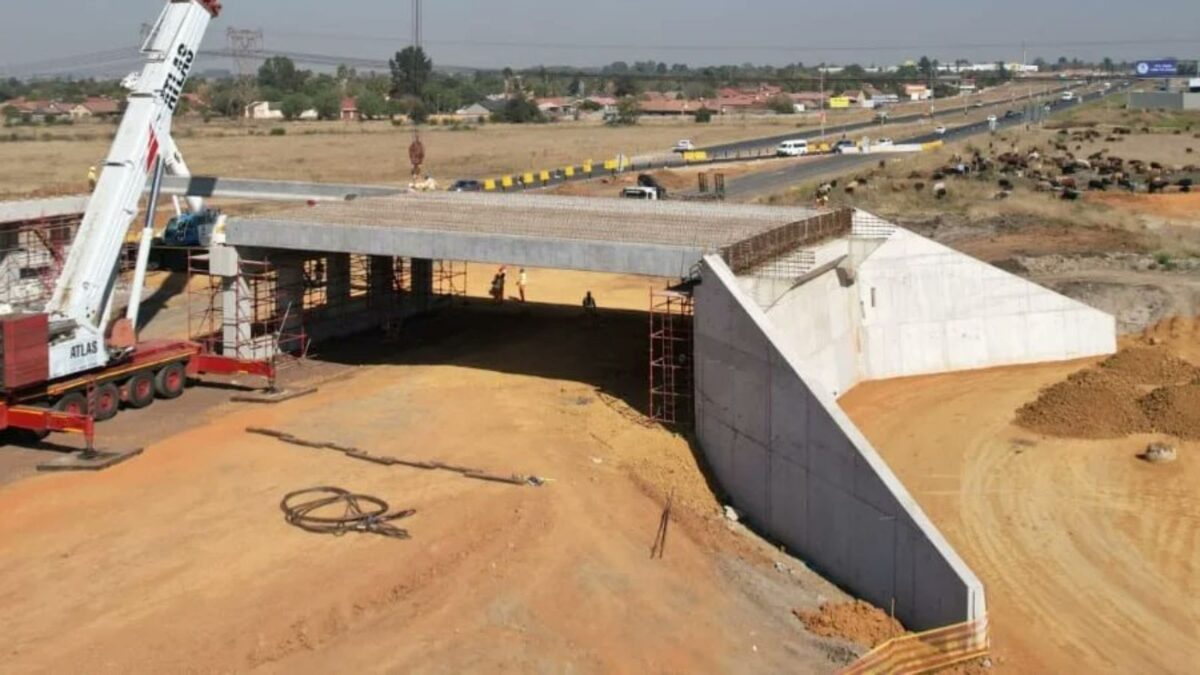
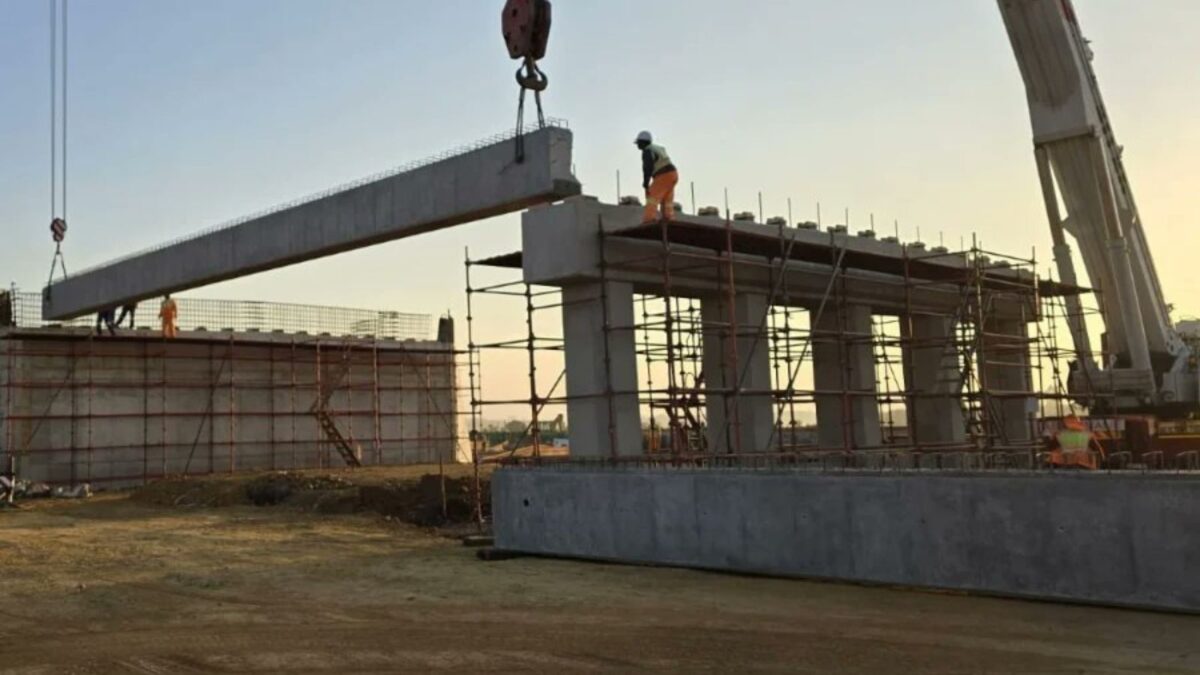
Photos of the incomplete bridge


 Loading ...
Wait a minute…. what about the “iconic” unfinished Bridge in Cape Town?