
Concerns about the safety of drinking water in major South African city


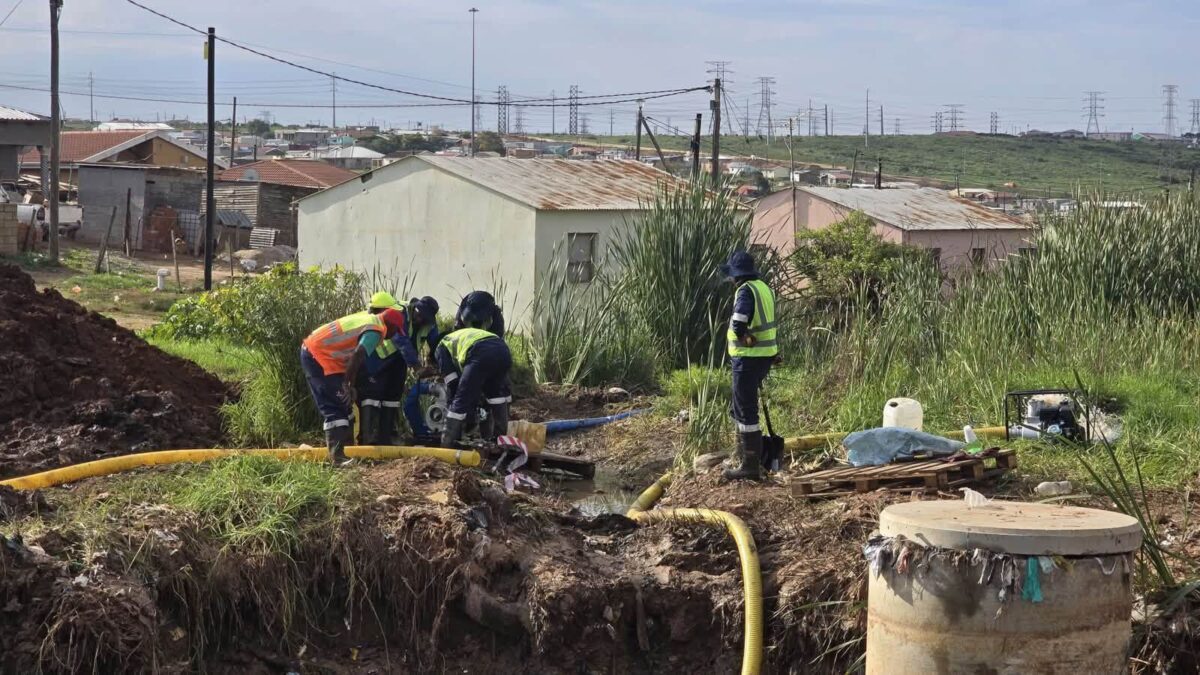
Critical infrastructure is failing in Nelson Mandela Bay, and for many residents, the tap water has become undrinkable.
In areas within the metro, such as KwaNobuhle, residents have reported that their water is brown or cloudy.
In other areas, many people are reporting a complete lack of water, with some facing shortages lasting days.
The supply crisis has come as water reservoirs struggle to meet the demands of Nelson Mandela Bay’s residents.
Reservoirs such as the Rosedale, Lovemore Heights, and Upper Tank are empty, failing to supply surrounding areas.
Other areas are at critically low levels, including the Emerald Hill water supply, currently at 8% of capacity, and the Airport reservoir, at 1%.
While this crisis is playing out for residents, the municipal government has failed to adequately address the deteriorating infrastructure.
The municipal budget allocated approximately R288 million to infrastructure, but only 22% has been spent on improving the metro.
The unspent amount of roughly R236 million comprises primarily infrastructure grants, which will be returned to the National Treasury.
The lack of investment has led to deteriorating infrastructure, with residents not receiving adequate service delivery as the municipality’s water system crumbles.
In addition to infrastructure failures, Nelson Mandela Bay’s Water Directorate is alarmingly understaffed, with a vacancy rate of 44%.
Out of the large number of vacancies, 73 were identified as critical roles. Only three of these were filled in the last year.
The metro has previously stated that approximately R117 million would be needed to comprehensively fix the area’s water systems.
This number does not reflect the actual amount spent on maintaining the area’s critical infrastructure over the past year.
With the metro only spending 22% of its allocated infrastructure budget, it has failed to adequately address service delivery challenges facing its residents.
The damage is not from the flooding
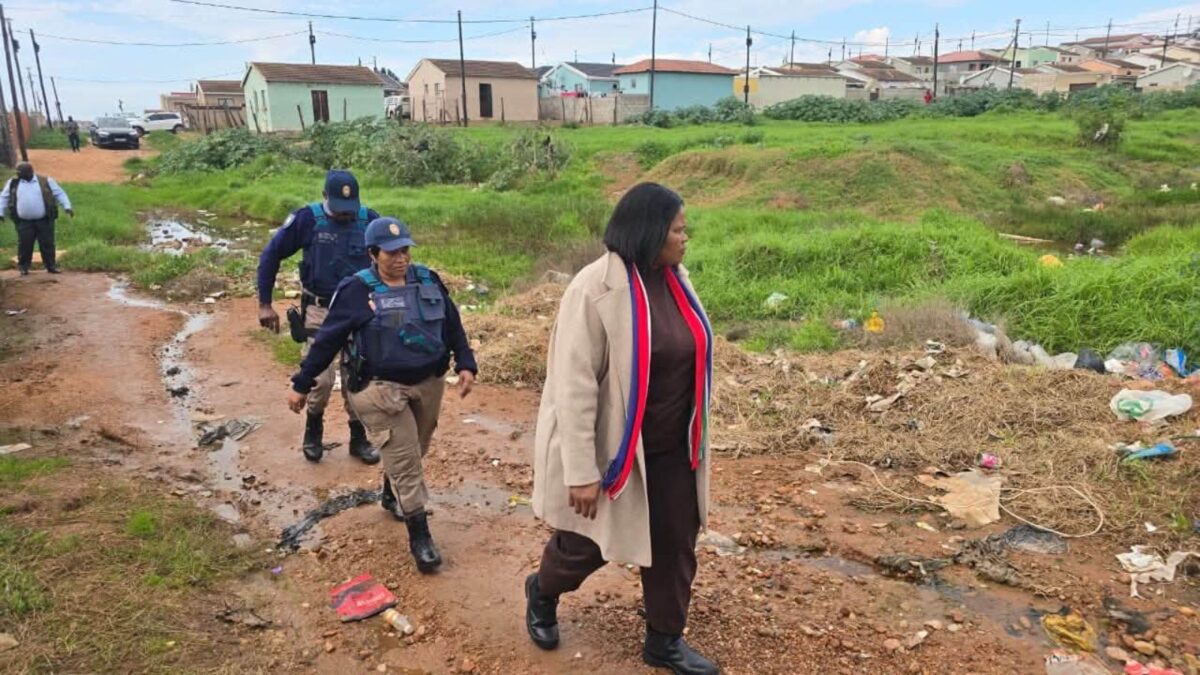
The deteriorating infrastructure was further worsened by flooding across the Nelson Mandela Bay area in the past.
Between 5 and 8 May, devastating floods swept through the metro, destroying roads and critical infrastructure.
Reportedly, after three days of flooding, the municipality had received over 100 reports of infrastructure damage.
These floods posed major service delivery challenges for the local government, which was not equipped to address the damage caused by the natural disaster.
Flooding is not uncommon in the area, with large parts of the Eastern Cape, particularly along the coast, often facing severe weather.
Severe storms often damage more than just water systems and can also destroy roads and agricultural land.
While it can be easy to attribute the municipality’s current challenges to natural disasters, others believe the flooding simply highlighted already-failing infrastructure.
Freedom Front Plus (VF Plus) member Bill Harington believes the metro’s service delivery challenges extend beyond the damage caused by recent flooding.
“The problem runs much deeper than the recent floods, as the floods merely exposed the underlying failures of the Metro’s water system,” he said.
He believes residents lack consistent access to water due to poor municipal governance.
“The water infrastructure of the Nelson Mandela Bay Metro is decaying due to backlogged maintenance, poor governance and inadequate planning,” he said.
He said the municipality should focus on consequence management for local officials who contributed to the water crisis through negligence or poor management.
The current issues are not new to the area, as water supply challenges have long been raised by residents of the Eastern Cape’s largest metropolitan area.
Solving this issue goes beyond simple fixes and would require long-term investment into repairing and upgrading the municipal water infrastructure.
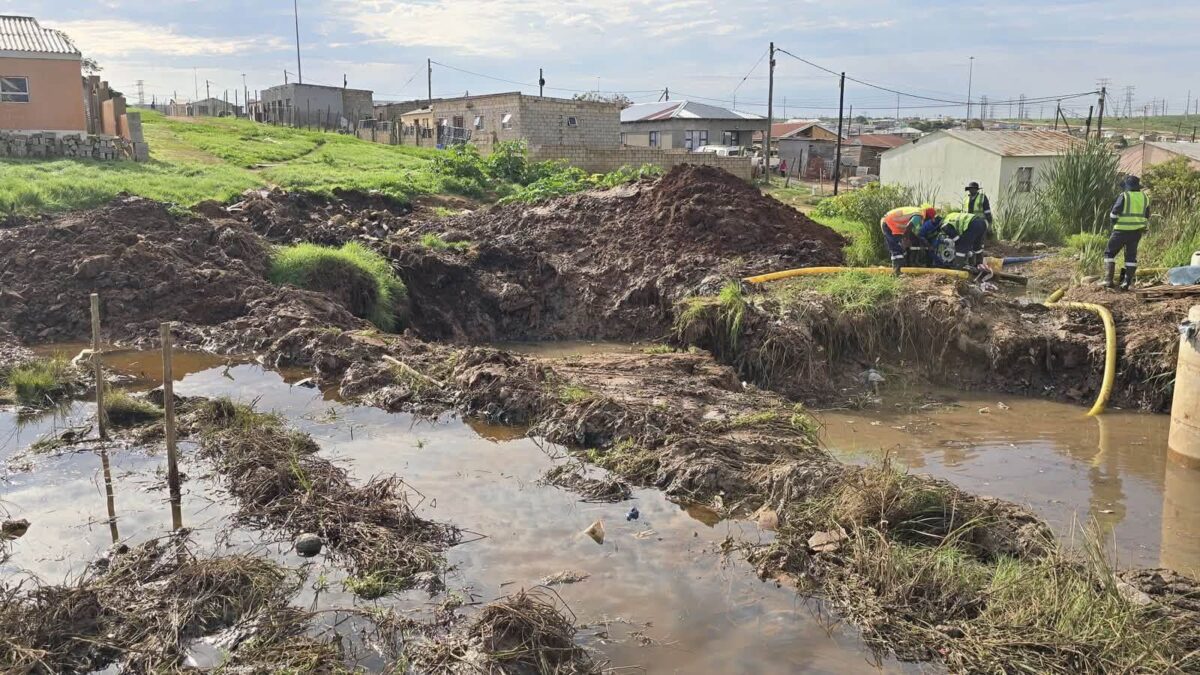
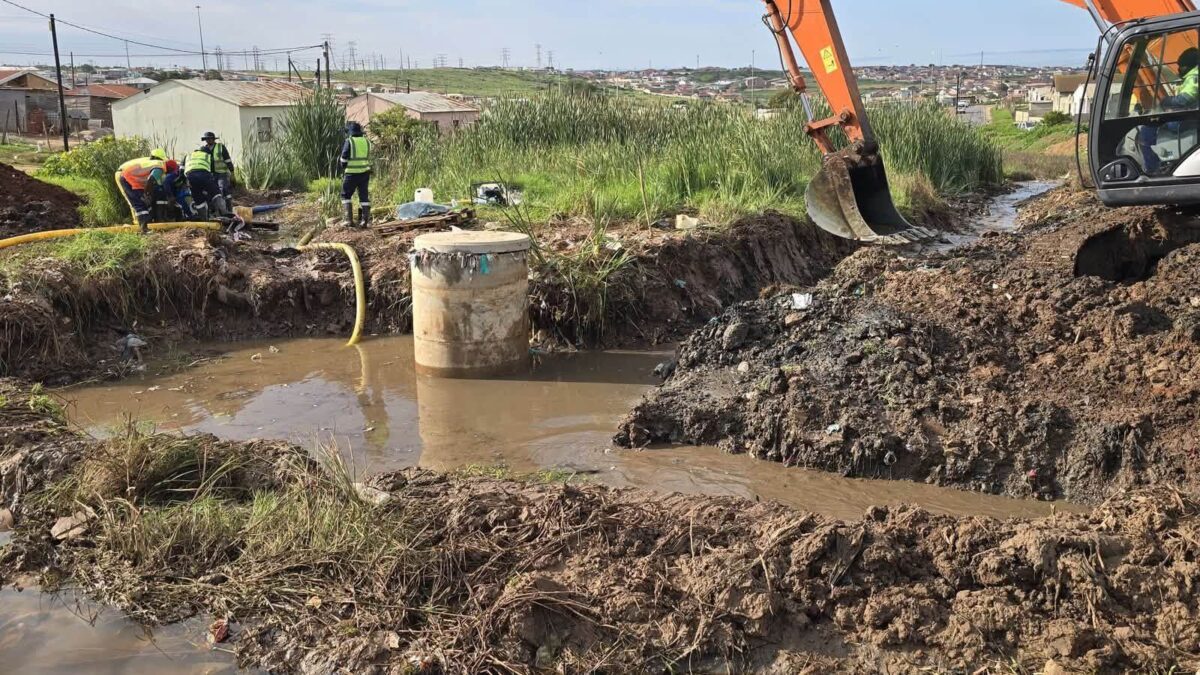
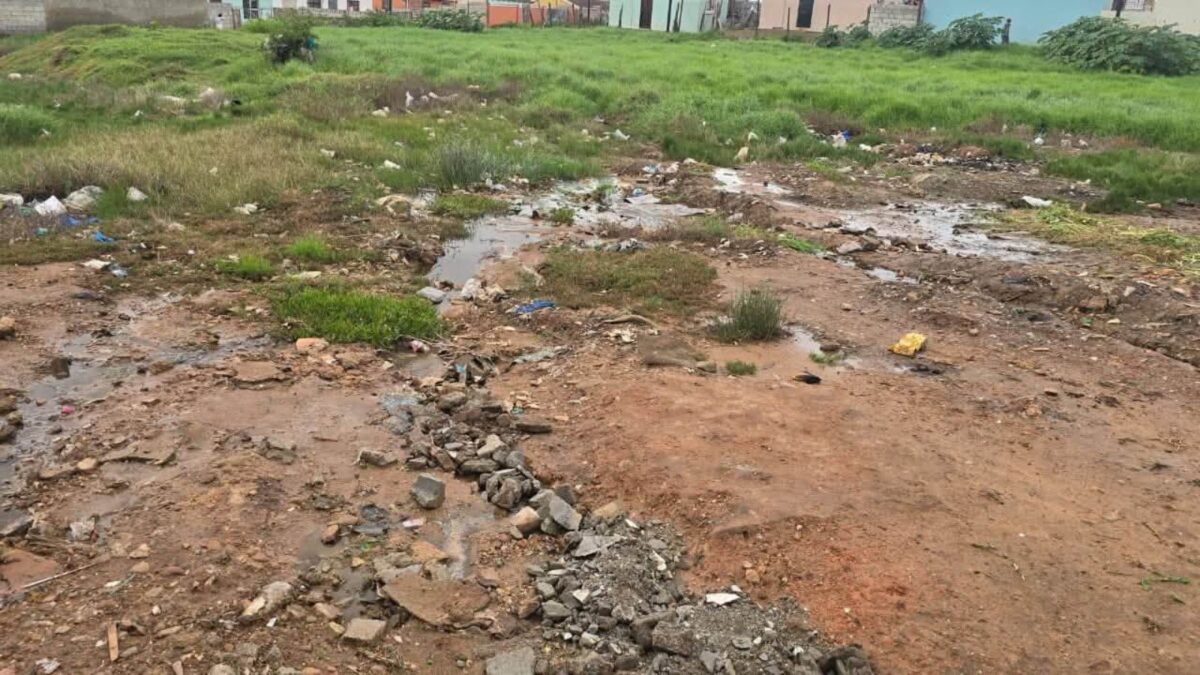
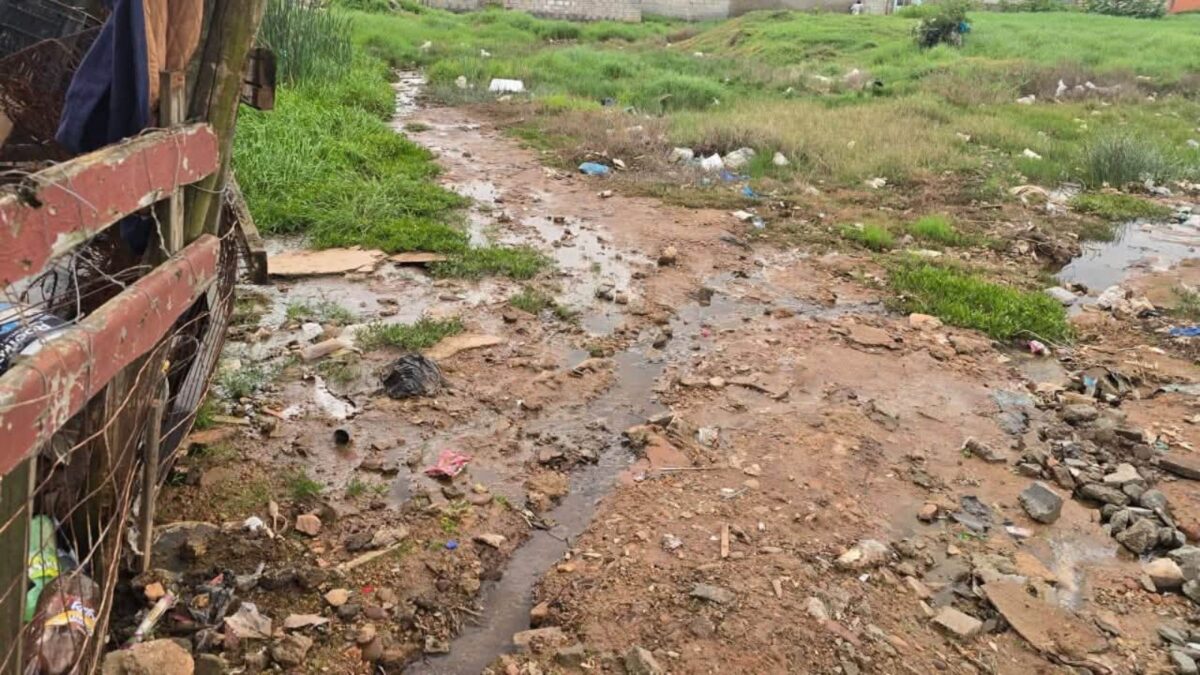
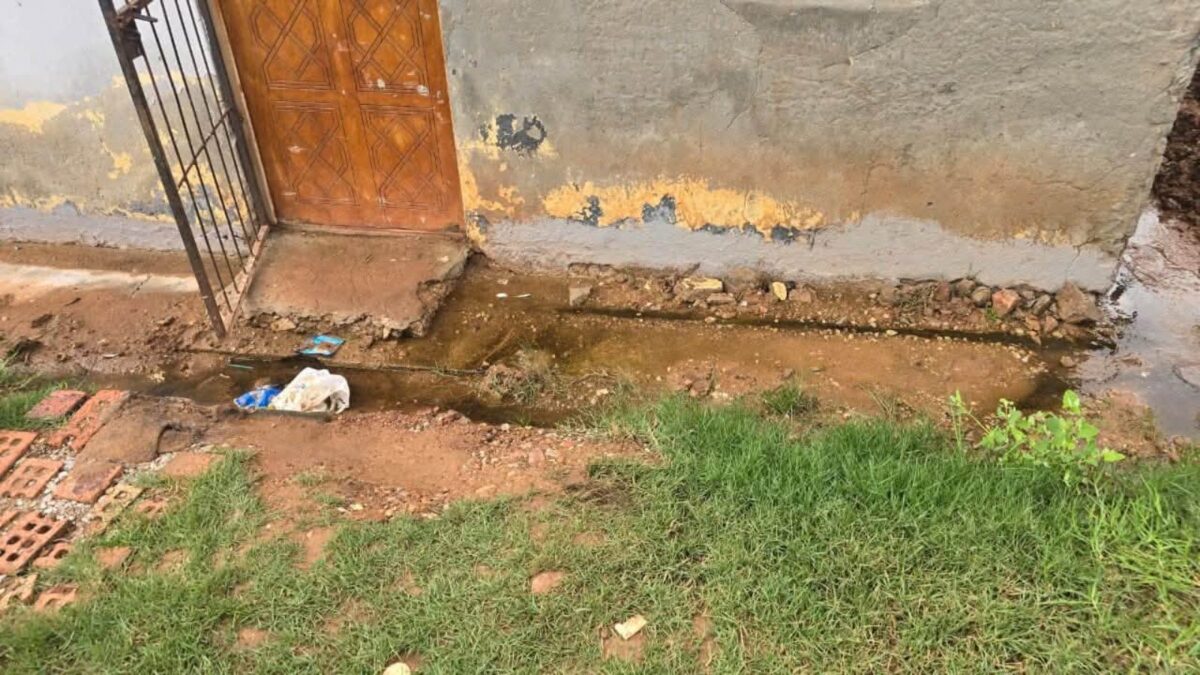
Photos of Nelson Mandela Bay’s failing water infrastructure




 Loading ...
With sewage flowing all over the place, how can one get clean water?