
South Africa’s local government elections will see very few outright winners: FF Plus leader


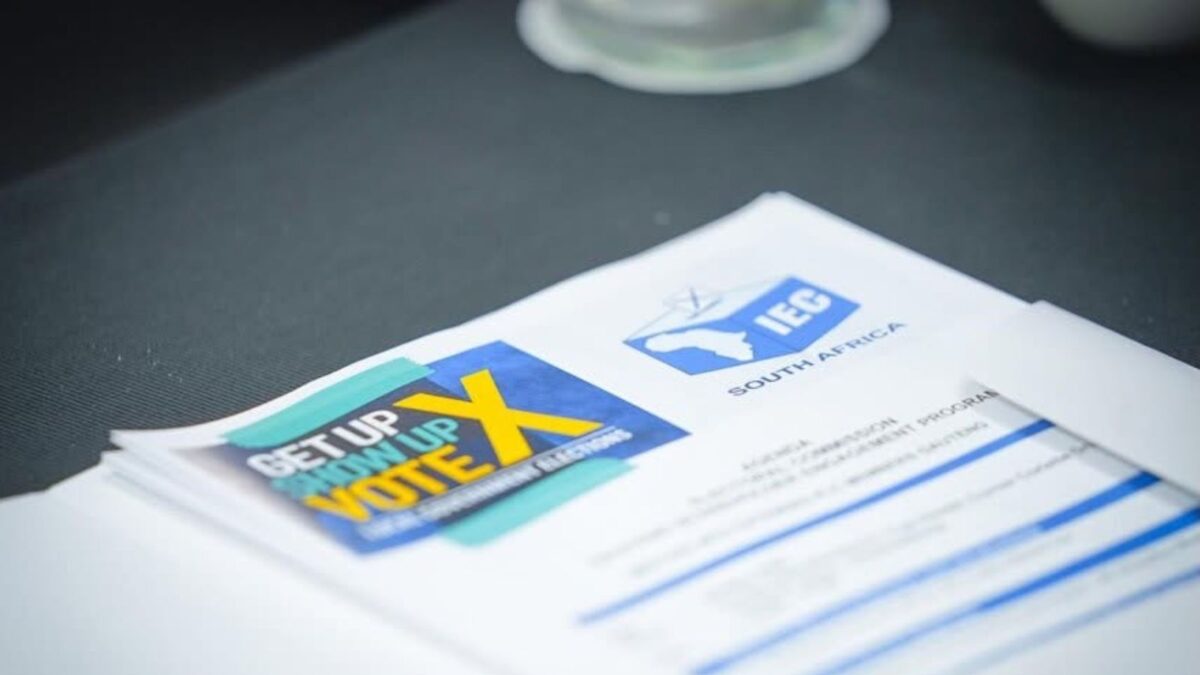
South Africa’s upcoming local elections will see very few outright winners, meaning most municipalities will have to rely on coalitions to function.
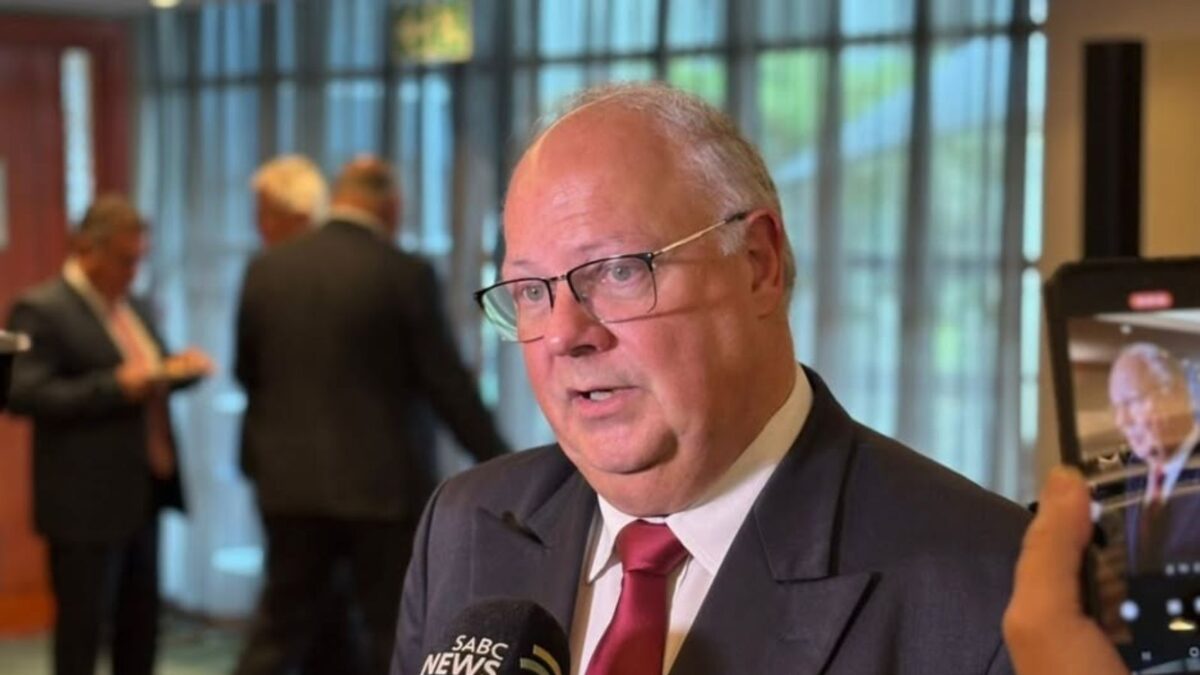
This prediction comes from Freedom Front Plus (VF Plus) leader Corné Mulder, who spoke on the BizNews podcast about what to expect in the November elections.
He said most areas can expect coalition governments, where no party can get above 50% of the vote.
“We are going to see coalition governments throughout South Africa and likely in most, if not all, the metros,” he said.
In past elections, the African National Congress (ANC) secured clear majorities in many parts of the country.
This has changed in recent years, as eroding faith in the sitting government and the formation of the uMkhonto weSizwe (MK) party stole votes from the ANC.
These factors came together in the 2024 elections, which saw the ANC lose their majority in the national government for the first time since 1994.
After this, the Government of National Unity (GNU) was formed, a coalition government with the ANC and Democratic Alliance (DA) as its largest members.
The GNU also included smaller parties, such as the Patriotic Alliance and the VF Plus.
Mulder said the prospect of municipal coalitions is good news for the country’s voters, who will have more representation in local government.
He said voters who support smaller parties will see their beliefs reflected in that party’s actions within the coalition.
He highlighted coalitions between the DA and VF Plus, who, he said, share similar ideologies regarding municipal governance.
This would mean that even if the DA had a better outcome in the election, VF Plus voters would be represented by the two parties working together in a coalition.
Mulder said that if the parties remain open to working together, unified governments can provide strong representation tailored to each municipality.
Municipal coalitions in the past
Mulder’s positive outlook on coalition governments is not well supported by past municipalities that have taken this approach.
After the 2016 local elections, Johannesburg formed a coalition placing DA member Herman Mashaba as the mayor of the city.
This coalition was formed by the DA and Economic Freedom Fighters (EFF), along with several smaller parties.
This partnership quickly broke down, with DA members accusing Mashaba of working too closely with the EFF.
One of Mashaba’s loudest critics, Helen Zille, said he had betrayed his party by aligning himself with the EFF.
Following this conflict, Mashaba resigned as mayor of Johannesburg and left the DA, forming his own political party.
Following his resignation, Johannesburg’s local government struggled to appoint a permanent mayor, with several candidates coming and going from the position.
These temporary mayors would not serve long in the position, with none lasting more than one year before Dada Morero permanently filled the role.
During this political turmoil, service delivery in the city stagnated, and the municipality’s debts to service providers, such as Eskom and Rand Water, skyrocketed.
In 2021, a coalition government was formed in Pretoria, which is part of the Tshwane municipality.
This coalition saw DA member Cilliers Brink named as the executive mayor in 2023, with the majority of his support coming from ActionSA and the VF Plus.
After this, the ANC tabled a vote of no confidence against Brink, which ultimately passed with the support of ActionSA.
Although ActionSA had originally supported the DA, it went against the party during the vote of no confidence, leading to one of its members, Nasiphi Moya, becoming mayor.
In both municipalities, political party conflict has been a major challenge to service delivery and effective governance.




 Loading ...
I believe that there will be too much competition between the opposing parties and the constituents will suffer as a result. Coalition government is not the way to go in South Africa.