
Teachers are leaving government schools because of crime, poor resources, and a poor work environment


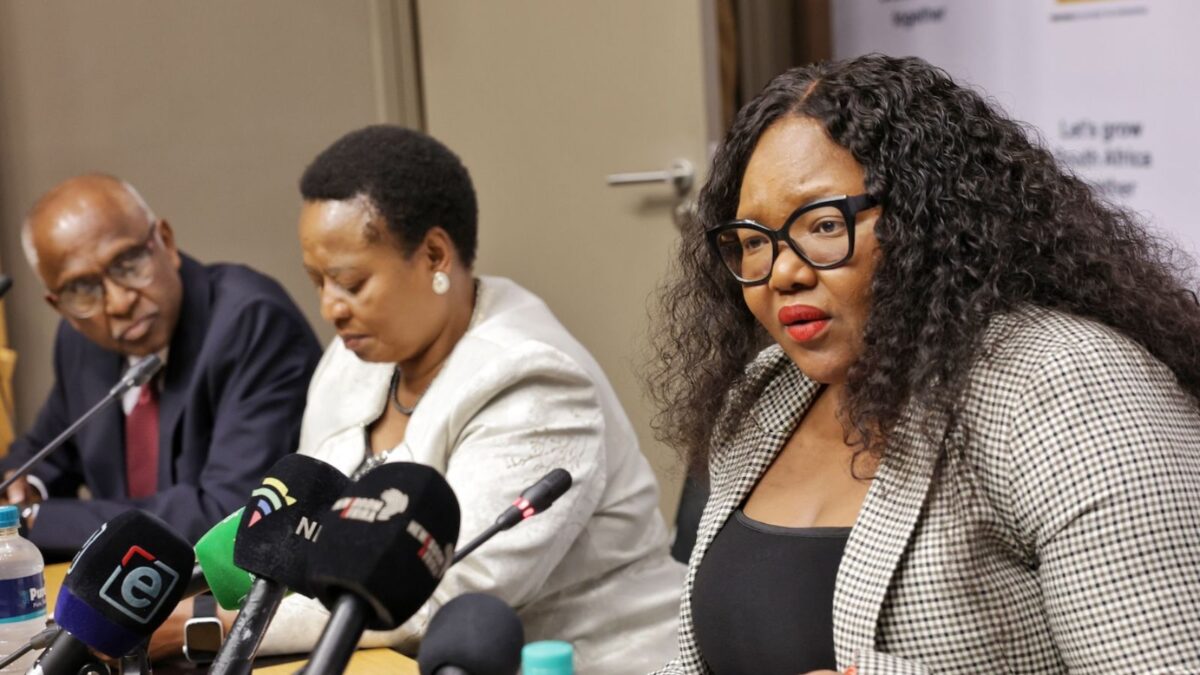
Government schools are struggling to keep teachers in the classroom, as better resources and work environments pull them away.
In many South African schools, a lack of resources impacts learning and makes it difficult for teachers to engage students.
While many schools lack higher-end technology, such as projectors or computer labs, some struggle to even have enough desks or seats for learners.
Other schools lack proper classrooms, with deteriorating infrastructure and insufficient repairs, damaging the learning environment.
While these challenges clearly impact students, teachers are also affected by the poor working environment.
In the Eastern Cape, an alarming number of teachers are leaving their positions in search of better working environments in higher-resourced schools.
South Africa’s Minister of Basic Education, Siviwe Gwarube, commented on this phenomenon, saying teachers are leaving for several reasons.
She said many teachers face challenges with commuting to schools in rural areas, since these areas are often far from residential areas.
Another concern is safety, with many teachers worried about schools in high-crime areas.
Gwarube also said better-resourced schools are more attractive to teachers because they offer better learning environments and infrastructure.
To retain teachers, the Minister noted that government schools need to improve their infrastructure to create functional and safe classrooms.
Incentives should also be part of the Education Department’s plans to retain teachers, thereby improving the affordability of teaching in rural areas.
Gwarube said that safety concerns need to be addressed, as this issue is a major reason teachers leave government schools.
“Educator retention cannot be separated from the safety of educators, learners and school communities,” she said.
In 2025, a study concluded that 30% of educators did not feel safe in the school environment, with concerns including violence from students and high-crime rates in the surrounding areas.
In the Western Cape, 41% of teachers have been the victim of violence in schools, causing severe mental distress.
Teachers leave for better environments
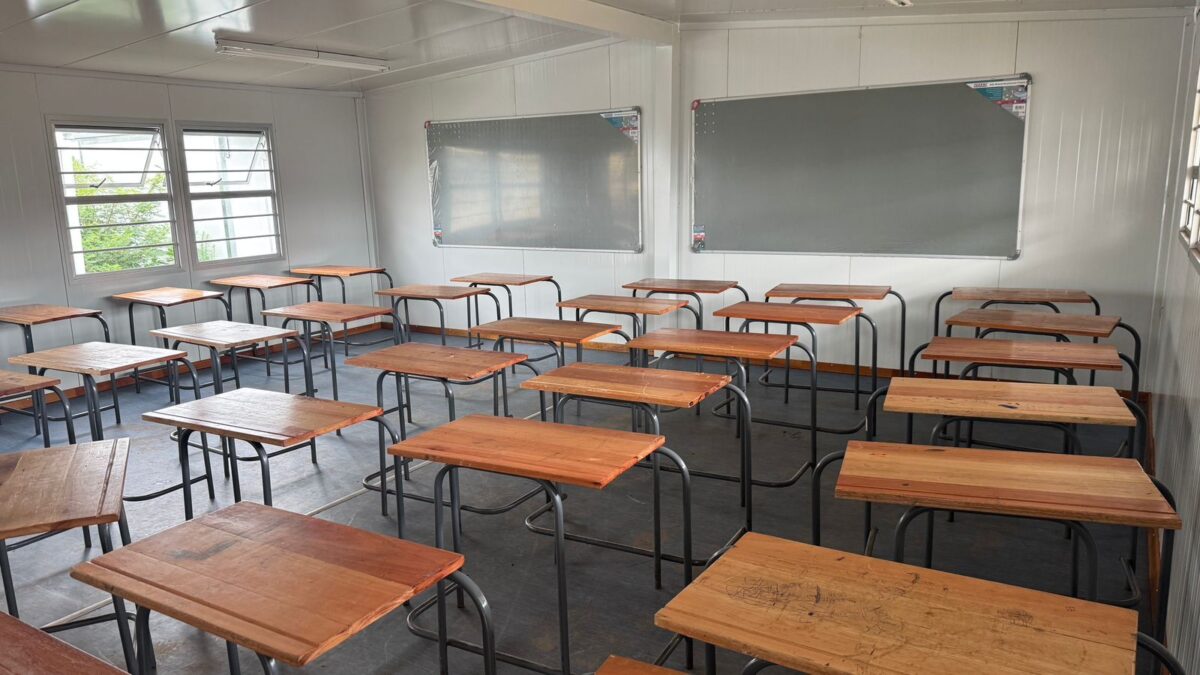
South Africa is facing a crisis as qualified teachers seek better work environments or leave the profession entirely.
A recent study found that 49% of South African teachers wanted to leave the classroom, with 8% planning to do so within the next year.
This number rises for people teaching in rural areas, where only 43% want to stay in the profession for the foreseeable future.
A majority of teachers also said rural areas were their least preferred location to teach, with most preferring schools in metros or large cities.
The study found that teachers in affluent schools were more likely to want to stay, but many still wanted to leave these higher-resourced environments.
41% of teachers in high-fee schools, including private schools, are looking for work in a different role, with 8% wanting to leave within one year.
In addition to leaving the profession, a growing number of teachers are seeking opportunities abroad.
This includes moving to countries such as Australia, England, and the United Arab Emirates for teaching positions.
In these countries, school infrastructure is better maintained, and the learning environment is more comfortable for educators.
Teachers also have financial motivations for looking abroad, since many countries offer better benefits and wages.
The exodus of teachers also occurs amid a shortage of qualified educators in South Africa.
Currently, public schools in the country have roughly 30,000 vacant positions, with up to 6,000 teachers leaving these schools every year.
While these resignations include retirements and people moving to other public schools, many are due to teachers leaving the education system entirely.
Gwarube said teacher retention must be addressed to ensure that schools can continue to operate effectively.
“A credible response must deal with both the conditions in schools and the conditions under which educators are expected to work,” she said.




 Loading ...
An illiterate population is easier to control and manipulate. Good for voting time. This is the way all across Africa.