
9 months on – South African refugees in the United States face an uphill battle


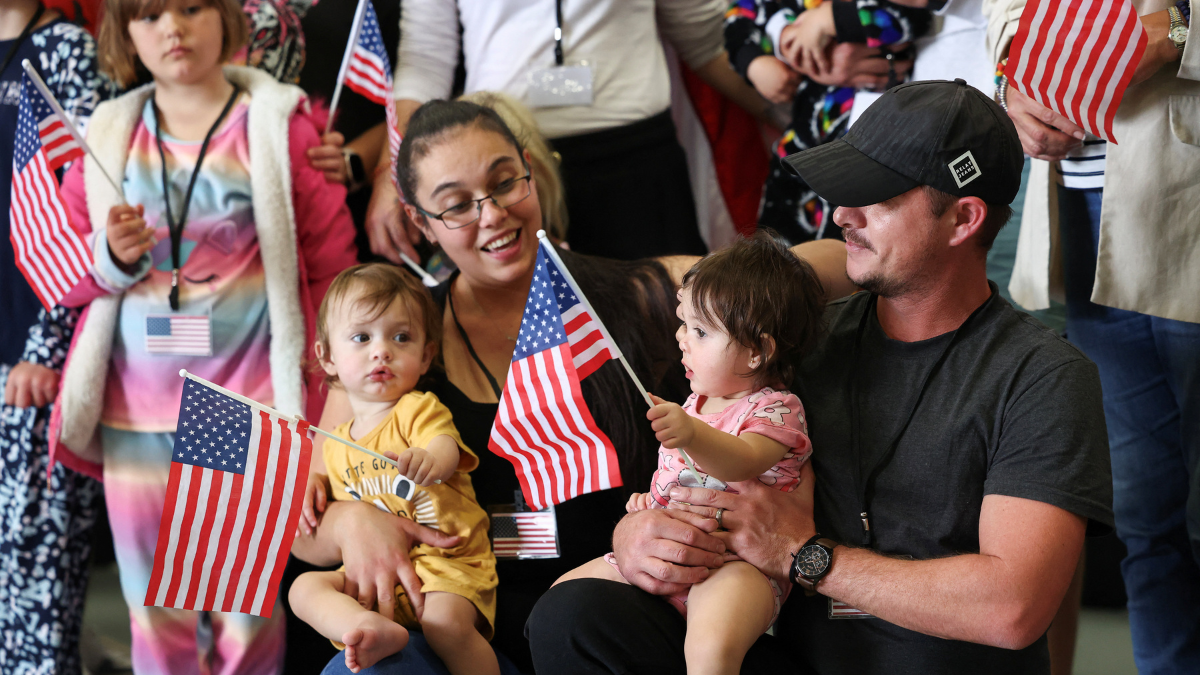
An investigation by The Free Press has found that many of the Afrikaner refugees who moved to the United States are living in unhealthy and unsafe conditions.
Claims by these refugees included living in cockroach-infested apartments, eating a single meal a day, and having miles-long walks to buy groceries – even in snowy conditions.
“We left everything behind. We both had good jobs. We had a house, cars,” said one refugee. “We left everything to come to the US for our safety.”
According to another refugee who spoke to The Free Press, the limited stipend they receive forces them to live in high-risk neighbourhoods.
“We come from a place where you have to grow a set of eyes on the back of your head, only to move to another unsafe place and be told by the locals you’re now in harm’s way,” he said.
How refugees are supported
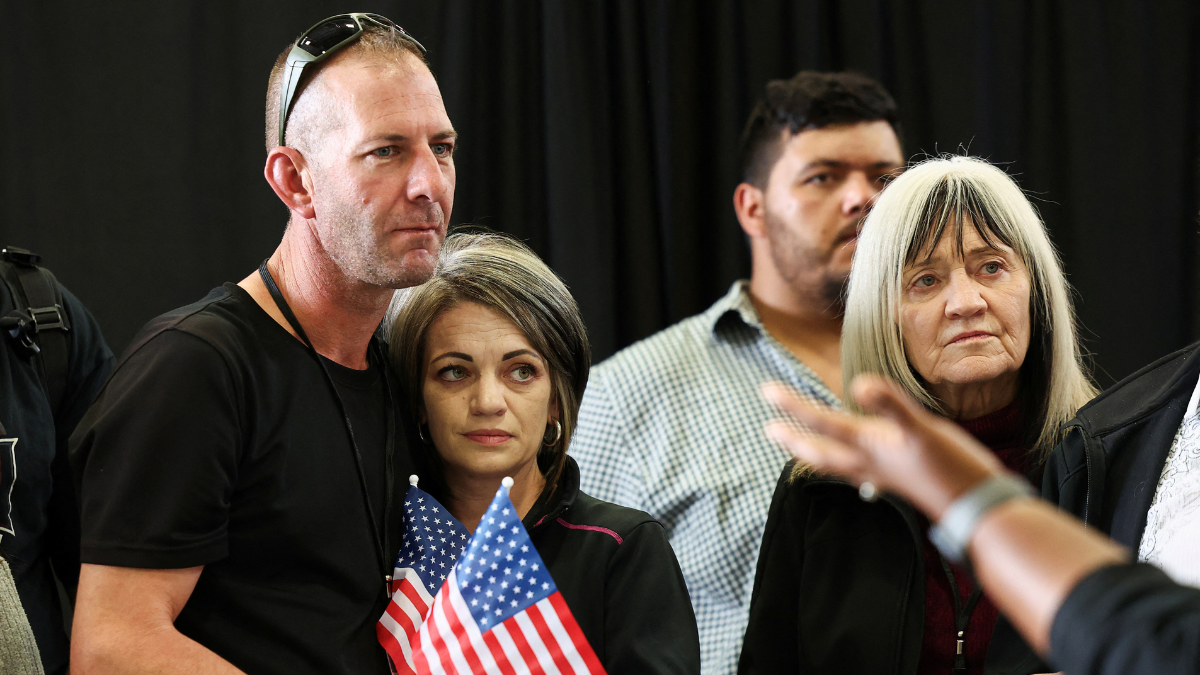
Refugees who arrive in the United States are meant to be looked after by one of seven nonprofit organisations.
These entities must help refugees find temporary housing, give them money to buy food, and facilitate interactions with government agencies to help refugees get Social Security numbers and public medical aid.
However, many of the Afrikaner refugees said they have mostly been left to fend for themselves.
One refugee said their non-profit partner had found them a rental home in North Carolina, but then claimed all resettlement funds had been used up on their rent.
As a result, the refugees have been supported in part by a neighbour.
“I gave them air mattresses and pillows, because their beds weren’t appropriate, and I’ve taken them to the ministry to get clothing,” said the neighbour.
“I feel like they’re being neglected, and the agency is setting them up for failure.”
America’s controversial refugee strategy
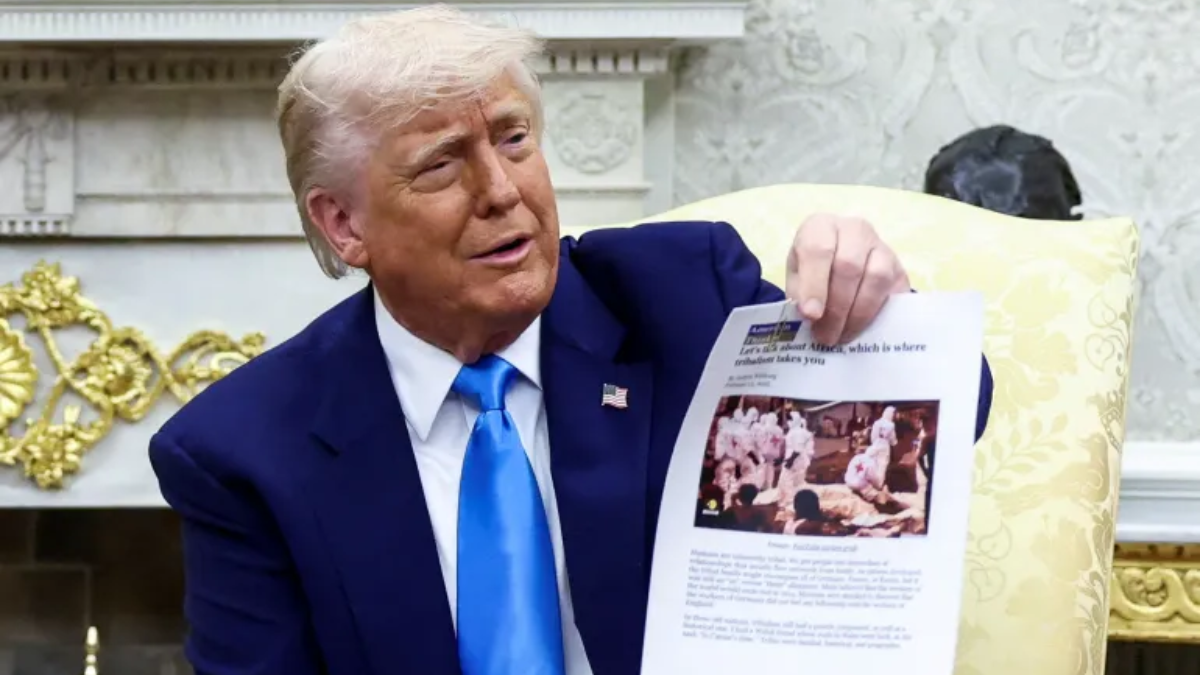
The fast-tracking of Afrikaners as US refugees has been a controversial topic, both in the US and in South Africa.
The US has provided Afrikaners with refugee status based on the disputed idea that there is an ongoing “genocide” against Afrikaners in South Africa.
Furthermore, Afrikaner refugees have been fast-tracked into the US, even though under the Trump administration, the maximum number of refugees was decreased from 125,000 per year to 7,500 per year.
Over 1,500 Afrikaners have arrived in the US since May 2025, meaning more than 20% of the US’s total refugees it will accept comprise Afrikaners.
“The admissions of up to 7,500 refugees to the United States during Fiscal Year 2026 are justified by humanitarian concerns or are otherwise in the national interest,” said Trump in a Presidential Determination last year.
“The admissions numbers shall primarily be allocated among Afrikaners from South Africa pursuant to Executive Order 14204, and other victims of illegal or unjust discrimination in their respective homelands.”
US Representative Jamie Raskin, Senator Dick Durbin, and other Democrats responded to Trump’s determination with deep criticism.
“This bizarre presidential determination is not only morally indefensible, but it is also illegal and invalid,” they said.
Furthermore, Gideon Maltz, CEO of Tent Partnership for Refugees, said that refugees help address labour shortages and that the program “has been extraordinarily good for America.”
“Dismantling it today is not putting America first,” added Maltz.
Afrikaner refugee status
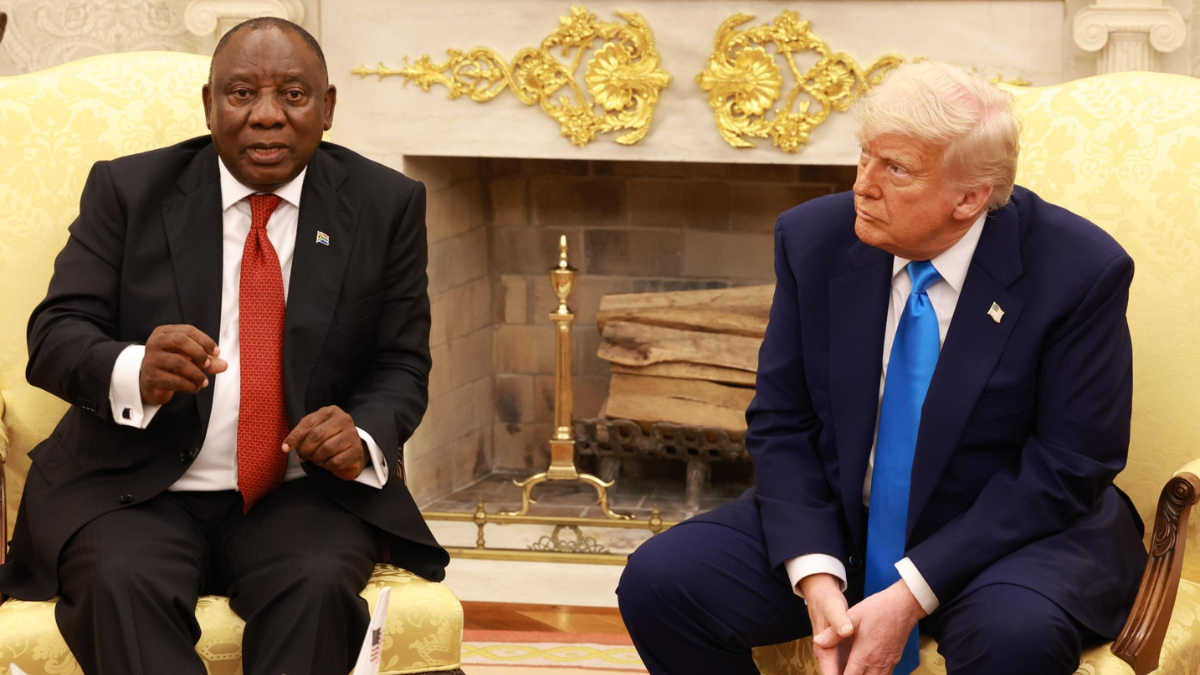
The South African government said that the determination’s focus on Afrikaners appeared to “rest on a premise that is factually inaccurate and a disregard for our constitutional processes.”
“The claim of a ‘white genocide’ in South Africa is widely discredited and unsupported by reliable evidence,” said Department of International Relations and Cooperation spokesperson Chrispin Phiri.
Trump has also received criticism from within the US for his prioritisation of Afrikaner refugees.
Gregory Meeks, ranking Democratic member of the House Foreign Affairs Committee, told the BBC that it was “not just a racist dog whistle, it’s a politically motivated rewrite of history.”
Additionally, Bill Frelick, Director of the Refugee and Migrants Rights division of Human Rights Watch, said Trump’s actions undermine a long history of the US helping people in need.
“The idea that there were refugees who had been identified, vetted, who had spent years as refugees, and their hopes for admission to the United States after years of suffering had been crushed, that now the one exception would be made for Afrikaners just seems like a cruel twist to those refugees to whom the door was closed in their face,” Frelick told PBS.
“It sends a message that unless you’re a member of a privileged group that the U.S. has a preference for, the door is closed to you entirely.”





 Loading ...
Starting over in a foreign country is NOT EASY. It could take them SEVEN YEARS to adapt. Our forefathers who moved to SA during the 18th and 19th centuries had also suffered hardship.