
Two ANC politicians cost South Africa 550,000 jobs


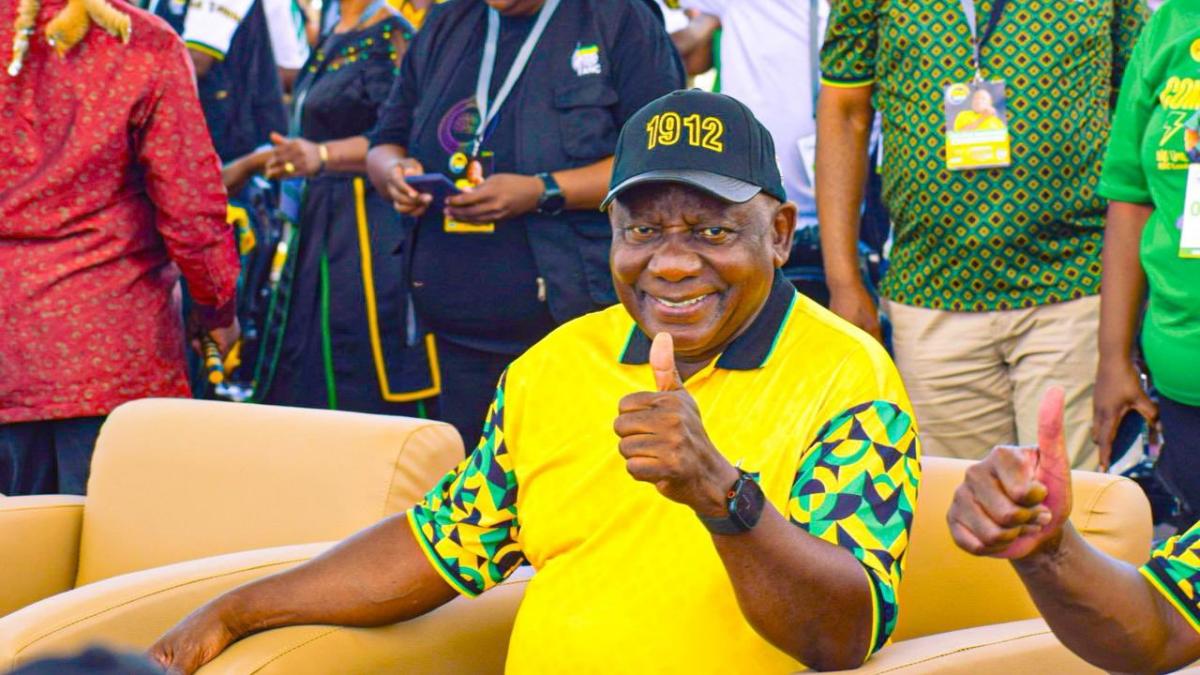
Mining analyst Peter Major said Cyril Ramaphosa and Gwede Mantashe have overseen the loss of hundreds of thousands of jobs in South Africa’s mining sector.
Major is a director at Modern Corporate Solutions and one of South Africa’s most respected experts in the mining sector.
He told Biznews that President Cyril Ramaphosa and Minister of Mineral and Petroleum Resources Gwede Mantashe have caused tremendous damage to mining.
This is largely due to their inability to address the concerns raised by the South African mining industry.
Under the ANC government, the industry has been plagued by policy uncertainty, threats of nationalisation, and deteriorating infrastructure.
South Africa’s mining output has been flat for the past 20 years as companies are hesitant to invest in new projects or expand existing operations.
Major explained that investing in a new mining project typically involves an operation of between 50 and 100 years.
It is also extremely expensive. Before any dirt is moved, companies must prove that the minerals are there in high enough concentrations to be profitable.
This exploration itself is extremely costly, with no certainty that the money will result in a profitable business later.
Major said no new mineral exploration has occurred in South Africa for the past two decades, resulting in an entire lost generation of mines.
He said the warning lights have been flashing for years, with the reality finally beginning to hit home.
He cited Mantashe’s closing address at the 2025 Joburg Mining Indaba, as an example of the government’s lack of care for the industry.
“He had a chance to go up there at the end of the Indaba, and he can be a hero. He does not have to do much,” Major said.
However, Mantashe did not take this opportunity and offered no fresh ideas to revive the once-powerful industry in South Africa.
“He just ignored the entire panel before him, which outlined all of the challenges the mining industry is facing in South Africa,” Major said.
“It is very disappointing. It is almost like he does not want to be remembered or he wants to be remembered poorly.”
Major said it would have been easy to rise to the occasion and show some concern for the 450,000 gold miners that he and Cyril have helped to lay off.
He added that probably another 100,000 miners in other sectors have been laid off unnecessarily. “But, he does not seem to care about those people,” Major said.
South Africa’s lost opportunity
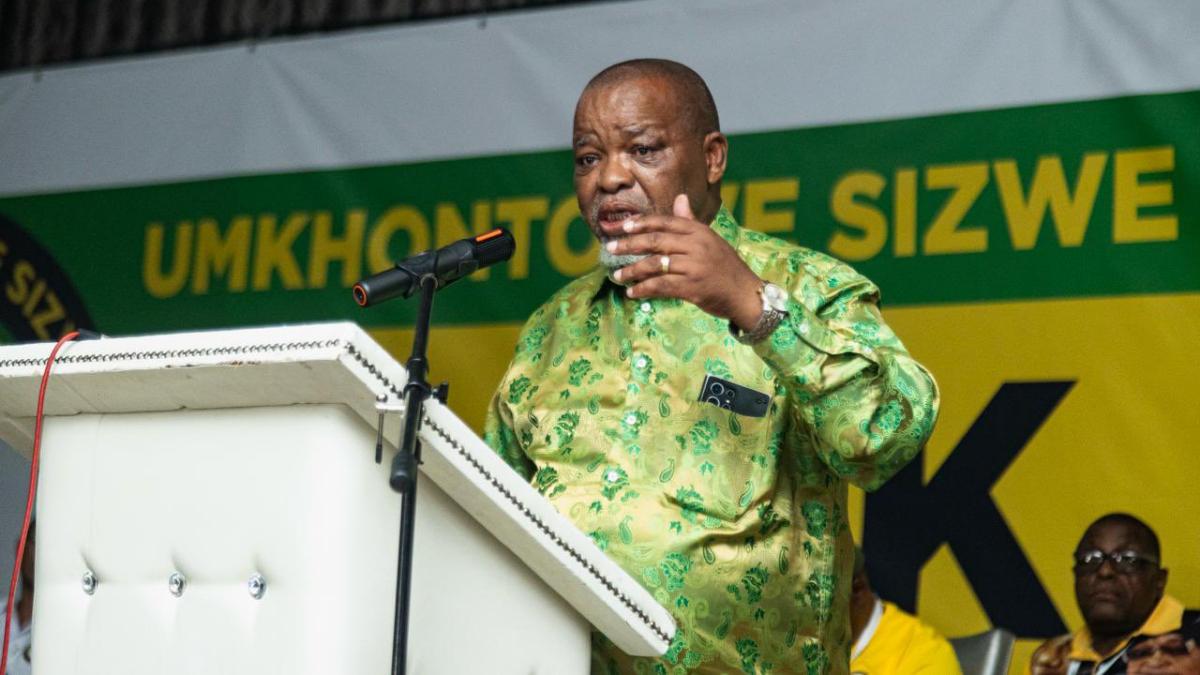
South Africa has lost tremendous opportunities in mining due to the lack of exploration and investment in the industry.
Mining analysts noted that it takes roughly 17 years to bring a mine from investment to full capacity.
Because of a lack of new greenfield projects over the last two decades, there were no new mines ready to be commissioned amidst the recent gold and platinum price surge.
In fact, it is worse than a lack of new projects. Large players like AngloGold Ashanti and Gold Fields have pivoted away from South Africa.
Their primary focus and capital have been moved to Australia, Ghana, and the Americas, citing South Africa’s high hurdle for investment.
South Africa now attracts less than 1% of global exploration capital, despite having one of the world’s greatest mineral endowments.
There are many reasons for this, including policies like black economic empowerment (BEE), policy uncertainty, and infrastructure constraints.
Transnet’s collapse has led to a nearly 40% drop in rail capacity utilization in South Africa since 2018.
In 2022 to 2023 alone, rail constraints cost the mining industry an estimated R50 billion in lost export opportunities.
South Africa’s unstable electricity supply and high prices have also caused damage to the mining industry.
For deep-level gold and platinum mines, some of the deepest in the world, this has made extracting ore prohibitively expensive, even at high spot prices.
There is also a major bottleneck because of the poor mining rights system, with thousands of prospecting and mining licenses stuck in administrative backlogs.
Most of these issues are political, which the ANC government caused due to vested interests and incompetence.
Despite numerous cries for help from the South African mining industry, their requests have mostly fallen on deaf ears to date.







 Loading ...
I have often observed that the anc does not understand the consequences of their actions until whatever they are touching at the time, is totally destroyed. Then someone with an IQ of 40 looks around and goes “Eish, she is broke” and then we enter the phase of navel gazing and scratching of heads….then after another 10 years of the anc desperately trying to save face, they come running to the private sector to fix things for them.
Every time it’s the same.
It’s time to say no.