
New R3.2 billion Christian Afrikaans university built without any government money


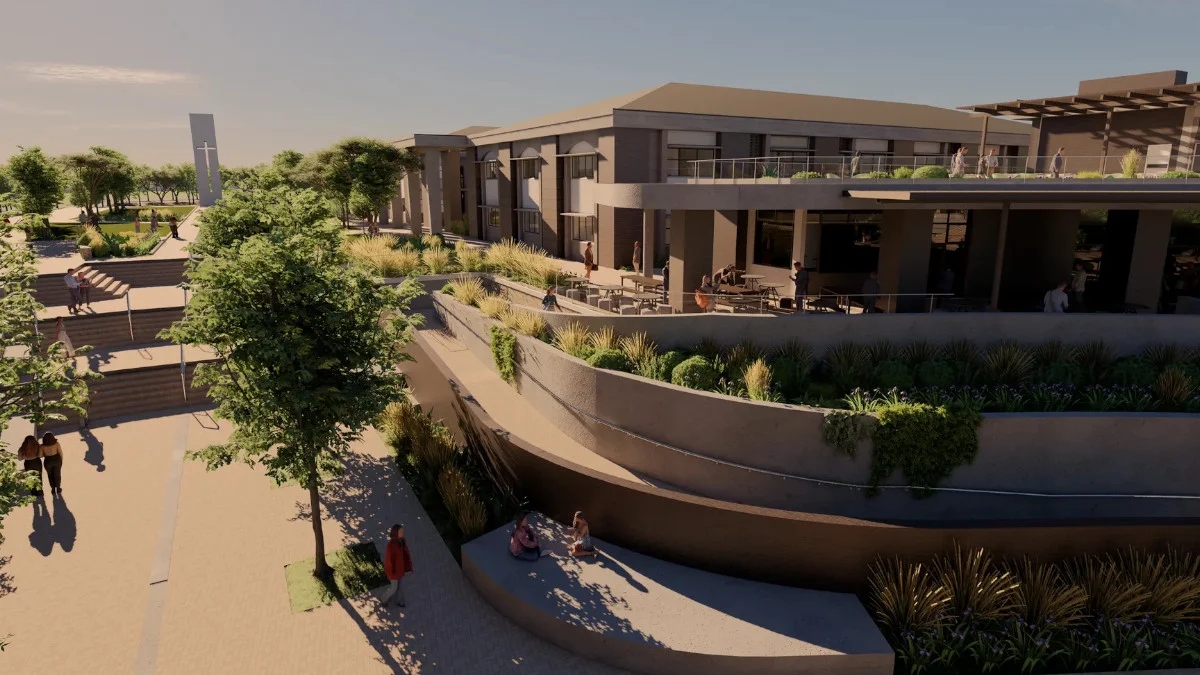
Construction of Akademia’s new R3.2 billion Christian Afrikaans university in Pretoria started in January 2026, promising to become a world-class institution.
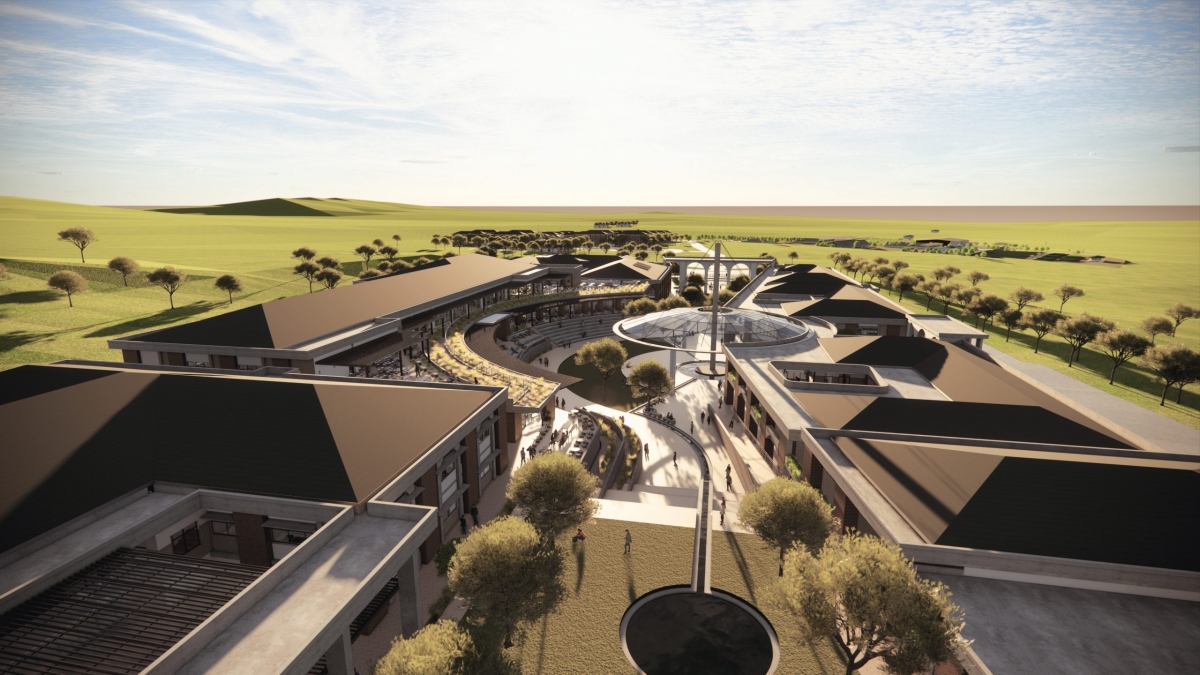
The new campus is located on a 220-hectare site in Mooiplaats, situated on Boschkop Road, roughly 8 kilometers from Solomon Mahlangu Drive.
The new Akademia campus is designed to house 5,000 undergraduate and 1,500 postgraduate students.
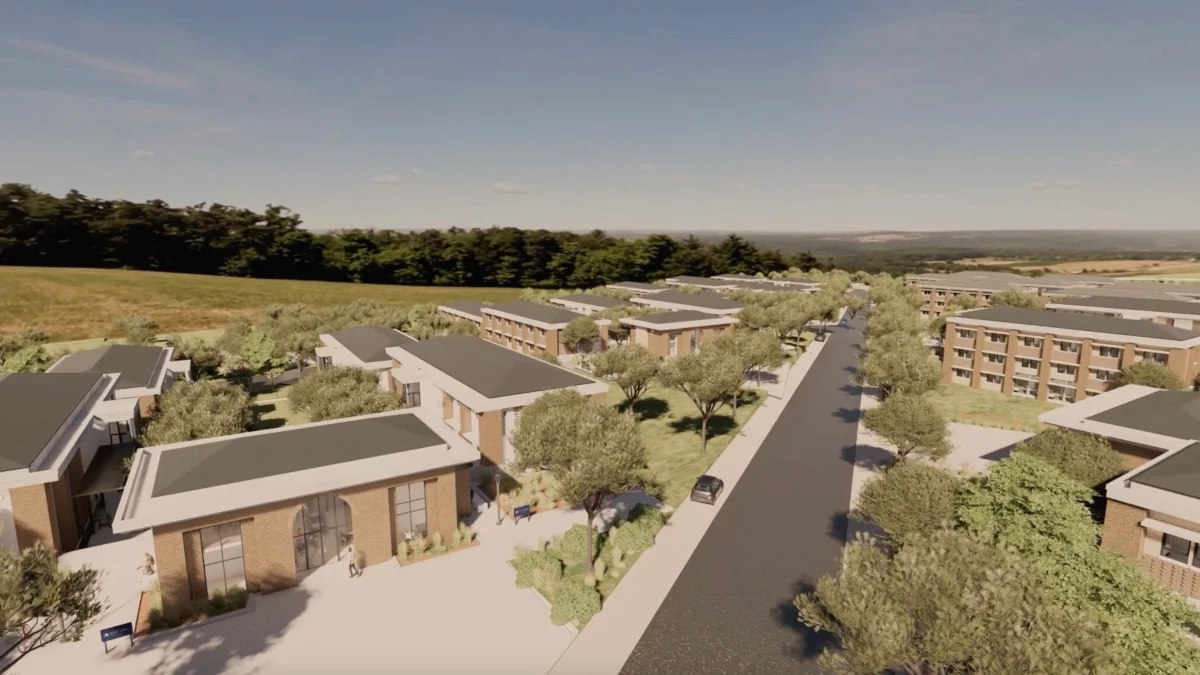
It will feature a 2,500-square-metre student centre as the campus’s social hub and include residences for about 750 students.
The campus residences will later be expanded to accommodate 1,500 students to meet anticipated demand.
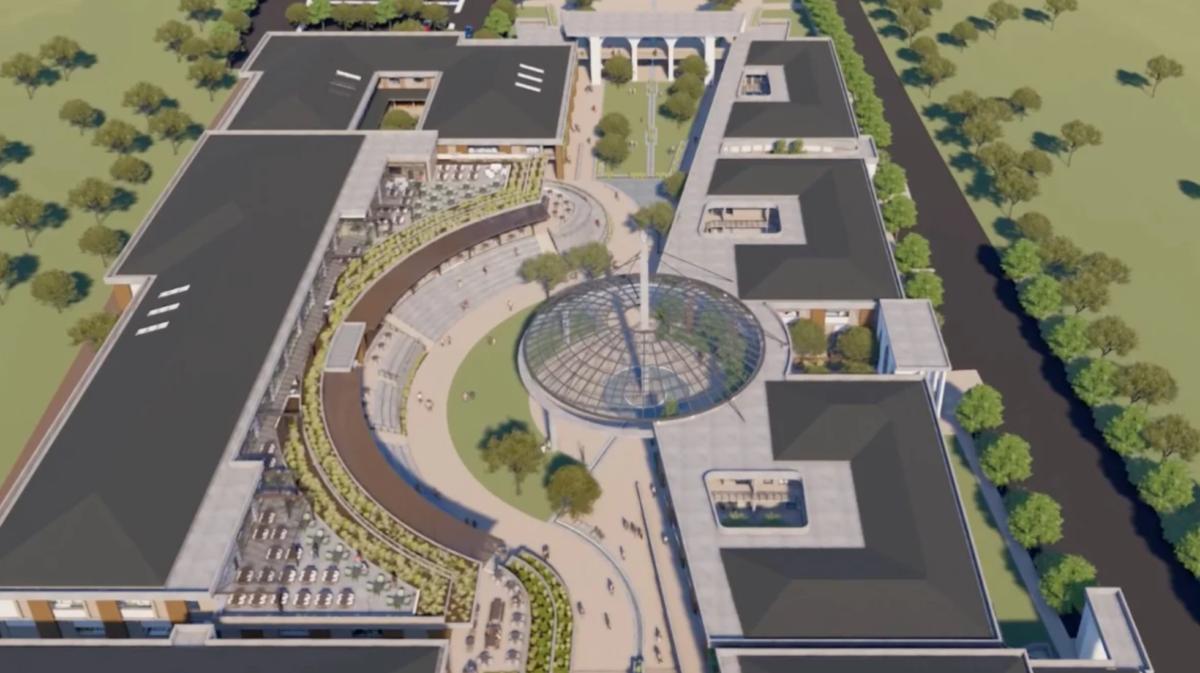
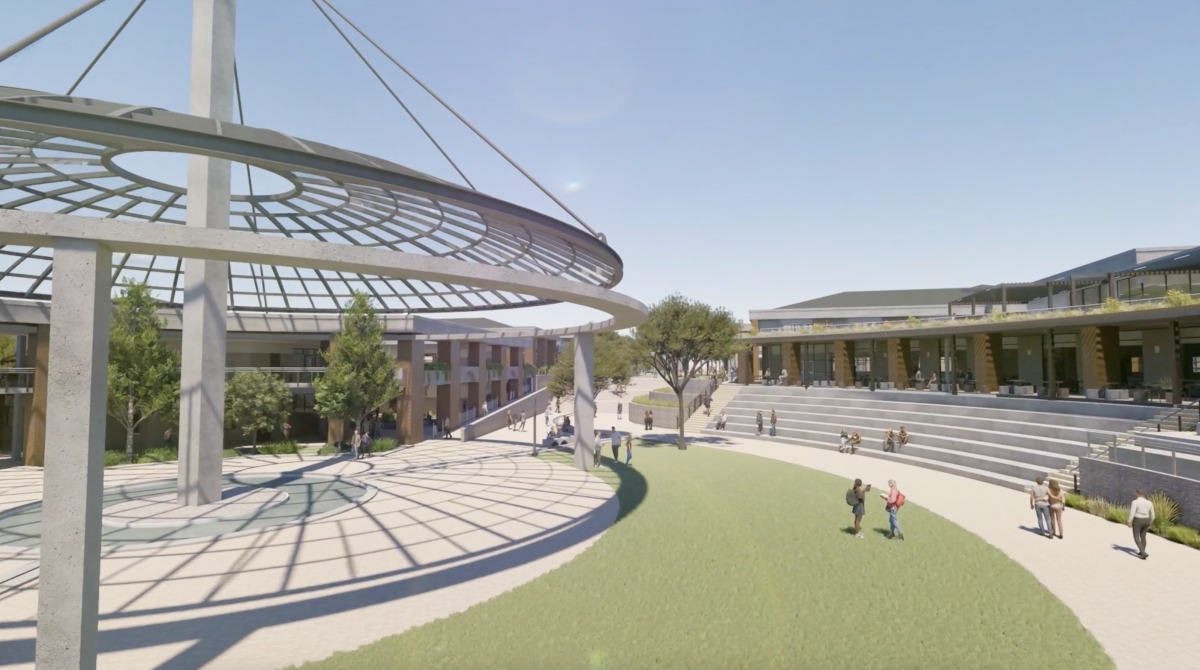
The Akademia campus will also have an amphitheatre with a capacity for 1,500 people as a cultural and gathering space.
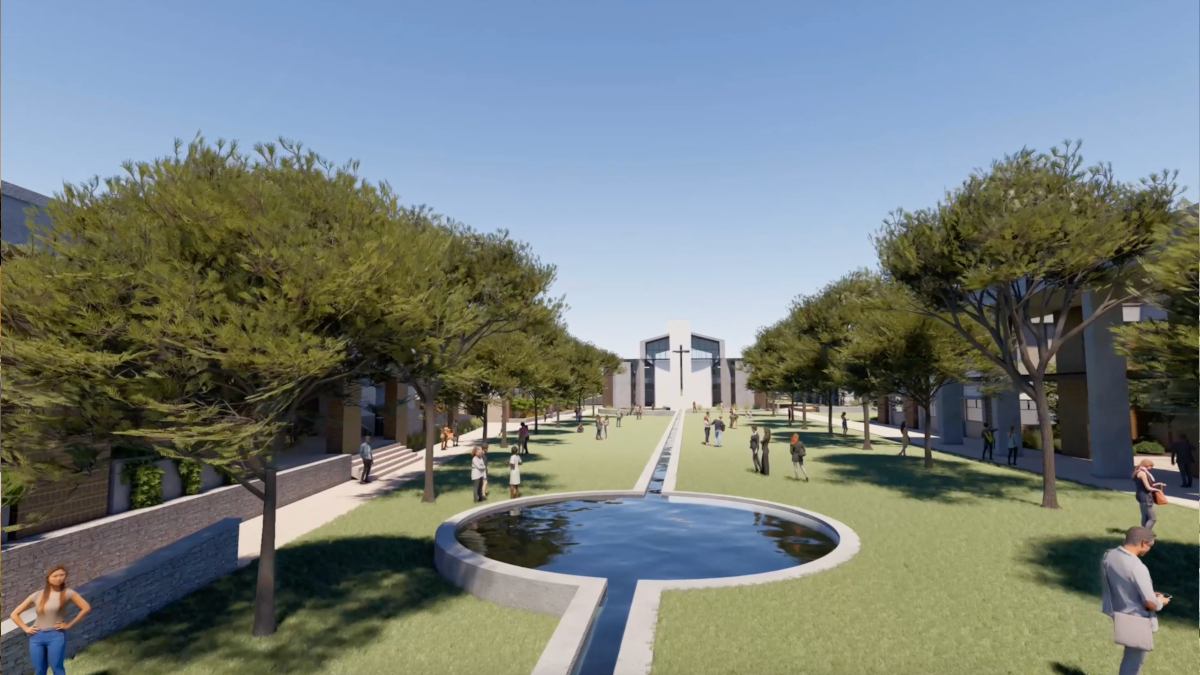
As a Christian university, there will be a chapel in the centre of the campus, surrounded by water canals and gardens.
It will also feature an impressive dome structure of glass and steel, which is 20 meters high and 32 meters in diameter.
The new facilities will allow Akademia to launch new faculties, including electrical and electronic engineering and medical, starting with nursing and optometry.
The campus is being built to be as self-reliant as possible, featuring over 19 million liters of water storage and extensive independent utility networks.
The project is the largest of its kind in the history of Afrikaans-language and cultural communities in higher education.
The new Akademia campus in Pretoria East is being co-developed by the Solidarity Movement, in partnership with Kanton.
Solidarity said the campus is the next step in Akademia’s expansion in South Africa, following the opening of its latest full-time campus in Paarl in 2025.
New Akademia campus built without any government money

Henk Schalekamp, the chief executive of Kanton, which is developing the project, shed light on its scale and funding.
Schalekamp told Ernst van Zyl that the funding for the new R3.2 billion Akademia campus is built on a partnership between culture and capital.
Academia is a non-profit entity and does not receive any government subsidies. This means it had to find another way to build its new campus.
Kanton, a property investment company, raised private capital to build and own the facilities, which it then leases to Akademia at market rates.
Phase one of the project required R1.8 billion in funding, which was raised through equity investors, bank financing, and Kanton itself.
Kanton reinvested income from its existing property portfolio, including Solidarity’s Sol-Tech campus.
The new campus is therefore ultimately funded by Akademia students’ tuition and accommodation fees.
These student fees provide the predictable income needed for the long-term leases, such as the campus.
While the primary infrastructure is commercially funded, non-commercial facilities, like the planned chapel, are funded through Akademia’s endowment fund.
This Akademia’s endowment fund relies on donations from individuals for specific cultural or academic needs.
Schalekamp explained that their financial model allows the Akademia University to remain independent of state funding and demographic engineering.
This funding model ensures that capital serves the institution’s cultural mission rather than dictating its ideology.
New Akademia campus








 Loading ...
It is never healthy behavior to boast excessively and be condescending to others.
This is unfortunately noticeable in some, if not most, comments.
It will be more meaningful to encourage other cultures to also be supportive of their own communities in terms of education.
Good and sound teaching is crucial for progress in all cultures.