
Home Affairs office a total mess


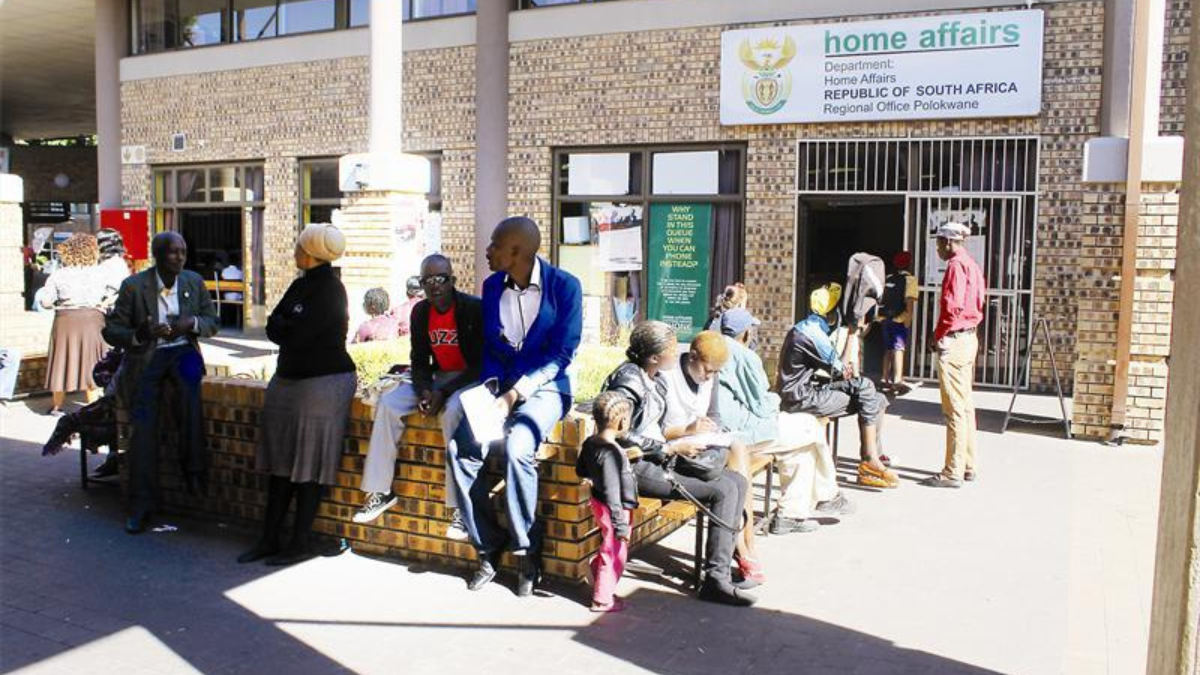
Following an oversight visit to the Polokwane and Lebowakgomo Department of Home Affairs (DHA) offices, Parliament’s Portfolio Committee on Home Affairs has raised alarm over crippling staff shortages and deteriorating infrastructure in Limpopo.
In a statement, the Committee said it was deeply concerned by “critical failures” at DHA offices in the province, warning that persistent infrastructure problems are undermining service delivery and slowing operations.
The Committee also flagged severe staffing constraints, with some offices reportedly functioning at just 40% capacity — a situation it says is creating major bottlenecks and leaving the public to bear the brunt of delays and poor service.
Operational bottlenecks are symptomised by long queues, extended waiting times, and staff burnout.
A high workload due to staff shortages has led to staff overstretching themselves to meet their constitutional responsibility to provide public services.
Vacancy rates are increasing due to broad fiscal cuts and budget challenges from government departments.
Committee Chairperson, Mr Mosa Chabane, said that “The vacancy rate which arises from the inadequate budget is unacceptable and calls for immediate intervention.
System failures exacerbate poor service delivery. During the oversight visit at the Polokwane offices, it was noted that learners arriving at 07:00 were only assisted until 13:00.
The technology downtime concerned the Committee and further heightened dissatisfaction. According to them, persistent IT challenges diminish the DHA’s capacity.
Frequent and prolonged network failures have led to nationwide shutdowns in the past. The reliance on outdated systems makes it impossible for offices to handle large transaction volumes.
Despite apparent flaws in the DHA offices, the Committee were satisfied with the new offices in Polokwane.
The new buildings form part of a nationwide R2 billion infrastructure project, focused on improvement and expansion.
The new layouts ensure adequate space for quality service and prioritise client comfort through sufficient seating and shelter.
Shocking conditions

The lack of air conditioning does not meet the occupational health and safety standards expected in government buildings.
The Environmental Regulations for Workplaces stipulate that air conditioning should be installed in government buildings to ensure air quality and thermal comfort and reduce health risks.
“It is unacceptable that people are subjected to such conditions, which make a visit to the DHA dreadful,” said Chabane.
The Committee raised concern over the lack of maintenance services from the Department of Public Works and Infrastructure (DPWI).
The office’s poor work environment is attributed to caving ceilings and broken bathroom facilities.
The Committee views the condition of the offices as urgent and emphasises the critical need for focused commitment from both the DPWI and the DHA to engage and develop solutions.
The DHA must collaborate with key stakeholders to issue a reminder to communities about collecting their documents from DHA offices. The large volume of uncollected documents remains a significant concern.
The committee also urged the DHA to address internal issues, specifically staff shortages and IT downtime, as critical steps toward ensuring the delivery of quality services.
Despite these prevailing challenges, the committee commended the staff’s enthusiasm and commitment to serving the public.
The conditions of the Limpopo offices are not an isolated problem. Several offices frequently flag parliamentary reports, news investigations, and public comments.
Occurring problems include IT problems, poor working conditions, staff shortages, and severe underfunding.
The Minister of Home Affairs, Leon Schreiber, said that he has actively addressed the poor conditions of Home Affairs offices, including Limpopo.
In a media statement from January 2026, Schreiber emphasised the need for a transition from the offices’ outdated and unsuitable facilities to a modern, well-equipped environment.
“This move forms part of a broader reform programme to deliver dignity for all by ensuring that Home Affairs services are provided in environments that are safe, professional and worthy of the people we serve,” he said.
Schreiber revealed that 101 of 348 existing Home Affairs offices nationwide still do not have the capability to issue Smart IDs and continue issuing the Green ID Book.
During the Budget Vote Speech in July 2025 for 2026 reforms, Schreiber argued that if the department had to wait for funding to modernise offices, the change would never come.
A comment was sought from Malatswa Molepo, communications and media professional for the Parliamentary Communication Services, and, Thilivhali Muavha, spokesperson for the Premier of Limpopo.
They could not be reached before the publication deadline.
- By Zané Steyn for Newsday.







 Loading ...
So is SASSA! Spent yesterday there from 07:30 – 16:30 just to change having my SASSA monues to be transferred into my banking acc. The staff surely the rudest of all the state departments ever visited. Treated like a pheasant!