
Over 80% of Graaff-Reinet residents didn’t want name change


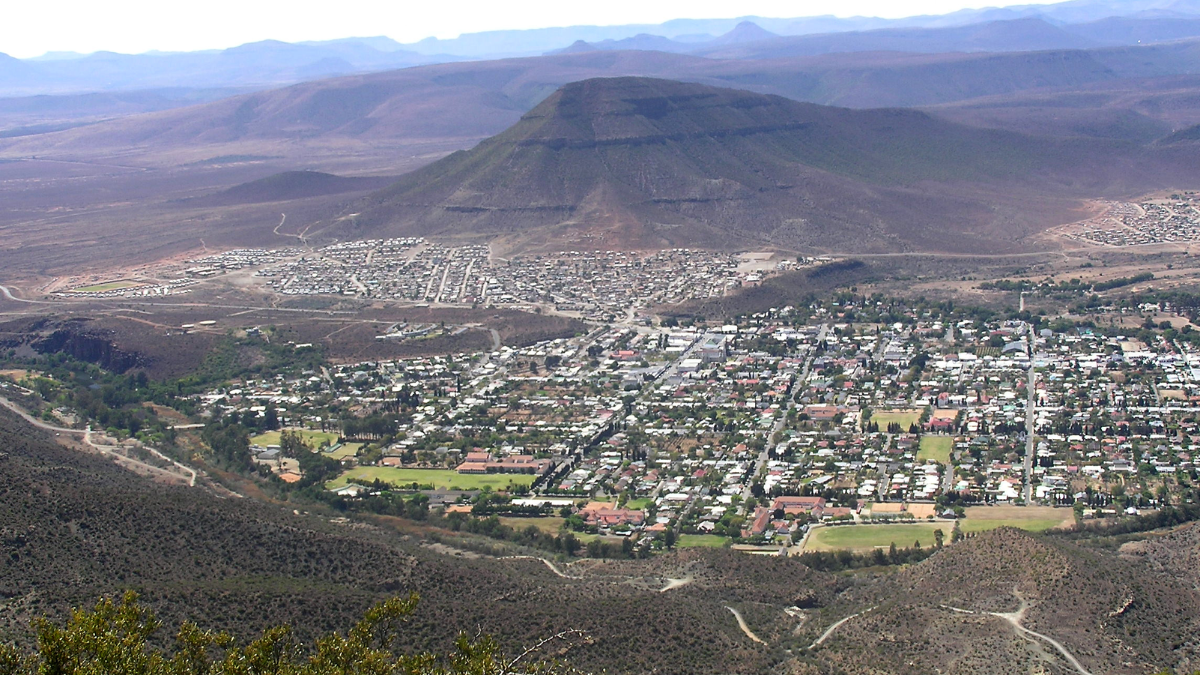
A study conducted in 2024 in the town of Graaff-Reinet found that the vast majority, 83.6%, of residents did not want the name to change.
Minister of Sports, Arts and Culture, Gayton McKenzie, recently signed off on the change of 21 South African place names, including changing the town name Graaff-Reinet to Robert Sobukwe Town and East London to Kugompo City.
He also approved changing Aberdeen to Xamdeboo, Adendorp to KwaMseki Bishop Limba and Nieu-Bethesda to Kwa Noheleni.
This followed recommendations from the South African Geographical Names Council (SAGNC).
According to the Ministry, the changes are part of efforts to transform South Africa’s naming landscape, promote social cohesion, and recognise diverse heritage by moving away from colonial-era names.
The name change to Robert Sobukwe Town has been in the pipeline for years. However, according to a quantitative study conducted by University of Stellenbosch Professor Ronnie Donaldson, residents across communities did not support the change.
The study, ‘If you name a child then change the name, it is someone else’; opinions of Graaff-Reinet residents on the proposed name change of their town to Robert Mangaliso Sobukwe, from 2024, shows that the Minister acted without town support.
Donaldson’s research consists of interviews with 367 respondents in the town, 18,8% identified as white, 27.2% identified as black and 54% identified as coloured.
The study aimed to capture the diversity of the Graaff Reinet community.
The population was divided into three subgroups based on the legacy of the apartheid-era areas act, which continues to roughly divide the town into racial communities, black, white and coloured.
The researcher determined that a random sample of 367 interviews would achieve a 95% confidence level with a 5% margin of error.
Residents were given a questionnaire to share their opinion on whether the name Graaff-Reinet should change to Robert Sobukwe or not, and why.
It was found that the majority of residents were aware of the name change in 2024.
Diverse racial communities unite against name change

Donaldson said that, based on previous studies, it was anticipated that the white community would be resistant to the change, as has been seen in other studies on Tshwane, when the name changed from Pretoria.
“In contrast to findings in studies on name changes in Tshwane, where residents’ perceptions in the City of Tshwane are still influenced by race – whites perceiving no need for renaming, while blacks believe the process is necessary and long overdue,” he writes.
“This dynamic appears not to be the case in Graaff-Reinet.”
Donaldson, in referencing previous research, noted that perspectives on name changes unavoidably mirror South Africa’s racial divisions, with black respondents saying name changes reaffirm their identity and integrate historically marginalised narratives, and white respondents arguing that it erases history.
However, in Graaff-Reinet, there was no such finding. “A significant majority of respondents (83.6%) expressed the opinion that the name should not change. Even when cross-tabulated with the three sampling strata.”
The research found that black respondents were, however, the most undecided on the issue, with 13% saying they were unsure.
Additionally, 32% of the respondents from the township area said that the name should change, which, although far from the majority, was the highest percentage of all the racial groups.
Donaldson said it is interesting to note that “since the 1960s, many Xhosa-speaking residents elected to use the word ‘Irafhu’, a phonetic rendition of the word Graaff-Reinet.”
Highlighting the reasons for the opposition to the name change, Donaldson relays responses from residents.
‘If you name a child, then change the name, it is someone else’
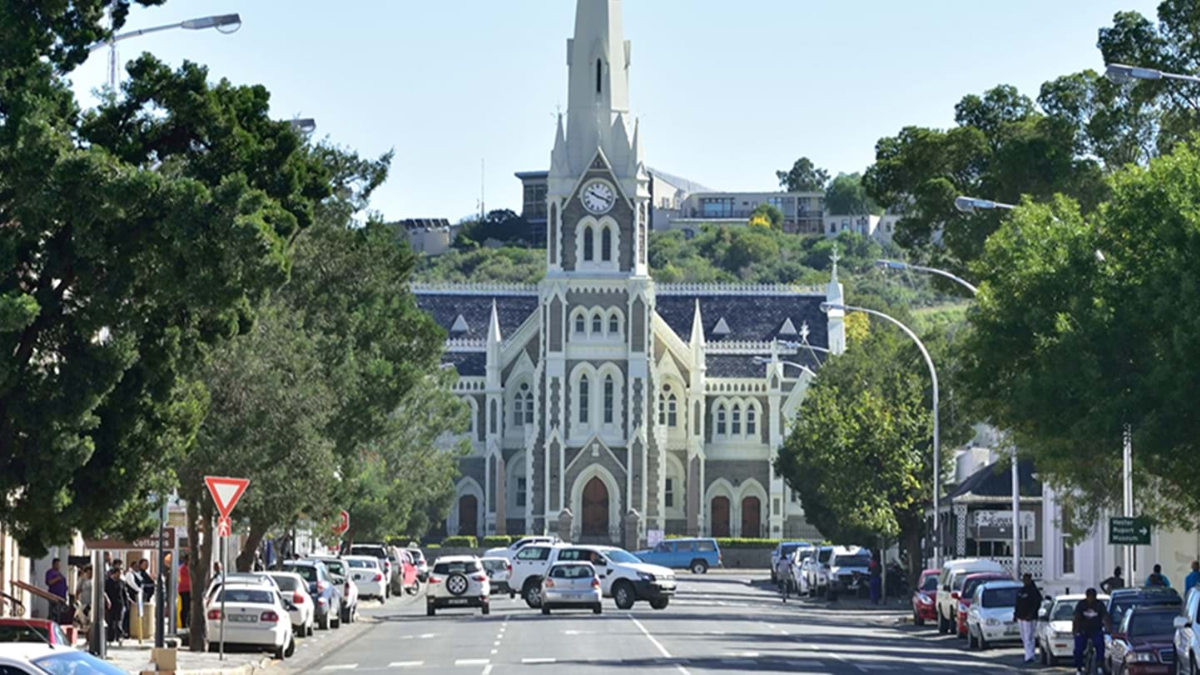
One such resident from the former coloured group area said, “I grew up with the name and want my descendants to grow up under the same name.”
A respondent from the township area said, “The name we have represents us as it currently is”, with another adding, “The history of the town revolves around the current name.”
Respondents from the former white group areas said, “the name is historical, not political” and that “you cannot change the past.”
The study also found that the majority of respondents do not know who the town is named after, but most of the residents, 69.8%, said they knew it was named after a man and his wife.
Only 24.6% of respondents had knowledge that Robert Sobukwe had roots in Graaff-Reinet. Sobukwe, political activist and founder of the Pan Africanist Congress, was born in the town in December 1924.
The name Graaff-Reinet dates to 1786 and honours Cornelis Jacob van de Graaff, a Dutch governor of the Cape Colony under the VOC, and his wife, Cornelia Reynet.
In 1795, citizens rid themselves of VOC taxes and established the short-lived Republic of Graaff-Reinet. Much later, in the 1830s, Graaff-Reinet was also the point of departure for the Great Trek.
Overall, respondents support the historical, cultural and linguistic heritage embedded in the name. “Graaff-Reinet demonstrates a notable cross-race resistance to name changes,” the study concludes.
This aligns with statements made by McKenzie, who said in 2024 that he rejected the original name change application, saying there was insufficient evidence that the public had been considered, according to the Democratic Alliance.
Following the gazetting of the name changes, there is a one-month period during which formal objections can be submitted before the change is official.










 Loading ...
“83.6%, of residents did not want the name to change.
Minister of Sports, Arts and Culture, Gayton McKenzie, recently signed off on the change”
RSA Democracy in action folks.
What an absolutely ridiculous name.