
Top South African sports facility has been abandoned for decades


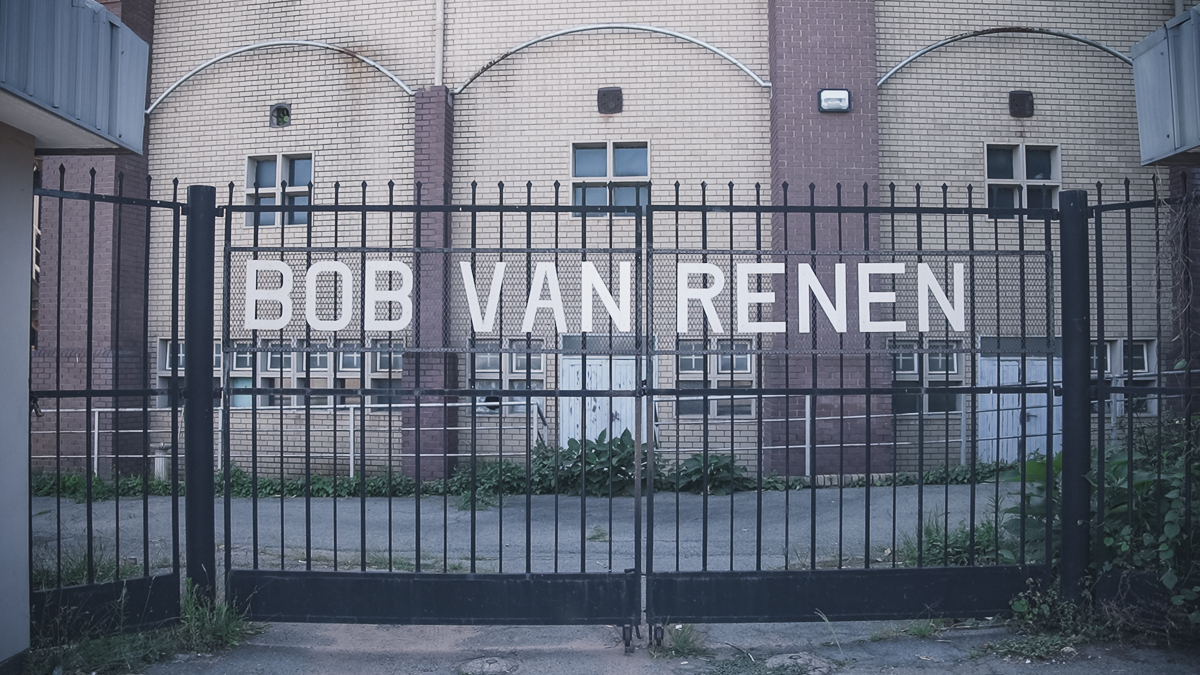
For the residents of Krugersdorp, the silence at the Bob Van Reenen Stadium is louder than the cheers that once filled it.
Despite a specific pledge by Mogale City’s Executive Mayor, Lucky Sele, to see the “full reopening of the stadium by January 2026,” the deadline has passed.
As of February 2026, the facility remains a landscape of ruin, scepticism, and decay.
Once known as the “diamond of Krugersdorp,” the stadium has been closed to the public since 2005.
What was intended to be a temporary closure for upgrades has mutated into a two-decade saga of alleged corruption, financial mismanagement, and administrative apathy.
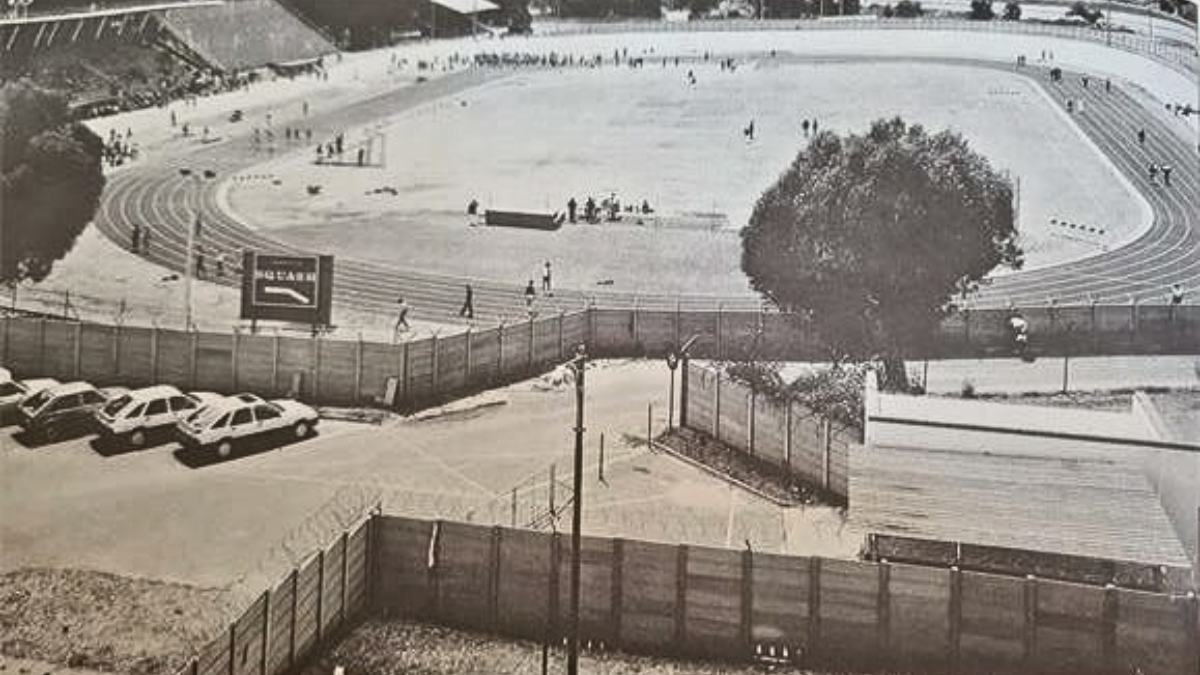
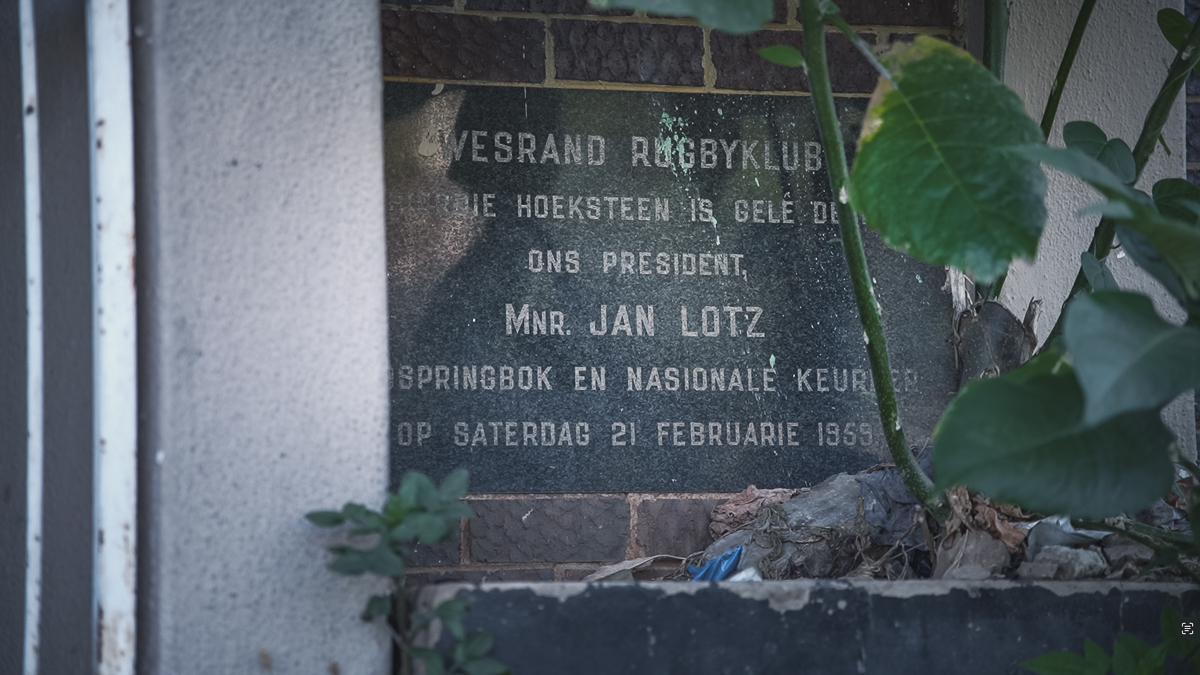
The tragedy of Bob Van Reenen is magnified by its history. Rooted in the late 1940s, the complex was once the heartbeat of the West Rand, hosting rugby, athletics, cycling, and boxing.
It was a venue of international calibre; in 1968, sprinting legend Paul Nash equalled the 100-meter world record on its Olympic-approved track.
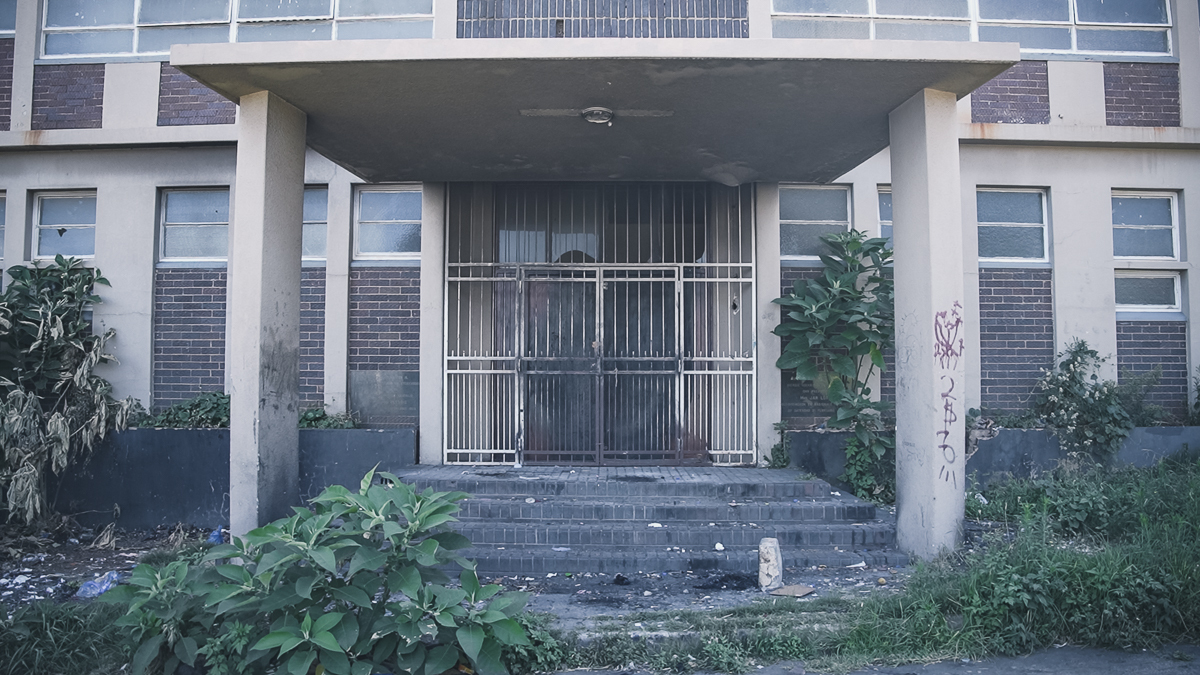
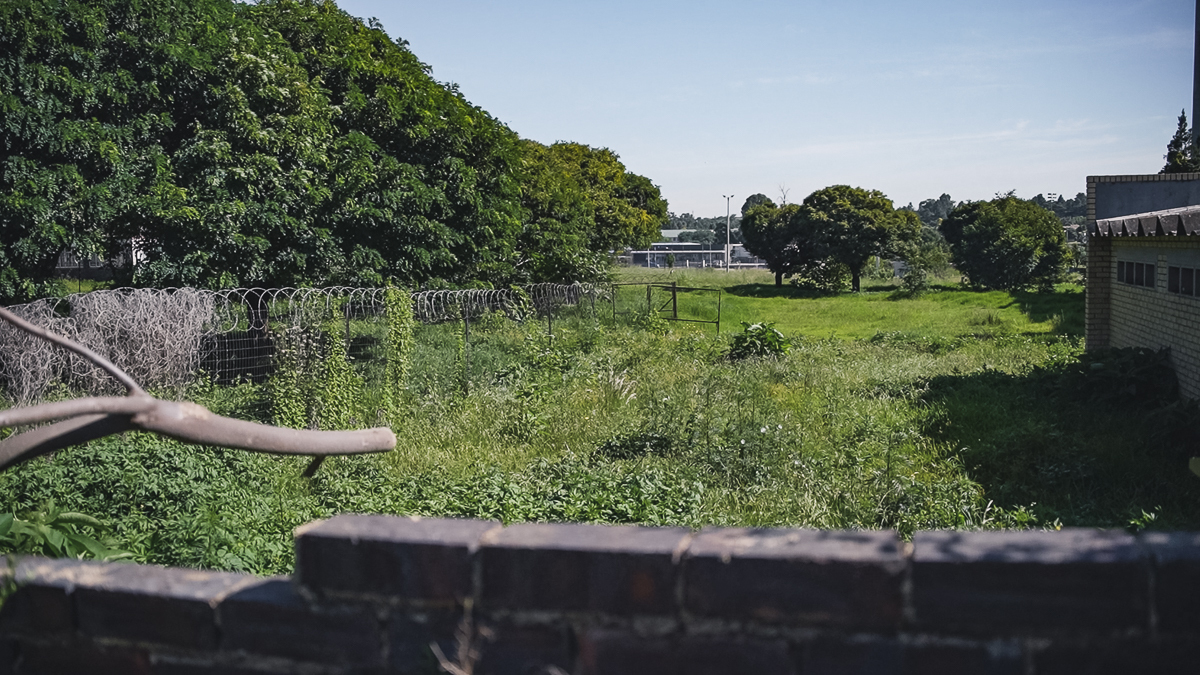
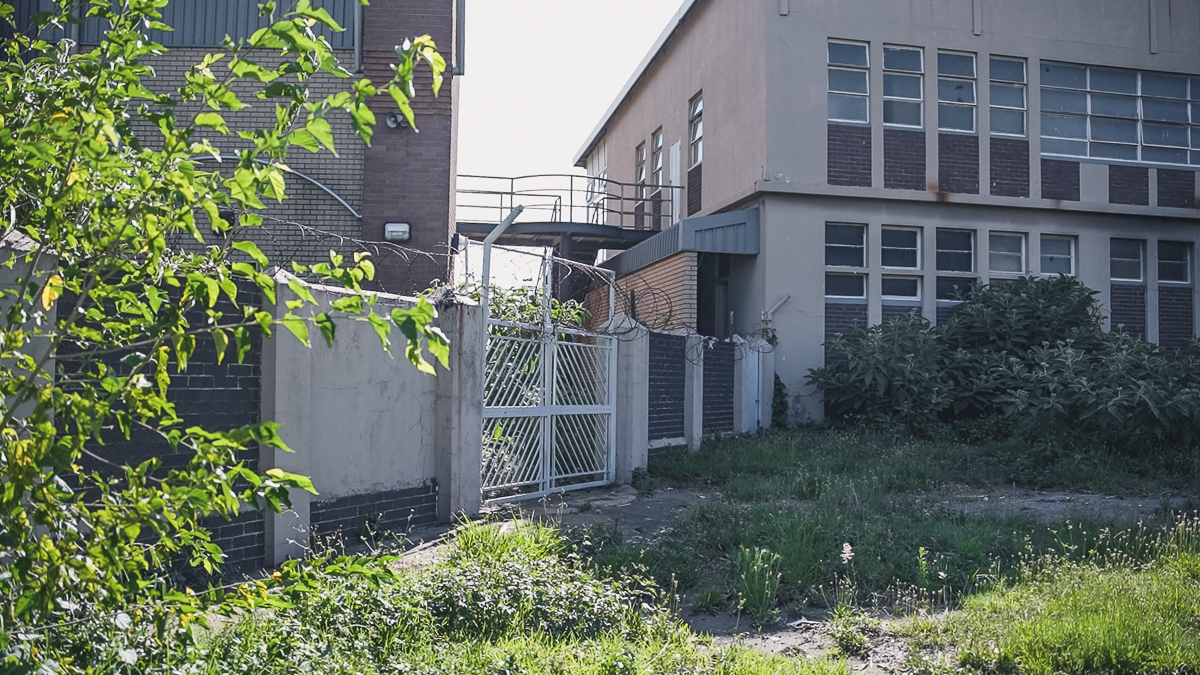
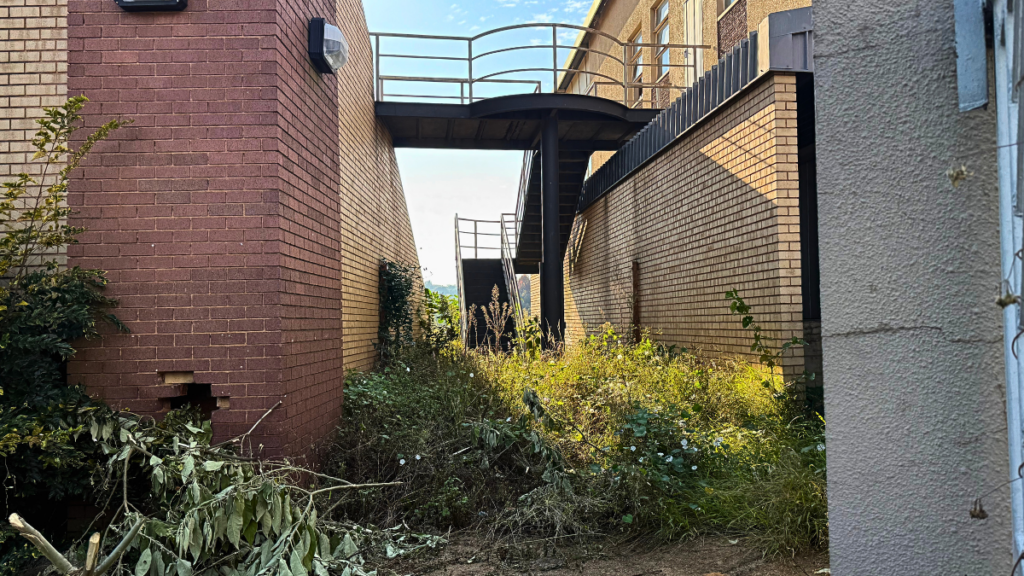
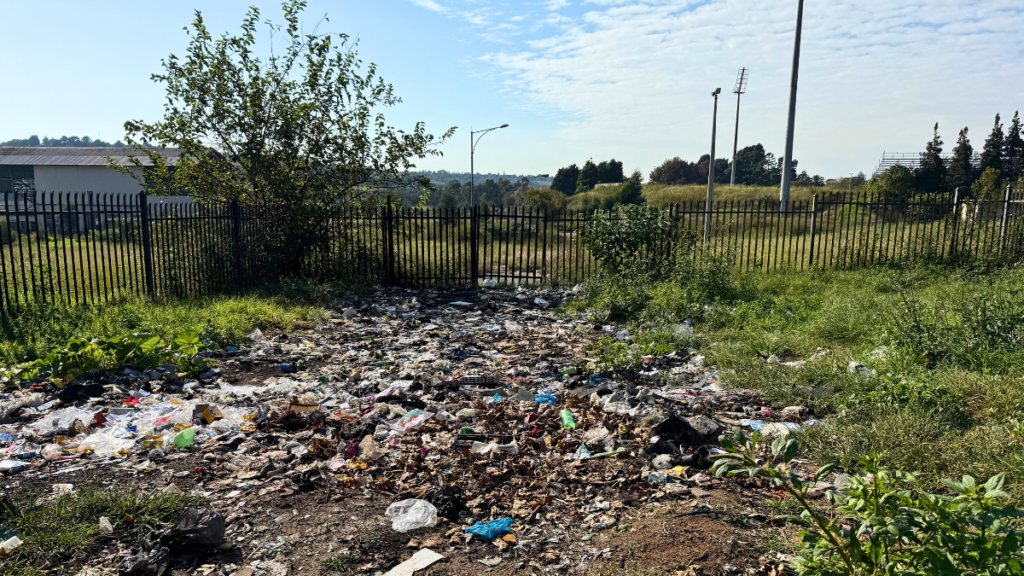
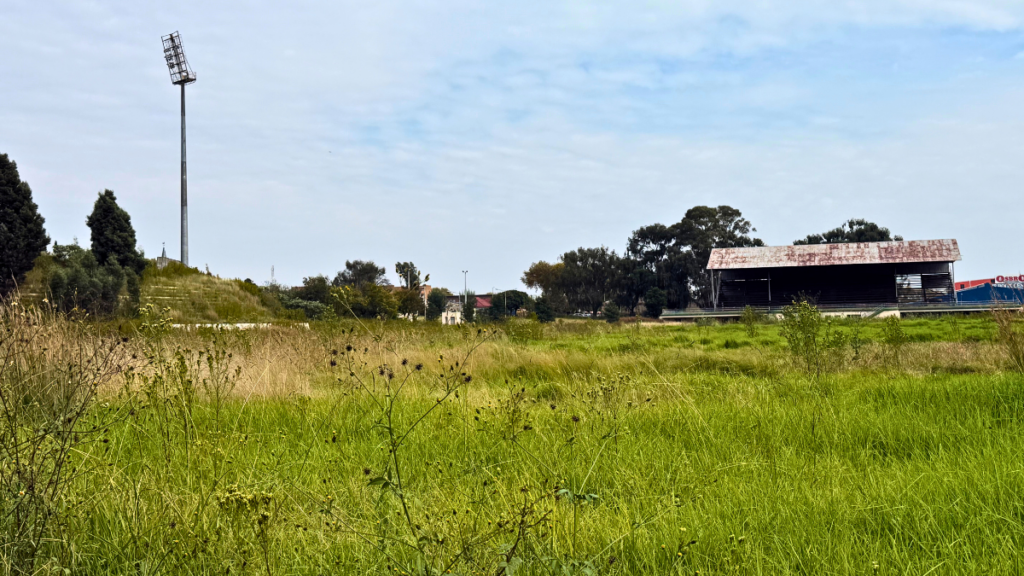
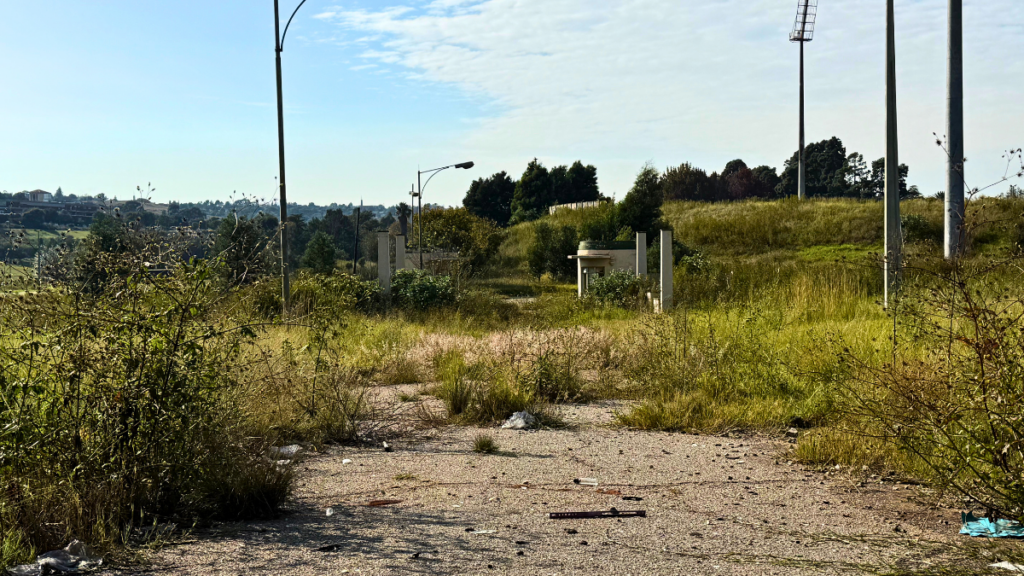
However, recent site visits from Newsday journalists paint a grim picture of this former heritage site.
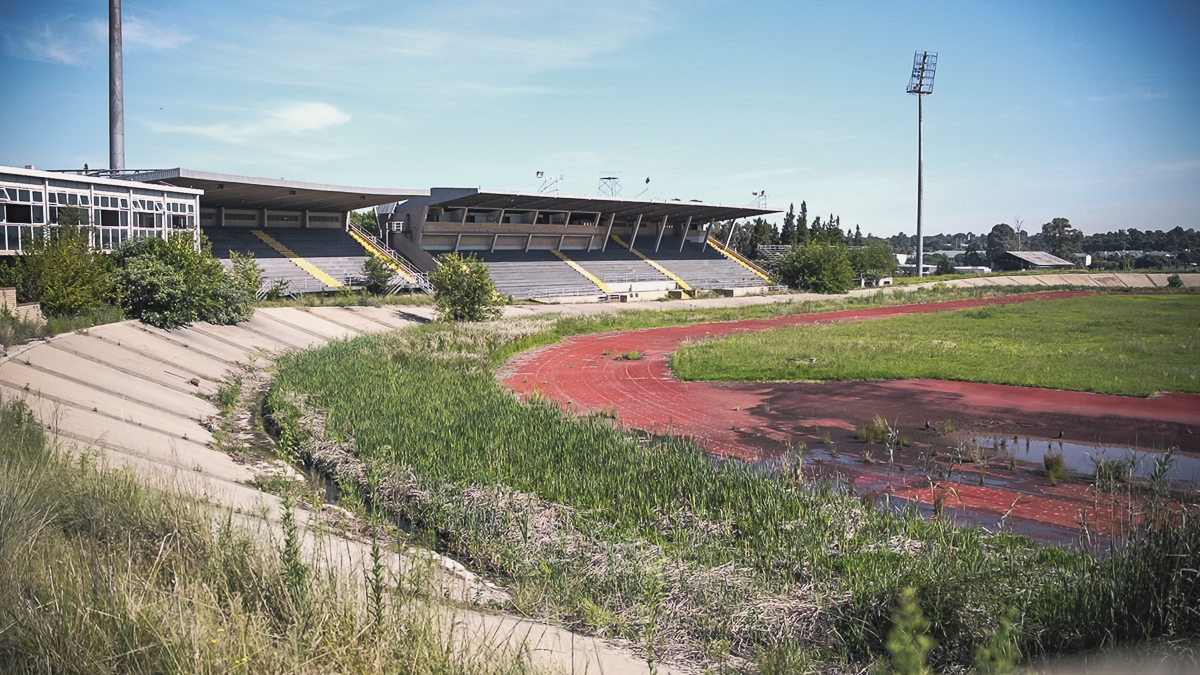
The destruction was compounded in July 2025, when a fire broke out at the stadium, threatening the tartan track and drawing condemnation from provincial oversight committees, who described the infrastructure’s regression as “truly shameful”.
By 2026, the Olympic-standard athletics track is described as a “waterlogged mess” nested by cranes, while the rugby and cricket fields resembled a “savannah” of overgrown vegetation.
The “Amakhosi” Phantom
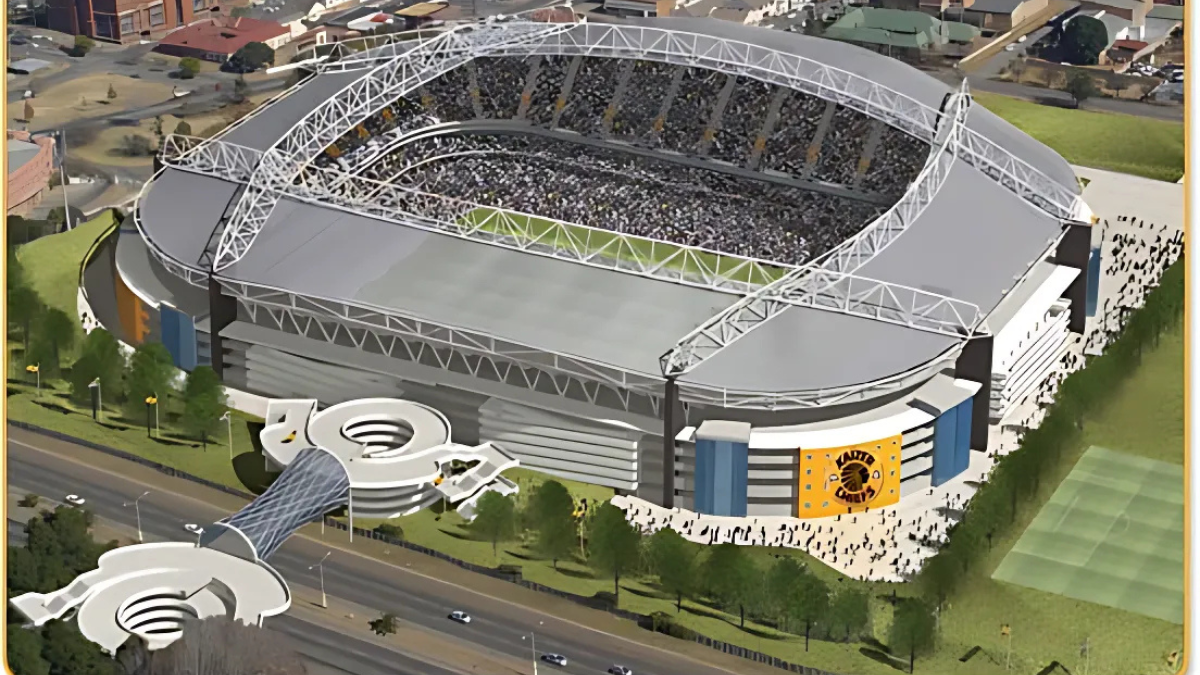
The stadium’s downfall began with an ambitious but ill-fated plan in the early 2000s.
The Mogale City Municipality, Kaizer Chiefs Football Club, and project developer Lefika Emerging Equity entered a 99-year lease to create the “Amakhosi Stadium”.
The proposal was grand: a R695 million, 55,000-seater stadium complete with a sports hotel and shopping centre.
However, the project was riddled with issues:
- Tender Controversies: Lefika, led by figures including Bobby Motaung, faced allegations of tender fraud regarding a separate stadium contract, though charges were later dropped.
- Funding Failures: Developers failed to raise the necessary capital. Costs ballooned to R1.2 billion to meet FIFA standards for the 2010 World Cup, then were scaled back, yet construction never began.
- Destruction without Construction: While existing facilities were bulldozed or users chased away to make room for the upgrade, “no bricks were laid”.
The financial black hole
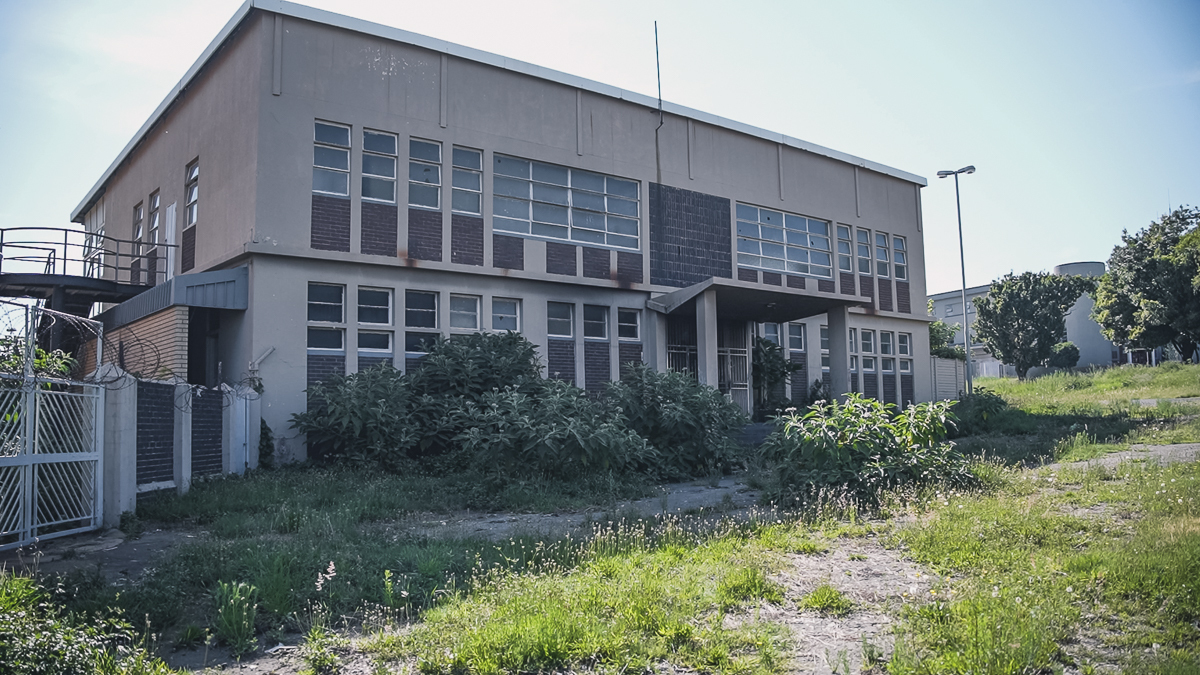
Following the collapse of the Kaizer Chiefs deal, the stadium fell into a bureaucratic void between the Mogale City Municipality and the Gauteng Provincial Government.
Between 2013 and 2015, millions were allocated for renovations that yielded little visible result.
- Provincial Allocations: The Gauteng Department of Sport, Arts, Culture and Recreation received allocations of R10 million and R20 million in consecutive years to restore the facility.
- Irregular Expenditure: The Auditor-General flagged massive irregularities in 2015. One contractor was paid R9.8 million for a job the AG noted should have taken two weeks. Another received nearly R20 million for a geotechnical report that could not be found.
Despite these expenditures, Mogale City spokespersons have claimed the municipality received no funding transfer from the province, leaving the local government unable to proceed due to a “lack of available funding”.
The January 2026 deadline
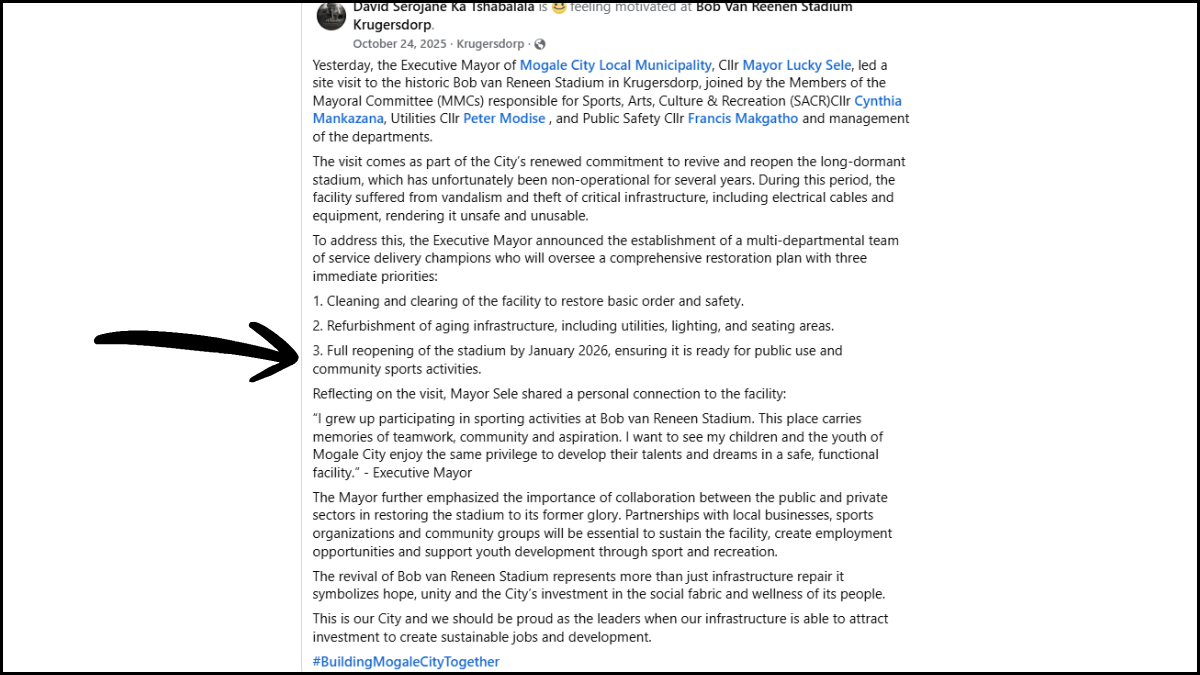
Hopes were briefly rekindled ahead of 2026. Executive Mayor Lucky Sele, citing his own childhood memories of playing at the stadium, led a site visit and announced a “comprehensive restoration plan”.
“I grew up participating in sporting activities at Bob van Reneen Stadium. This place carries memories of teamwork, community and aspiration,” said Sele.
“I want to see my children and the youth of Mogale City enjoy the same privilege to develop their talents and dreams in a safe, functional facility.”
The Mayor’s office outlined three priorities:
- Cleaning and clearing the facility.
- Refurbishing utilities and seating.
- “Full reopening of the stadium by January 2026”.
Sele pinned hopes on Public-Private Partnerships (PPPs) to unlock investment and revive the precinct.
In a media response in late January, the Mogale City Local Municipality referred to the “Old Stadium site” as a strategic “anchor” for the northern section of the CBD.
The site is highlighted as part of the “Krugersdorp CBD Precinct Plan,” approved in 2017, which aims to regenerate the inner city into a “vibrant regional node” alongside other key facilities like the Civic Centre and Taxi Rank.
The municipality positioned the stadium as a geographic component of their broader vision to attract private investment and reverse the CBD’s decline.
However, as of February 9, 2026, while the Mayor continues to highlight revitalisation plans in his State of the City Address, residents have seen this movie before.
The deadline has passed, and the facility remains closed. Residents have expressed deep cynicism, with social media commentary reflecting a belief that officials “refused” to sell the stadium previously because they “wanted to fill their pockets”.
The cost of this neglect extends beyond financial waste. The abandonment of Bob Van Reenen has devastated the local social fabric.
- Security risk: The stadium has become a hotspot for vandalism and theft, stripped of electrical cables and equipment.
- Economic impact: The decay has negatively impacted local businesses and youth development, with the community losing a central hub for sports and culture.
As DA Ward Councillor Mark Trump noted, the stadium is “more than just municipal infrastructure… It’s a community treasure”.
Yet, twenty years after its gates first closed for “upgrades,” the Diamond of Krugersdorp remains in the rough, a monument to broken promises, overrun by weeds and missed deadlines.
WATCH: The crown jewel of Krugersdorp is now a dilapidated mess





 Loading ...
Eish. Can’t you see it has the wrong name.