
MP slams bureaucratic ‘lethargy’ as FMD ravages South African farms


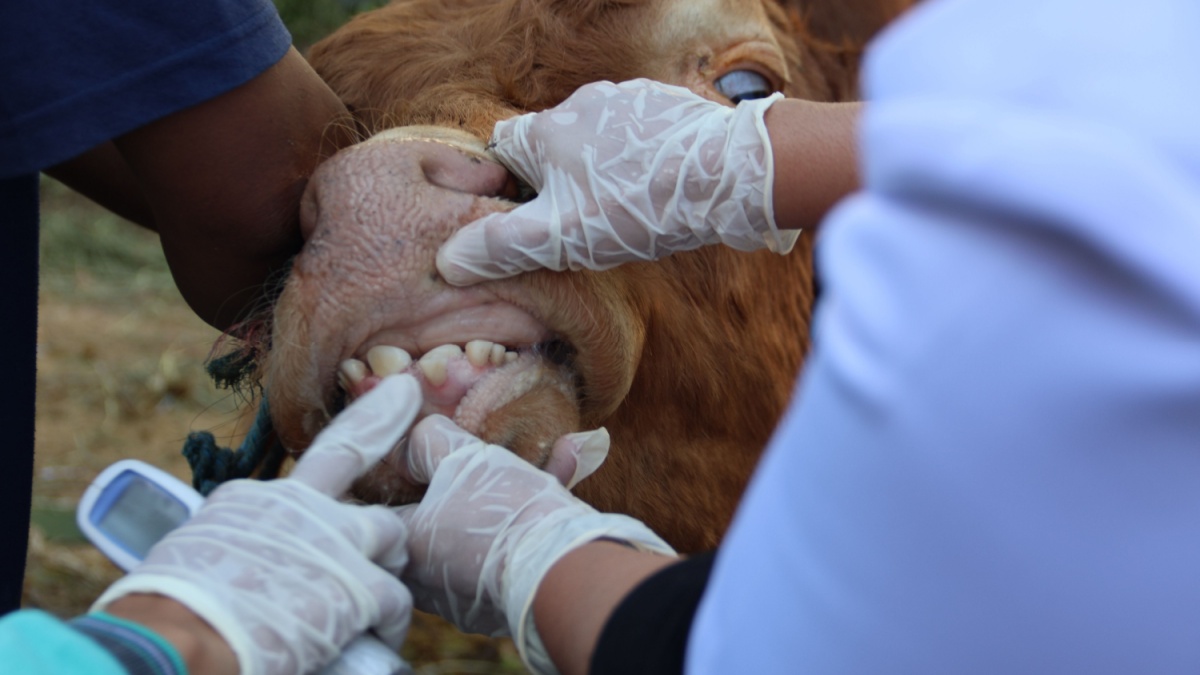
In a scathing critique of the Department of Agriculture’s handling of South Africa’s Foot and Mouth Disease (FMD) crisis, ActionSA MP Athol Trollip lamented the government’s centralised control of the outbreak.
In a wide-ranging interview with Newsday, Trollip argued that distant bureaucrats lack the urgency required to save the agricultural sector.
FMD is a highly contagious viral disease affecting cloven-hoofed animals (cattle, sheep, pigs, goats) that causes blisters, fever, and lameness, causing major agricultural economic damage.
The long-term origin of the current instability began in January 2019, when South Africa lost its official “FMD-free zone without vaccination” status from the World Organisation for Animal Health (WOAH).
This happened after an outbreak in the Vhembe District of Limpopo. Once this status was lost, the country’s ability to export meat was crippled, and the virus began to circulate more persistently outside the traditional red-line zones.
Then, an outbreak hit KwaZulu-Natal and, in 2021, it evolved from a localised incident into a full-scale national emergency affecting eight of the country’s nine provinces by early 2026.
Driven by three viral strains and biosecurity lapses, this surge caused a rise in meat prices and halted international exports.
To recover the R80 billion industry, the government launched a 2026 eradication strategy involving mass vaccinations and digital livestock tracking.
However, Trollip argued that the government’s insistence that FMD is a strictly state-controlled disease has hamstrung the response to what is now the worst recorded outbreak in the country’s history.
Bureaucrats aren’t farmers

He drew a sharp distinction between the motivations of state officials and the farmers facing ruin.
“An official sitting in Pretoria in the Department of Agriculture office… has absolutely no skin in this fight,” Trollip said. “They will get their salary at the end of the month, whether one cow dies or 10,000 cattle die”.
Trollip contrasted this bureaucratic apathy with the visceral reality on the ground, asking who is better suited to fight this “war”: a Pretoria-based official or a farmer whose livelihood is collapsing.
“If you’re a dairy farmer… and your cattle have got mastitis and their udders are bursting… the hoof walls have fallen off… and they are bellowing in pain,” Trollip described, “Who is the most effective frontline soldier to fight in this war?”
Central to Trollip’s critique is the Department’s refusal to allow private veterinarians and farmers to administer vaccines, a policy he branded as “absolutely nonsense.”
He argued that the state’s veterinary services have collapsed and lack the manpower to inoculate the national herd, necessitating a public-private partnership similar to the COVID-19 vaccine rollout.
According to Trollip, the government’s attempt to centralise surveillance ignores the expertise of livestock owners. “Nobody knows how many cattle there are in this country, except the livestock owners,” he said.
“He knows his cattle by name or by colour or by sight,” Trollip explained. “So he inoculates 10, and he will surveil 10… He’s the best person to report to his vet or to a state vet”.
Trollip, a former farmer and executive of the Eastern Cape Agricultural Union, noted that the current approach mirrors the failures in public education, where the state tries to control delivery despite failing to meet standards.
‘A war without ammunition’
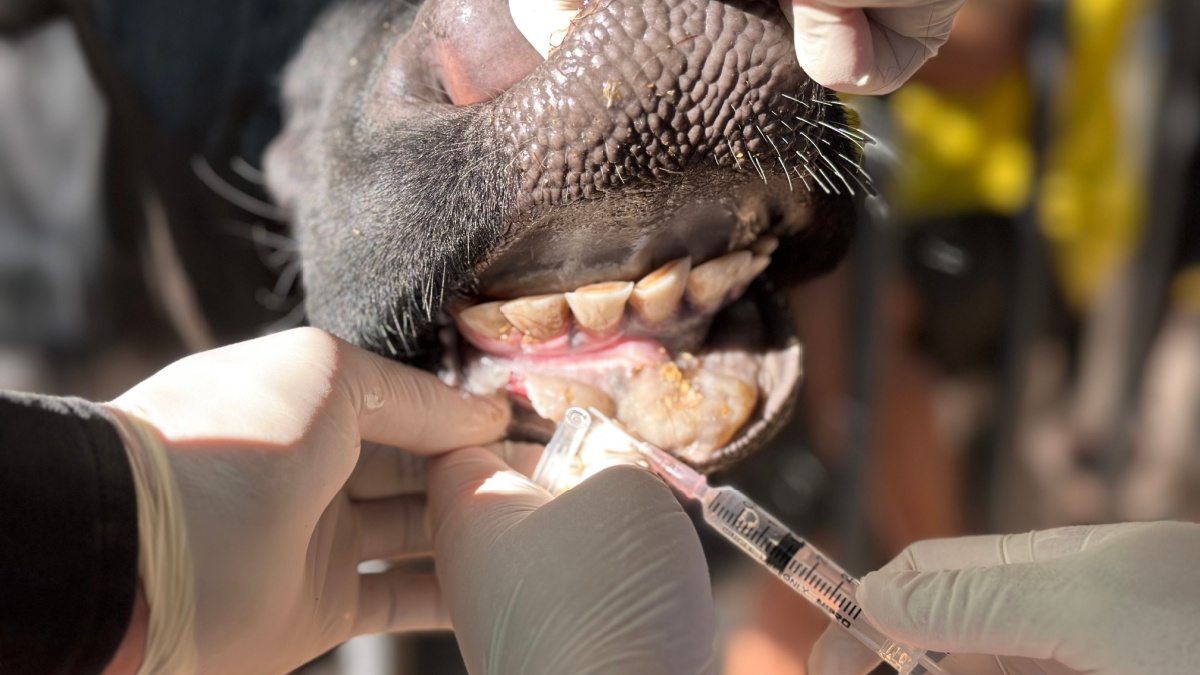
The crisis, which Trollip claims has been allowed to “spread like wildfire” due to a lack of containment strategy since 2021, has been exacerbated by a critical shortage of vaccines.
While the Minister of Agriculture declared “war against foot and mouth disease” on January 14, Trollip noted that the state has failed to secure the necessary tools to fight it.
“To make a declaration of war, the very first thing you have to have is some ammunition, which is vaccines,” Trollip stated. “War was declared. Not a shot has been fired”.
He highlighted a severe lapse in governance, pointing out that R500 million allocated to upgrade the Onderstepoort Biological Products (OBP) vaccine production facility went missing.
Consequently, South Africa is reliant on unreliable imports. While negotiations are reportedly underway with Argentinian suppliers capable of producing 25 million doses a month, Trollip noted that South Africa has yet to receive them.
Instead, the department has relied on limited stock from Botswana, which requires a booster within three months.
Only 285,000 animals were vaccinated during a critical period, a Portfolio Committee on Agriculture heard on 3 February, despite the Minister claiming to have procured 2 million doses.
Call for decentralisation
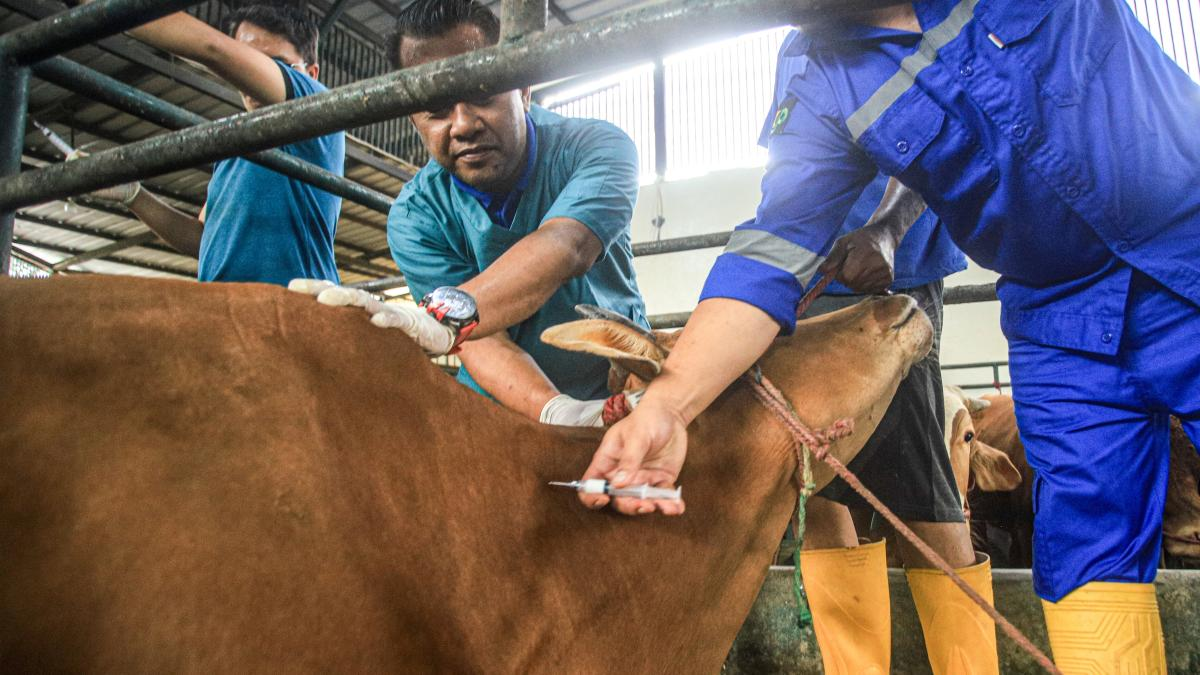
Trollip is calling for an immediate decentralisation of the vaccine rollout.
He proposed that vaccines should be distributed to provincial and regional cold chain facilities, allowing private farmers and veterinarians to sign for and administer the drugs under a barcoded tracking system.
“Agriculture is the only sector that is performing well in South Africa… not because of the government, it’s despite government,” Trollip said.
He warned that without a declaration of a national disaster and immediate deregulation of the vaccine drive, the sector faces devastation.
“Farmers and their livestock are dying for vaccines,” he concluded.
This echoes recent calls from a coalition representing some farmers.
Comprising Sakeliga, the Southern African Agri Institute (SAAI), and Free State Agriculture, the coalition has launched litigation against the Minister to set aside the prohibition on private vaccinations.
The legal challenge is rooted in the following arguments:
- Irrationality: The lobby groups contend it is irrational to prohibit livestock owners from protecting their herds when the state is failing to administer vaccines effectively and efficiently.
- Legal Duty: They assert that Section 11 of the Animal Diseases Act obliges owners to take reasonable steps to prevent infection, and the current ban frustrates this legal duty.
- Capacity: The groups claim private sector participation would reduce the burden on the state and that ample vaccine supplies are available for import.
Steenhuisen described it as a push for a “vaccine free-for-all” as well as “short-sighted and reckless,” noting that technical responses to court challenges divert financial and veterinary resources away from the frontline fight against FMD.
While the state insists on a unified chain of command to manage the crisis effectively, agricultural interest groups believe the immediate survival of herds through private vaccination must take precedence.
The South African government’s response
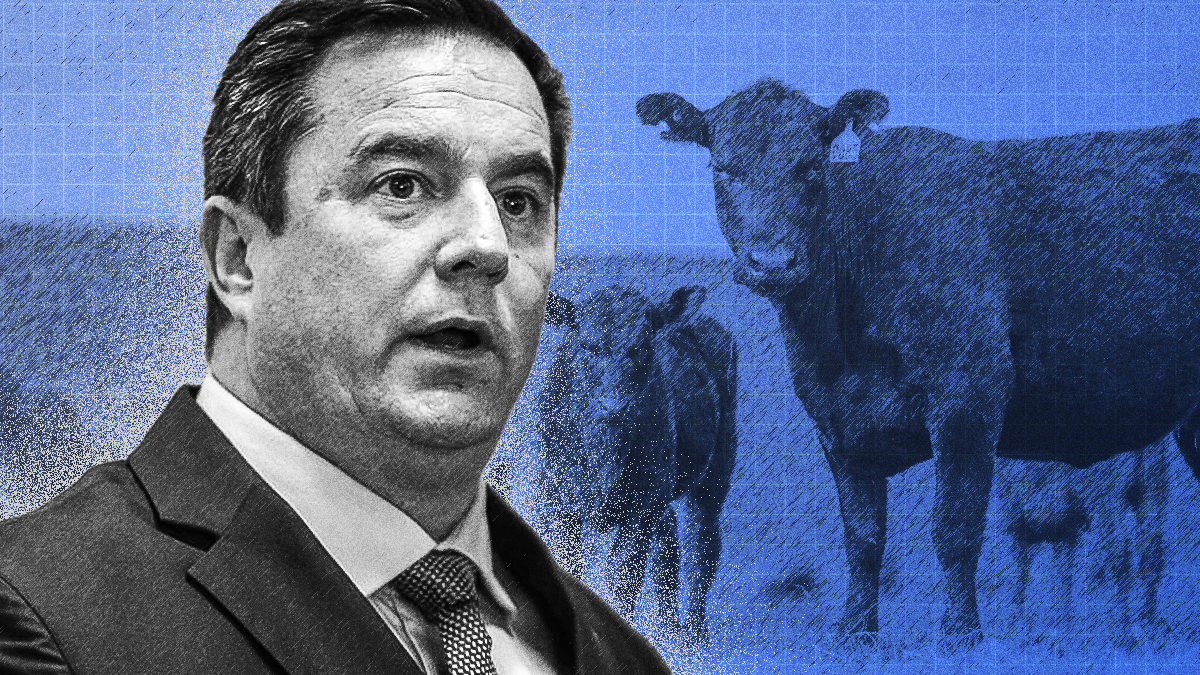
Steenhuisen’s Department of Agriculture has launched a multi-year strategy to combat FMD through a “whole of society” approach, where vaccines are administered by the state veterinarian under strict oversight
Speaking in Parliament on 3 February, Steenhuisen said that, recognising the FMD crisis upon taking office, he brought together the private sector, industry bodies, veterinarians, scientists, and agricultural organisations.
According to Steenhuisen, the primary outcome was a Ministerial Task Team, composed equally of private-sector and state veterinarians, tasked with designing a vaccination strategy modelled after systems used in Brazil and Argentina.
Steenhuisen said that the decision to maintain strict state control over this rollout is linked to the fact that, under the Animal Diseases Act of 1984, FMD is a controlled disease.
He said that state oversight is essential to provide the WOAH with the verifiable data required to prove the virus is no longer circulating.
This centralised management, according to the Minister, ensures only high-potency vaccines matched to South African strains (SAT 1, 2, and 3) are used, preventing disease masking or new variant emergence.
Supervised by officials, the process integrates vaccination with the Digital Livestock Identification and Traceability System (LITS).
“During Covid, it is not like you could just walk into a pharmacy and buy vaccines to take home. This is no different,” said Steenhuisen.
In response to current local production shortfalls, Steenhuisen said that he has fast-tracked emergency approval through SAHPRA to import vaccines via private local agents.
This shift brings the Dollvet vaccine from Turkey and the Biogensys Bagò vaccine from Argentina into the South African market, fostering competition among suppliers and ensuring the country is never again reliant on a single source.
This comes after the country’s own vaccine capabilities, under the Onderstepoort Biological Products, collapsed due to years of maladministration.
Additionally, after a 14-year hiatus, South Africa has resumed submitting FMD field strains to the Pirbright Institute in the UK, a step not taken since 2011.
The submission, finalised in January 2026, forms part of Agriculture Minister John Steenhuisen’s 10-year FMD strategy.
Portfolio Committee discussions revealed that while routine data was shared, critical field strains were not.
Pirbright, recognised by the FAO and WOAH, conducts antigenic matching to test vaccine effectiveness against circulating strains.




 Loading ...
This bureaucratic apathy that Athol Trollip refers to is, in my personal view, none other than a systematic mass assassination of the majority of white farmers into bankruptcy so that the comrades and cadres can get their filthy hands on the farmers’ land for free. They are quick to prioritise other unnecessary rubbish that this country doesn’t need, but this FMD cannot be declared a national disaster.