
New BEE requirements for agricultural exports to the European Union


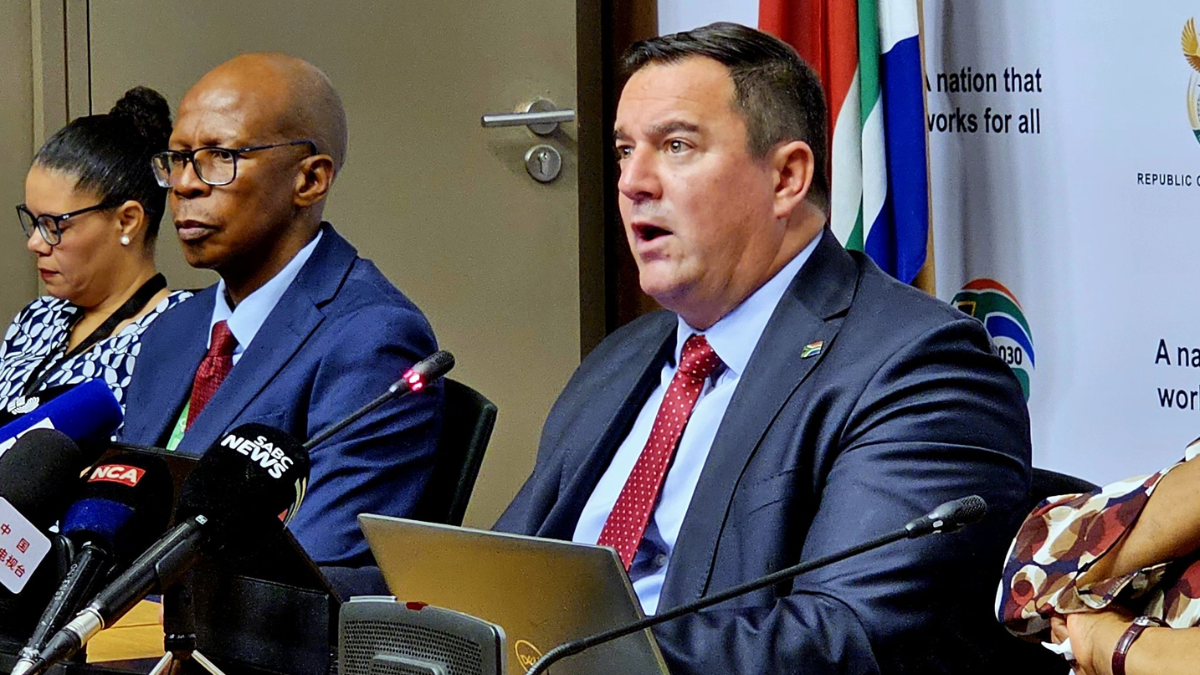
The Department of Agriculture’s Broad-Based Black Economic Empowerment (B-BBEE) requirements for exports to the European Union (EU) have drawn sharp criticism.
On 30 January 2026, the Department of Agriculture published its procedures for the application, administration and allocation of export quotas to the EU.
These rules are set out under the Economic Partnership Agreement between the European Union and the Southern African Development Community for 2026.
Export permits for a wide range of agricultural products will be issued under a set of conditions listed by the department.
These include the market share of applicants, quotas applied for by applicants, the number of applicants, and the total quota available for the specific product.
However, the other condition is the one which elicited the most attention: The Broad-Based Black Economic Empowerment (B-BBEE) status of applicants.
The document stated that the B-BBEE status of applicants will be determined based on a valid B-BBEE certificate.
This certificate will be measured against the Amended Agricultural Black Economic Empowerment (AgriBEE) Sector Code.
Alternatively, a B-BBEE sworn affidavit may be submitted for Exempted Micro Enterprises (EMEs) and Black-Owned Qualifying Small Enterprises (QSEs).
The document states that enterprises with an annual turnover exceeding R50 million must undergo B-BBEE verification.
This verification must be done by an accredited SANAS B-BBEE verification agency to obtain a valid B-BBEE certificate.
The Department of Agriculture said that this B-BBEE verification document must accompany the application form.
B-BBEE requirement slated
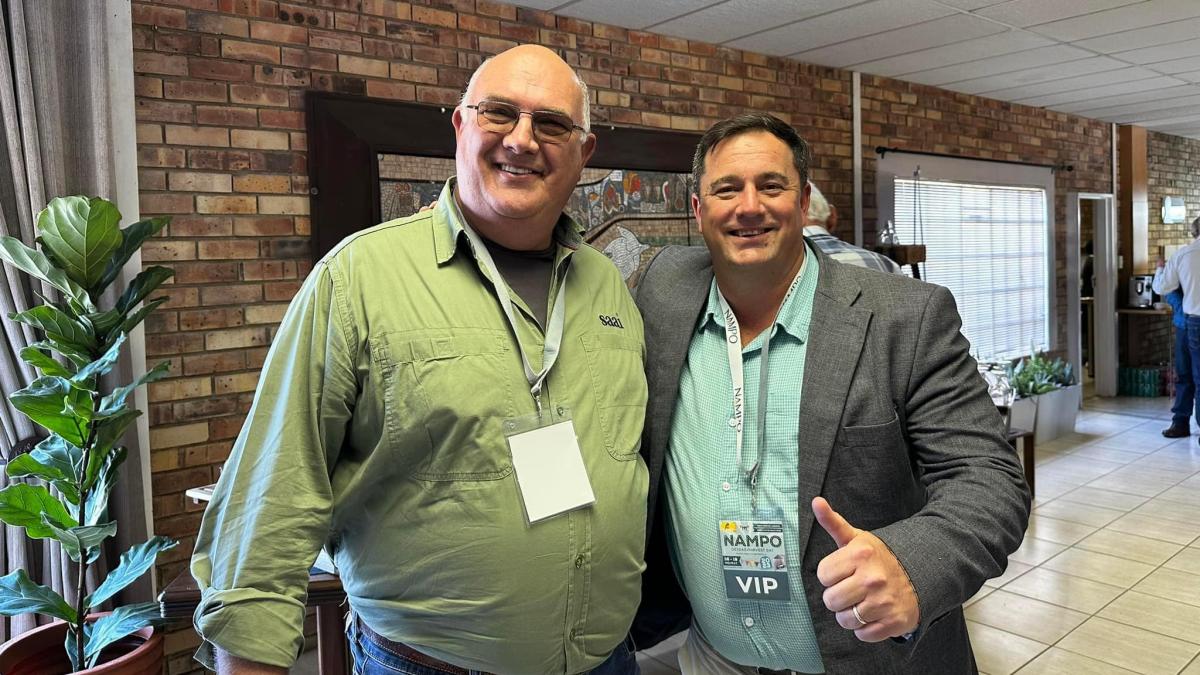
Many stakeholders, including the Southern African Agri Initiative (Saai), criticised the Broad-Based Black Economic Empowerment requirement.
Saai and Agri SA have previously highlighted the practical impossibility of meeting BEE ownership requirements for family-owned farms.
Small to medium-sized family farms often cannot sell a 51% stake to black investors without losing the family nature of the business.
Sakeliga said that listing BEE status as the first criterion for permit allocation creates a de facto exclusion of white-owned farms.
Many experts warned that if large-scale commercial farmers are denied permits, the total volume of exports could drop, depriving South Africa of essential foreign revenue.
It is interesting that the Democratic Alliance, whose leader, John Steenhuisen, serves as Agriculture Minister, described the requirement as “job-killing race quotas”.
In a statement in November 2023, it said the set of race quotas would further devastate the South African economy.
“These quotas target agricultural export businesses by making it illegal for farmers and businesses that do not meet strict racial BEE quotas to export their products,” it said.
“The ANC government is now imposing trade barriers on the very export businesses we desperately need to create more jobs.”
It said the government is wilfully and deliberately destroying jobs and livelihoods, and depriving business owners and workers of economic export opportunities.
“These rules will deprive the country of valuable foreign currency inflows and lead to the dumping of export-quality fruits, vegetables and other products,” it said.
“This is simply because the producers of these products are deemed by the ANC to have the wrong skin colour.”
“This amounts to nothing less than economic sabotage by the government against the many unemployed South African people.”
It added that these race quotas for agricultural exports are clearly part of a deliberate ANC agenda to destroy jobs on the altar of race.
“They come after similar recent amendments to the Employment Equity and race quotas for access to water for agricultural use.”







 Loading ...
“The document stated that the B-BBEE status of applicants will be determined based on a valid B-BBEE certificate.”
What is wrong with JS? He has been the Agricultural Minister for about a year now, and this death condition has not been removed yet? Do the anc have NO understanding that the money they rely on to steal is tax money, derived from INCOME created by productive people? Farmers in SA are brilliant at their job, and literally contribute to the GDP in double figure percentages. The minorities have stood by and shrugged off all racist legislation passed by the anc, but this together wtih EWC and EE will kill us off as well.
Someone MUST stop the anc, and the only person I trust is Dr Groenewald of the FF+.
They will get my vote.