
South Africans are poorer now than they were in the early 1990s – former Statistician-General


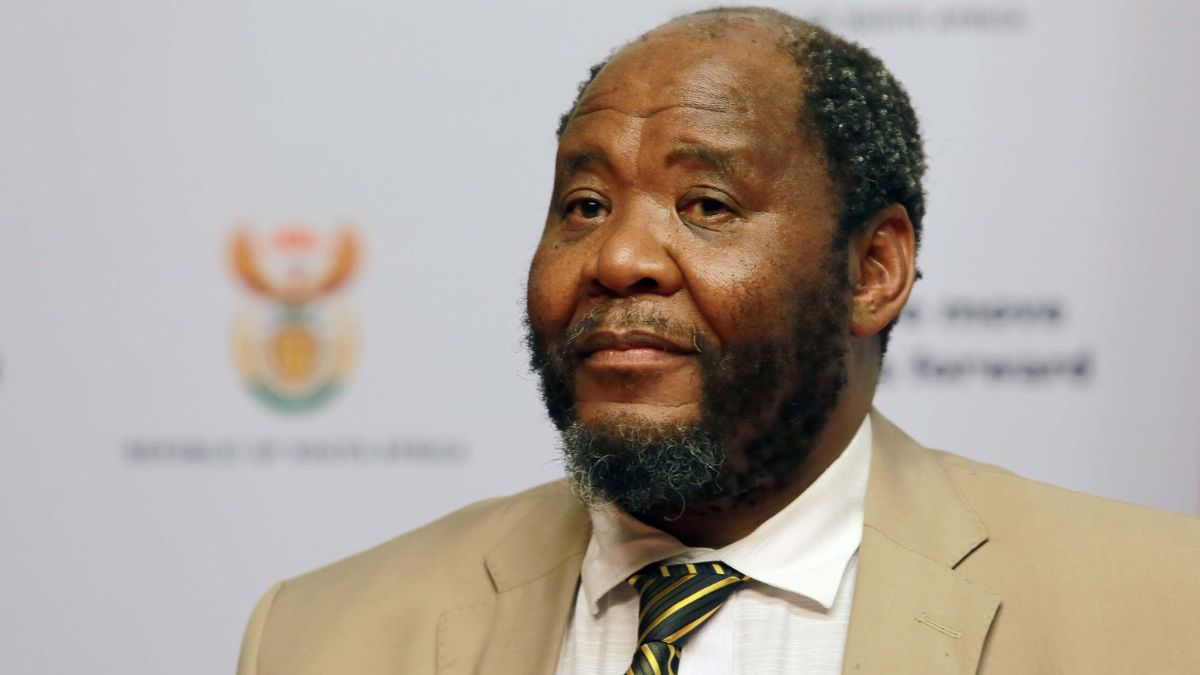
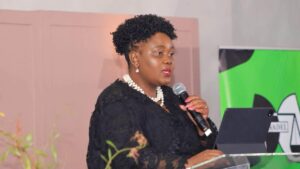
Former Statistician-General of South Africa, Dr Pali Lehohla, says that, while average poverty levels paint a rosy picture, the pervasiveness and intensity of poverty in South Africa is worse than at the dawn of democracy.
Speaking on an episode of SMWX, Lehohla explained that some poverty statistics show improvement.
“What is interesting is the average shows improvement, although you can see a serious slowdown from 2011,” he said.
Lehohla was the first black Statistician General of South Africa, and held the position from 2000 to 2017.
“The law of averages is very interesting. When you deal with an average, you must also look at the distribution. The distribution is of actual municipalities and actual people, who are not that average,” he said.
Recent poverty trend statistics from StatsSA are optimistic, finding that poverty rates show a decline over the last few decades.
“The proportion of the population living below the lower-bound poverty line – set at R1,300 per person per month (in 2023 pricing) – fell to 37.9% in 2023, a reduction of 19.6 percentage points since 2006,” StatsSA reported.
However, Lehohla said that if one takes a multidimensional approach to measuring poverty, the statistics tell a tragic story.
Lehohla measures poverty along the lines of headcount and intensity. This is used in the Multidimensional Poverty Index (MPI).
The MPI is an international measure of acute poverty that has been used for over 100 developing countries, according to StatsSA.
It measures poverty by capturing data on households experiencing severe deprivations in education, health, and living standards.
This is measured by looking at nutrition, child mortality rates, access to schooling and school attendance, as well as access to cooking fuel, sanitation, water, electricity and assets.
If an individual or household is deprived of more than one-third of the MPI’s ten indicators, they are considered ‘MPI poor’, and the intensity of the poverty is measured by the proportion of deprivations they experience.
Poverty intensity and headcount show concerning rise

Using this measure, Lehohla says that both South Africa’s poverty headcount and its poverty intensity levels have reached or surpassed the levels of the first measurement in 1996.
“What I mean is, in 1996, poverty intensity was at about 55 points [55%], and then headcount was at about 65,” he explained.
He said that the report card for 2008 showed improvement. “At that point, intensity has dropped to about 52,” he said.
“And headcount dropped like lead from above 60 to 40 something,” this means poverty was both less intense, and there were fewer people in poverty.
However. He added, “Now we come to 2019, 12 years later, the poverty level shifts backwards,” he said.
In 2019, the poverty headcount remained similar, but poverty intensity was nearing the 55% mark.
“Now you come to 2023, headcount emulates, almost jumps back to the 1996 figure, and intensity is way above the 1996 figure,” he said.
Africa Check verifies that the headcount of South Africans living below the upper poverty line was 55.5% of the population; however, Lehohla credits this analysis to data he collected himself.
While other sources, such as the United Nations Development Programme, put South Africa’s poverty intensity rate at 38.9%, Lehohla insists his measurements reveal the truth about poverty in South Africa.
The “Lehohla Ledger” is a data-driven model developed by the statistician using artificial intelligence to synthesise an archive of Lehohla’s 3,300 weekly newspaper columns.
His analysis breaks the country down into 120,000 small “cells” containing 200 households, allowing for a highly specific analysis of socioeconomic conditions.
“So we are worse off today in terms of numbers,” he said. “The average, when you average it out, points to a downward trend, but the last cohorts have actually gone way above where we were in 1996.”
Lehohla intends to make the ledger public and have it function as a real-time dashboard for the public that would replace performative events like the State of the Nation Address with real data to show South Africa’s performance.






 Loading ...
Someone said ‘there are lies, more lies and then statistics’.
This report was given by an ANC man and its a timely wake up call. We can blame the ANC etc yet everything starts with us. Focus, do your best all the times and reach your goals one at a time. Just get on with your life!