
Top Afrikaans school takes government’s 80 extra forced admissions under the BELA Act to court


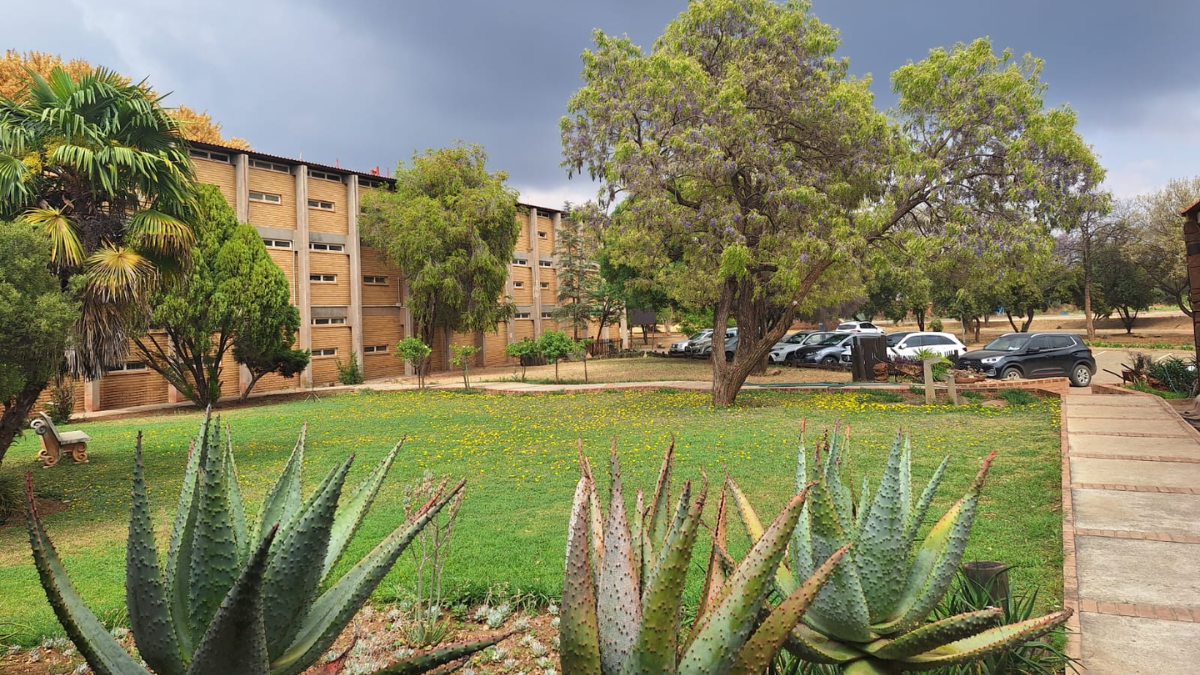
The controversial admissions and language clauses of the Basic Education Laws Amendment Act (BELA) are being used to justify placing around 80 additional learners at a school in the North West, already beyond its capacity.
The Swartruggens Gekombineerde Skool, supported by the Federation of Governing Bodies of South African Schools (FEDSAS), is taking the North West Education Department to court over the placements.
According to the school, the provincial education department placed about 80 additional learners at the school without prior consultation, and without sufficient additional resources, as per the BELA Act.
According to FEDSAS, the Department waited until the December holidays to place the 80 children at the school, which the school only discovered on 12 January, 2 days before the school year began.
“The irony is that formal discussions about including the learners took place throughout last year. The school, the governing body, and the provincial education department were already looking for solutions to admit the learners,” said Dr Jaco Deacon, CEO of FEDSAS.
The school and FEDSAS are taking the department to court, saying it hopes to make the provincial body adhere to its constitutional and statutory obligations of providing resources for additional students, which it claims it did not receive.
“From the get-go, FEDSAS has made it clear that abuse of authority by education officials or interference by politicians will not be tolerated. In this instance, the North-West Education HOD’s actions exceeded the limits of legal administrative authority,” said Deacon.
School required to change its language model
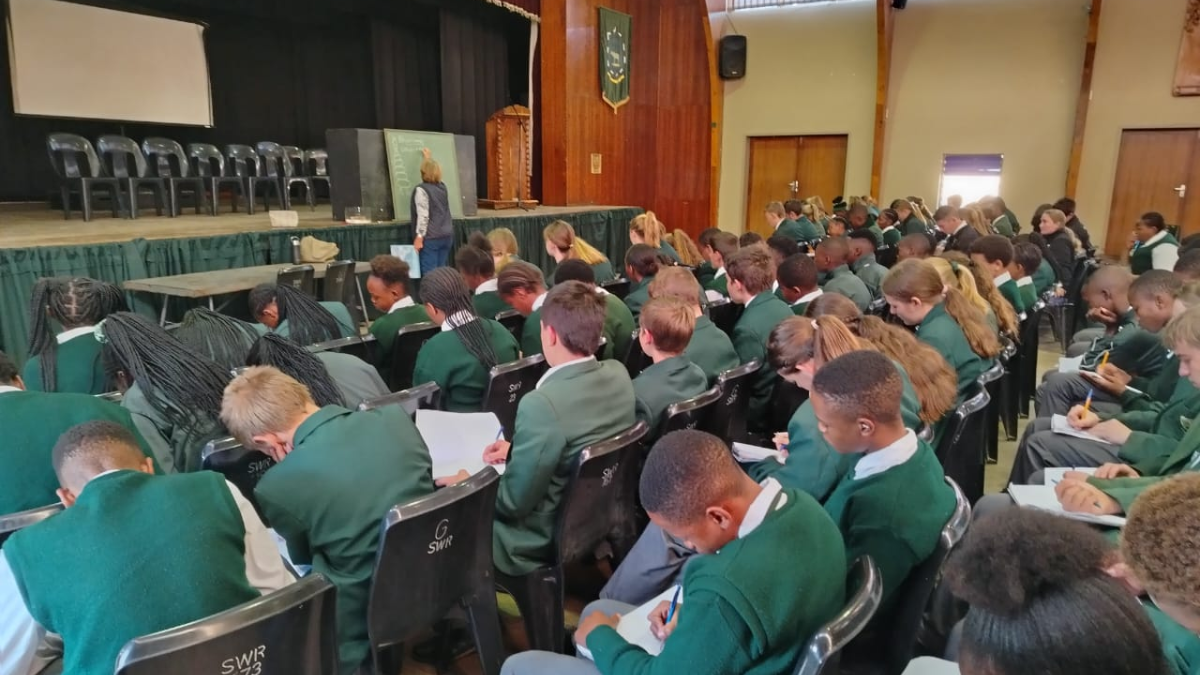
Lengane Bogatsu, Superintendent General at the North-West Department of Education, told Newsday that he disagrees with this notion.
He said that the school was informed and given financial support, staff, mobile classrooms and teaching materials to accommodate the students.
Bogatsu said that he believes the “hostile” response from the School Governing Body (SGB) is because the 80 students are not Afrikaans learners, and that the school has been compelled to change its language of instruction to a parallel medium system.
“In the school, 56% of the learners, before it accommodated the additional 80 learners, are black. They are from the township. And yet the school was using Afrikaans as the only medium,” said Bogatsu.
The BELA Act, signed into law in September 2024, sparked debate over the powers of provincial education heads to intervene in admissions decisions.
The Department of Basic Education previously told Newsday that provincial education heads would not have the sole authority for these issues without consulting with the school.
Bogatsu said discussions about changing the school’s medium of instruction began as early as 2018, and that the school was made aware that the 80 additional learners would be joining in January.
He said that, even as Swartruggens Gekombineerde Skool is a quintile 5 school, and therefore entitled to R800 per child subsidised by the department, it was discovered that 56% of the black students at the school could not afford school fees.
The additional 80 students also cannot afford to pay school fees, but Bogatso said that he made arrangements with the SGB for the department to subsidise each child with R1,800, the amount that quintile 1 to 3 schools receive.
“The money has been transferred, more than R1 million, and the school has accepted it,” he said. He explained that the funding, along with mobile classrooms, teachers and teaching materials were all supplied.
“The SGB gave me a list of things I must do, and I’ve done them,” he said, adding that he held meetings with parents, staff and the 80 new children’s parents as well.
“And then we received the notion of a motion interdicting the new admissions, saying they think we’ve suddenly imposed this. there is a record of meetings from way back,” he said.
The language and admissions requirements of the BELA Act have been extensively criticised over the last few years; however, regulations clearly stipulate that the School’s Governing Body has the final say in a school’s language and admissions policy.
The BELA Act states that the Department does, however, have the final authority to admit a learner to a public school, but that it must inform the governing body of the school of its intention to exercise this authority timeously and in writing, giving the body time to respond.
Furthermore, it stipulates that this decision must consider the best interests of the learner as well as “the resources available at the public school and within the Department to accommodate the learner.”
If a school is instructed to change its language of instruction, the act also requires that the government provide the staff and resources to make this possible.
A dangerous precedent for South African schools – FEDSAS

The school, as indicated by its multiple meetings with the Department, is in favour of accommodating more learners, but has said that additional resources are absolutely necessary.
“The school has already reached its authorised capacity. Further admissions have serious safety and operational implications for current as well as additional learners,” said Juané van der Merwe-Mocke, head of Legal Services at FEDSAS.
“At the moment, the school cannot legally or responsibly accommodate more learners without sufficient resources.”
Van der Merwe-Mocke claimed that the Department’s actions are underhanded.
While a few mobile classrooms were delivered on 20 January, the school says that they have not been installed properly and have no electricity, making them not operational and unsafe to use.
Additionally, the school was given two new educators, but they said they were employed without following the proper appointment process.
The school says it needs at least 6 more educators to meet the minimum teaching requirements.
“The school’s existing infrastructure is already under significant pressure. Independent infrastructure and safety reports have pointed out several infrastructure and sanitation challenges,” said van der Merwe-Mocke.
The school governing body and FEDSAS are aiming to have it ruled unlawful that a school is forced to accommodate learners when it is “objectively unsafe and impractical.”
The organisation said that, if the government were to get away with overburdening this school without sufficient resources, it would set a dangerous precedent going forward and undermine the role of school governing bodies.
Bogatsu, countering the notice from the SGB, said he believes that the school body’s term has lapsed, and that these leaders have not been elected demographically.
He said there is a need to reconstitute the SGB to reflect the demographics of the school.
“We are not debating whether the learners must be admitted,” said Bogatsu, “they are at the school, they have started the academic year.”








 Loading ...
The old, old story – Outside influence in the proper running of a school, against the Schools Act.
Stubborn ANC representatives wishing to score political points !!!
Wasting money on Court cases — sometimes I think that maybe, just maybe, it is the LAWYERS themselves that instigate these issues…. another way of corruption ???