
Big changes for South Africa’s hate speech laws


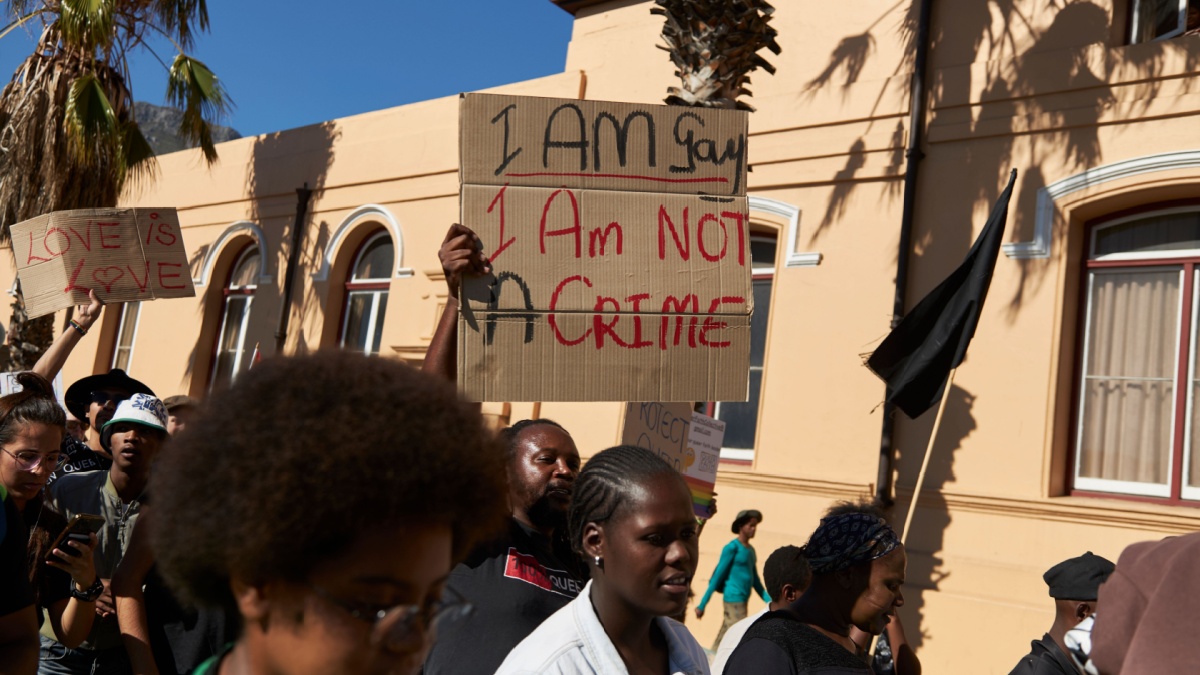
A National Task Team has called for public input on the draft Regulations under South Africa’s Prevention and Combating of Hate Crimes and Hate Speech Act.
The regulations are said to strengthen protections against hate crimes and hate speech, particularly for members of the LGBTIQA+ community and others facing discrimination based on sexual orientation, gender identity, expression, and sex characteristics (SOGIESC).
South Africa has long been a regional leader in LGBTQ+ rights, with its 1996 Constitution prohibiting discrimination on grounds including sexual orientation, one of the first of such protections globally.
Despite this progressive framework, the National Task Team, constituted by the Department of Justice and Constitutional Development, said that hate crimes and hate speech targeting LGBTIQA+ individuals remain a persistent challenge.
Reports from civil society organisations and monitoring bodies highlight ongoing violence, including murders, assaults, and discrimination, often motivated by prejudice related to SOGIESC.
To address these gaps, Parliament passed the Prevention and Combating of Hate Crimes and Hate Speech Act in 2023, which was assented to by President Cyril Ramaphosa in May 2024.
The Act creates specific offences for hate crimes (where prejudice motivates an underlying crime) and hate speech (intentional communication that promotes hatred or incites harm based on protected grounds).
It mandates prevention measures, training for police and prosecutors, data collection on incidents, and effective enforcement while balancing free expression protections.
The Act requires regulations to operationalise its provisions, including details on recording incidents, reporting procedures, and monitoring.
The draft regulations and call for input

On 28 November 2025, the Department of Justice and Constitutional Development published the draft Regulations.
The draft regulations set out how the Act will be implemented in practice, focusing on the recording, reporting, monitoring and analysis of hate crime and hate speech incidents.
Rather than redefining offences, the regulations establish standardised procedures and forms for SAPS, prosecutors and courts to document cases, track prejudice-based motives, and report outcomes to a central database managed by the Department.
The framework requires regular reporting by police, the National Prosecuting Authority and court officials, the publication of anonymised statistics, and annual reporting to Parliament and Chapter 9 institutions.
The Department said that this is with the aim of ensuring accountability, consistency and reliable trend analysis across the criminal justice system.
The National Task Team (NTT) on SOGIESC Matters—a multi-stakeholder body established by the Department of Justice to address human rights violations against LGBTIQA+ people—welcomed the publication.
Co-chaired by Deputy Minister Andries Nel and Sibonelo Ncanana-Trower, the NTT resolved to submit consolidated comments on the draft regulations.
The NTT urged all stakeholders to submit comprehensive comments by the deadline of 28 January 2026.
Deputy Minister Nel and co-chair Ncanana-Trower said that “having the proper Regulations in place will strengthen the legislation aimed at preventing hate crimes and hate speech.”








 Loading ...
All Comrades and EFF is excluded