
The oldest operating bar in a historic South African mining town where Paul Kruger frequented


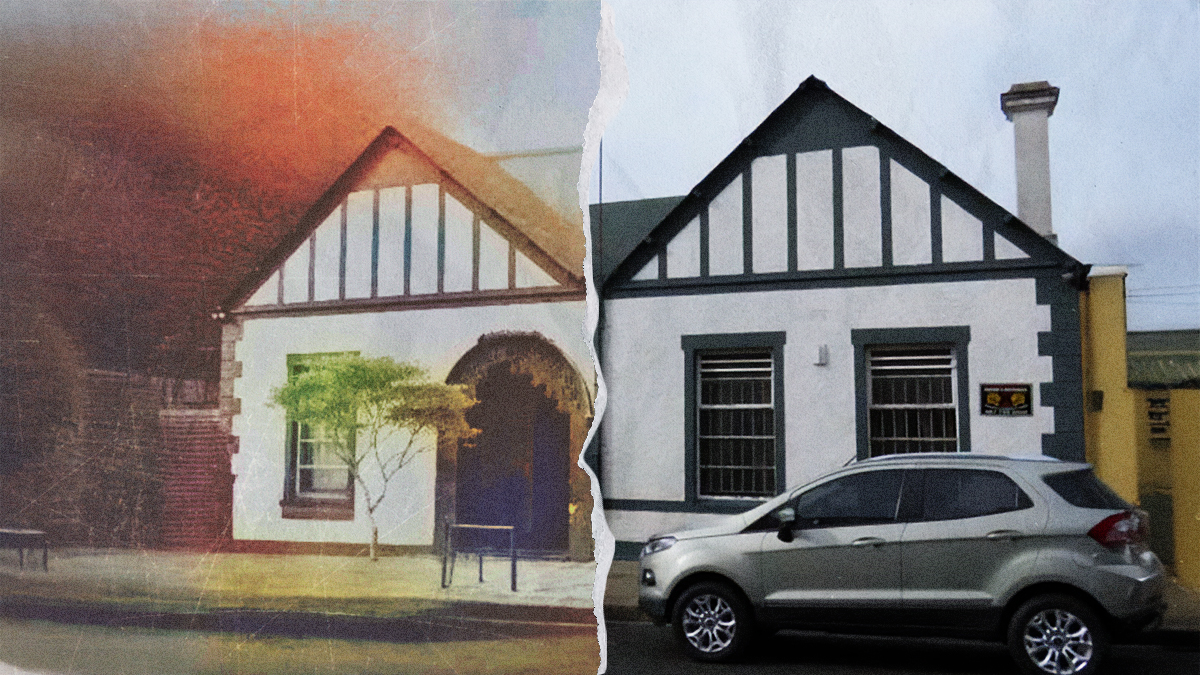
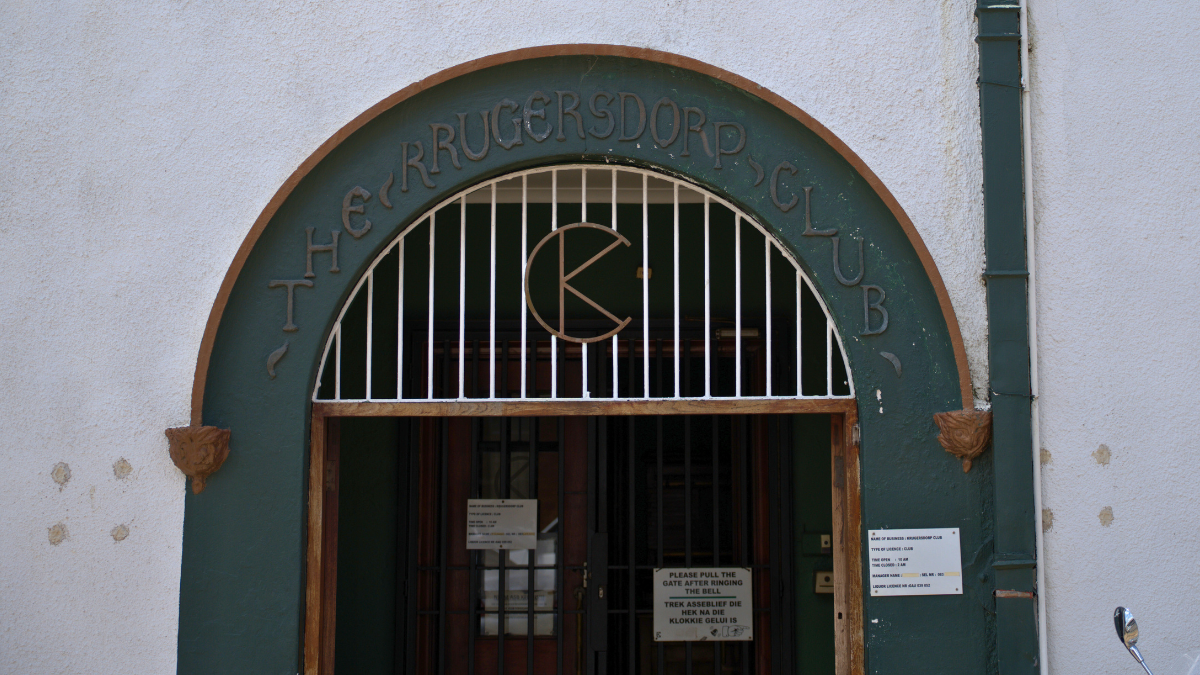
For the past 132 years, the Krugersdorp Club in Gauteng’s West Rand has not only been a popular watering hole for its patrons – it is a proud institution.
While most of the buildings surrounding it in the CBD of Krugersdorp have come and gone, the Krugersdorp Club has stood strong, from Transvaal President Paul Kruger to the modern man; the club has remained a pristine bar and restaurant.
The Krugersdorp town was founded in 1887 following the Witwatersrand gold rush. The government purchased part of the Paardekraal farm to establish a town.
It originated from two separate, later-united, townships—one for business, the other for mining.
The Krugersdorp Club was founded in 1894 by two of the town’s most prominent doctors at the time, Dr. Wouter van der Merwe and Dr. Percy Stewart.
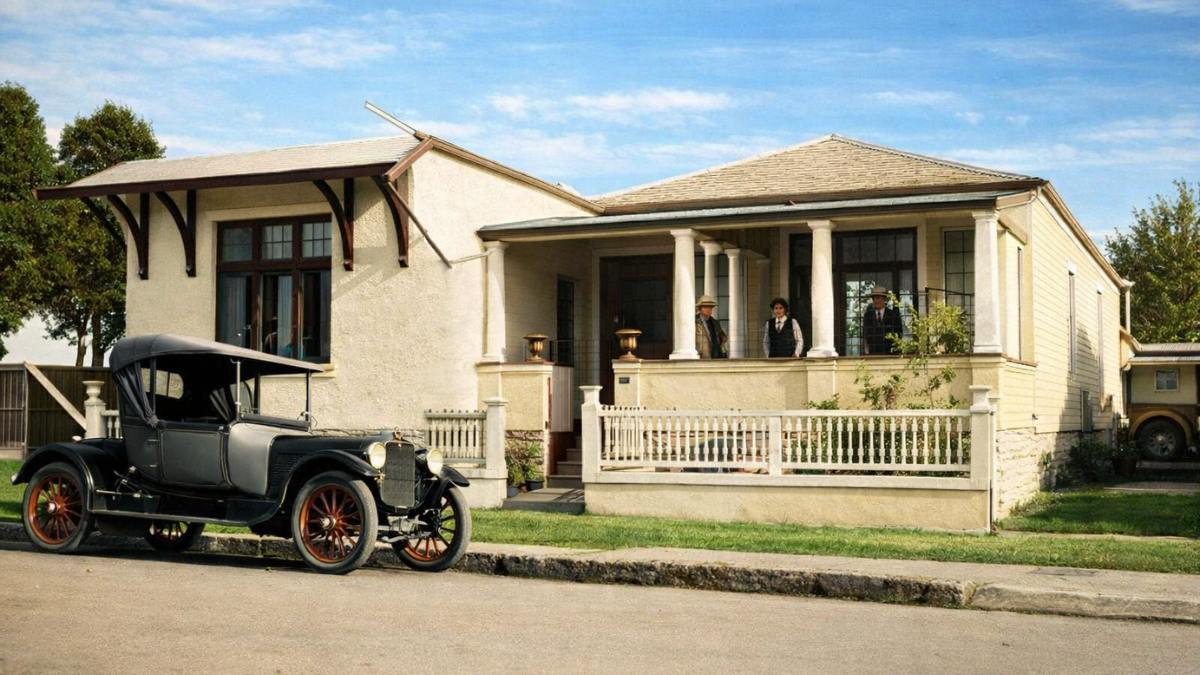
Van der Merwe lived on the corner of Ockerse Street, which was then the town’s main thoroughfare, and Kruger Street, noted Jaco Mattheyse, co-founder of the Krugersdorp Heritage Association.
In his back garden, he planted a jacaranda tree whose leafy shade became a favourite gathering spot for visitors – including none other than President Paul Kruger, a personal friend.
That same tree remains standing today across the road from the current location of the club.
The two doctors decided to establish a venue where the town’s emerging gentlemen could gather and unwind, inspired by their own daily habit of enjoying sundowners after work.
Mattheyse said that the time coincided with the wider tradition of gentlemen’s clubs in the late Victorian era.
Such establishments were not unique to Krugersdorp; they were regarded as an essential feature of any respectable town, city, or metropolis across the English-speaking world.
In the 19th century, the family was seen as a central pillar of a man’s life, yet the home was not always a haven of privacy, particularly for the elite.
Houses frequently doubled as venues for dinners, teas, and social gatherings, exposing private life to constant public scrutiny, often amplified by local newspapers.
Gentlemen’s clubs offered a refuge from these demands, explained Mattheyse. The club provided a space where men could socialise comfortably among peers.
These clubs were important centres of information and gossip. Conversation and news-sharing helped forge social bonds, shape personal reputation, and reinforce class and gender norms.
Far from trivial, gossip functioned as a tool of networking and influence.
A typical gentlemen’s club included a formal dining room, bar, library, billiards room, and various parlours for reading, games, or quiet discussion.
Some, such as the popular Rand Club, also offered guest accommodation and fitness facilities, while many hosted regular dinners and sporting events.
The club kicks off
The club gained significant traction during the Second South African War (1899 – 1902), with British soldiers stationed in the area taking a particular liking to it.
Despite the occupation by the British, van der Merwe maintained his daily visits to the club.
Unbeknownst to the British soldiers, van der Merwe gathered critical information – such as troop movements – and passed it along to local Boer contacts.
These included the likes of “Vaal Martiens” Pretorius, Gerrit van Blommenstein, and Charles Te Water.
These men would then write coded messages, attach them to dogs’ collars, and send the animals out of town, where Boer commandos would intercept them.
The club quickly grew in numbers and popularity, and its boardroom was even used by President Paul Kruger on occasion, when he travelled through the town.
By 1910, it boasted over 400 members, which exceeded the likely size of the town’s middle class.
This suggests that many working-class individuals, particularly miners, were also regulars, while the club’s presidents and office bearers were usually middle-class professionals.
Mattheyse said, however, that determining their occupations was challenging because Krugersdorp’s church registers lacked details typically recorded in Johannesburg.
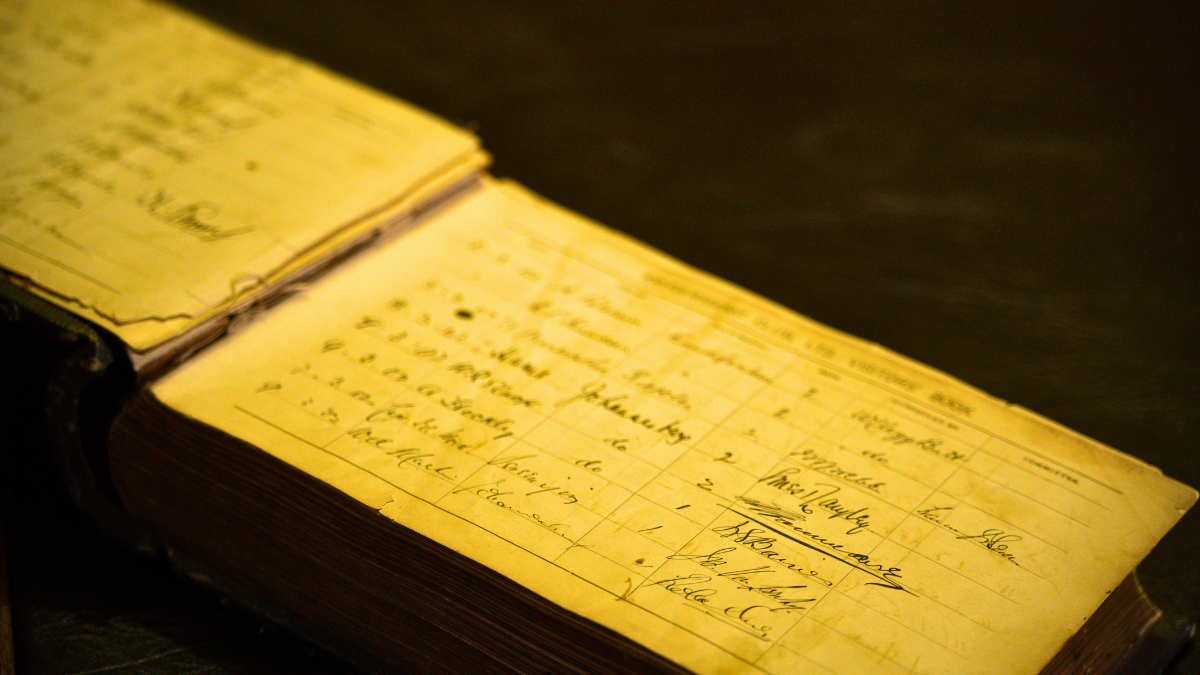
These conclusions were drawn from comparing the Krugersdorp Club Visitors’ Book (1902–1912) and the Register of European Burials in Krugersdorp Cemetery (1904–1929).
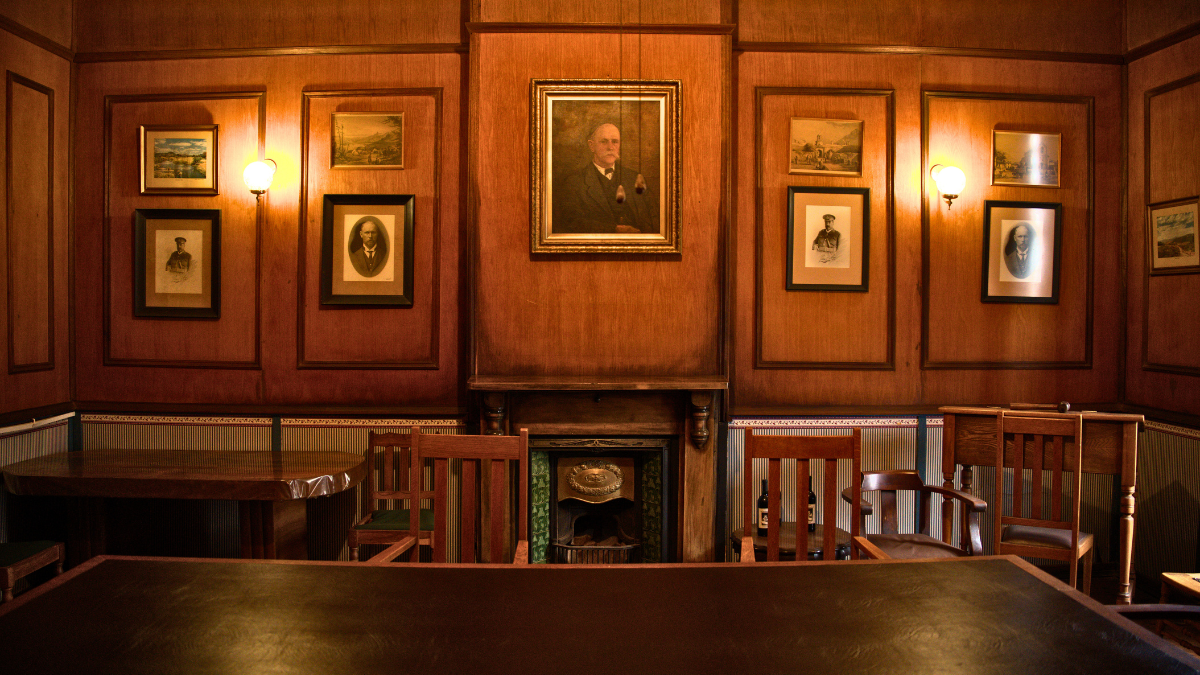
Visiting the club in 2026
One walk through the building feels surreal.
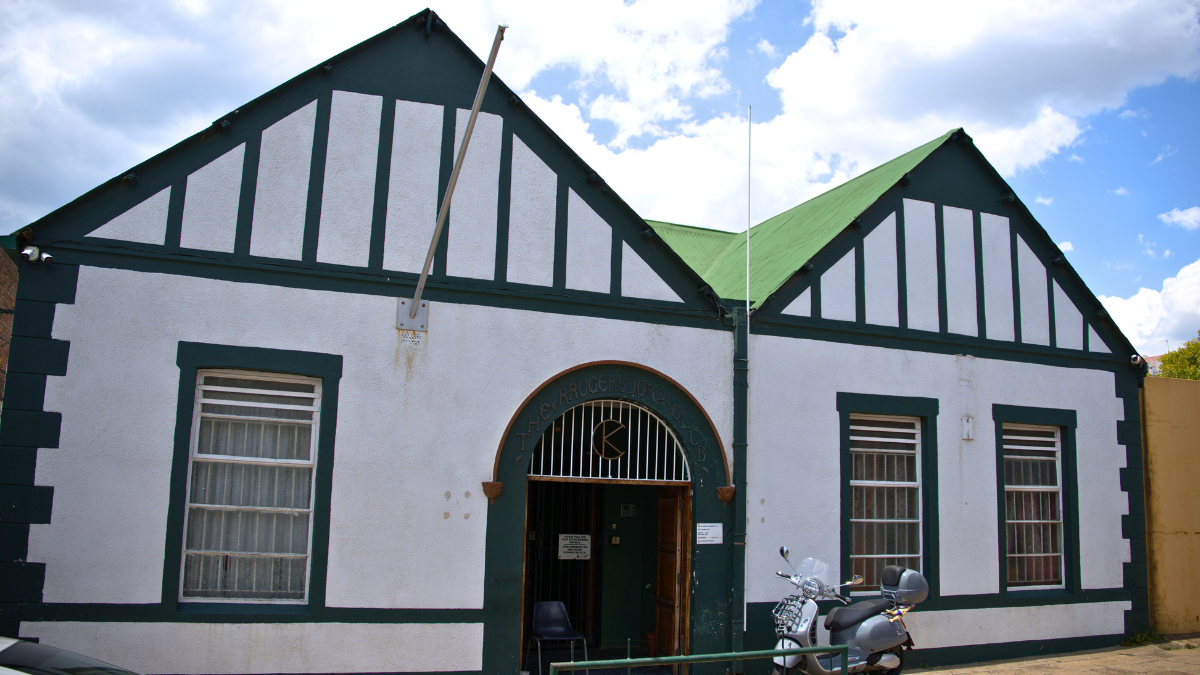
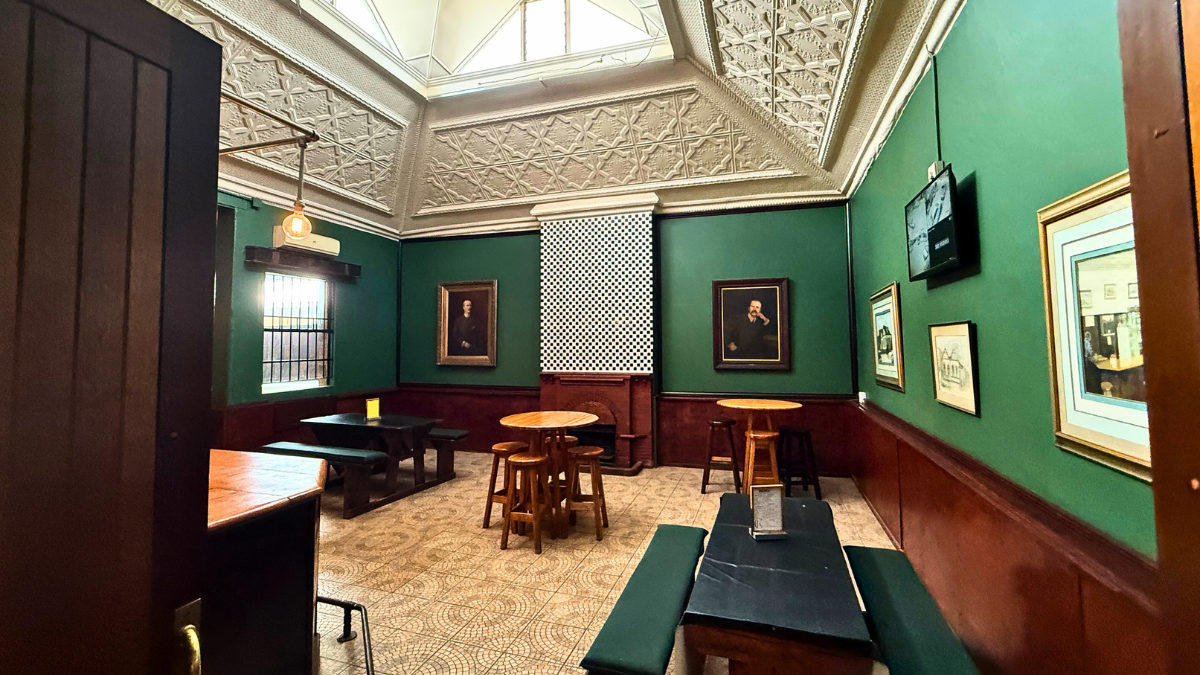
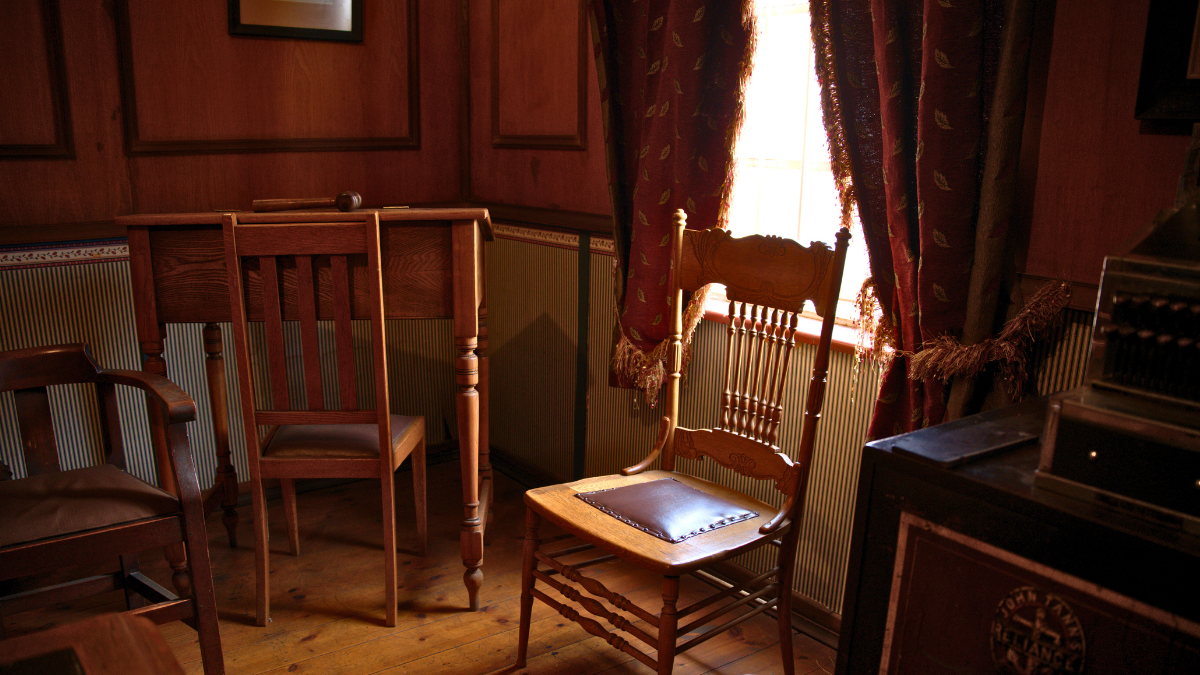
The current wood-and-iron building, dating to the late 19th century, features many elements typical of late Victorian colonial architecture: pressed steel ceilings, wooden floors, fireplaces, and other original details.
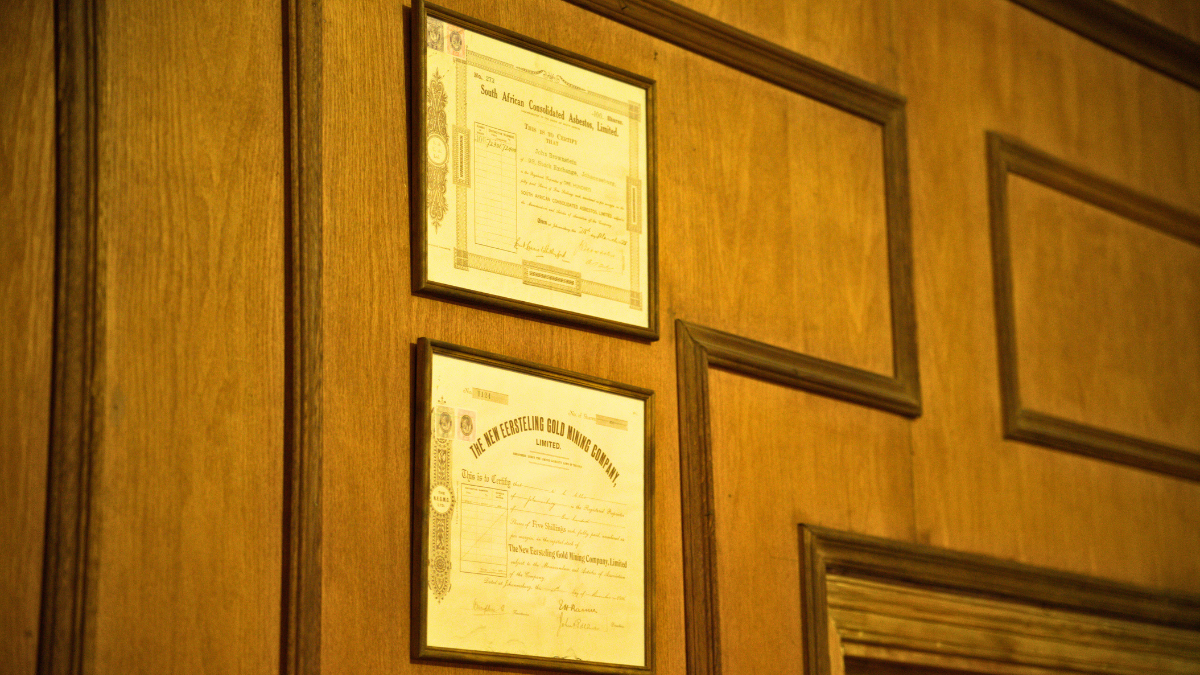
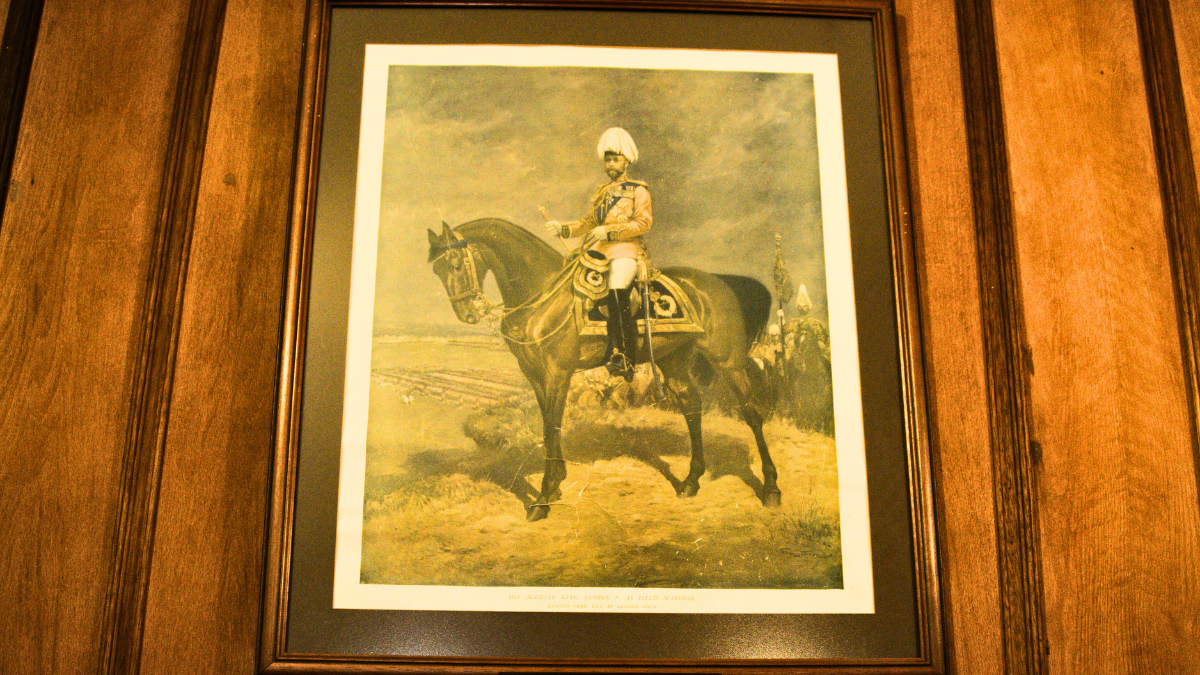
From historic furniture that once witnessed critical business decisions, mining licences dating back over a century, President Paul Kruger’s chair, and a safe that robbers tried to break open because they thought Kruger rands were inside, the history is seemingly endless.
“Browsing through these books today, one can’t help but feel a sense of awe at the well-known names and families who graced the club over the decades,” said Mattheyse.
“On the sidewalk outside one can still see the pole to tie your horse to before entering the club,” added Mattheyse.
Speaking to Krugersdorp News, Mattheyse said that “though changing lifestyles and modern habits have led to a decline in membership, The Krugersdorp Club,” still stands proud.
“Visitors are welcome to enjoy its historic atmosphere, hearty pub-style meals, and cold refreshments – just as they have for the past 131 years.”
The food and drinks are well-priced, and the atmosphere is buzzing. It is a must-visit for anyone in the area.
The club is currently reaching out to find new members, looking to boost its member count.
More images of the 132-year-old Krugersdorp Club







 Loading ...
The pub in Kimberley is older, established in 1870.