
South African government refuses to support vote to expand UN investigation into Iran’s brutal crackdown


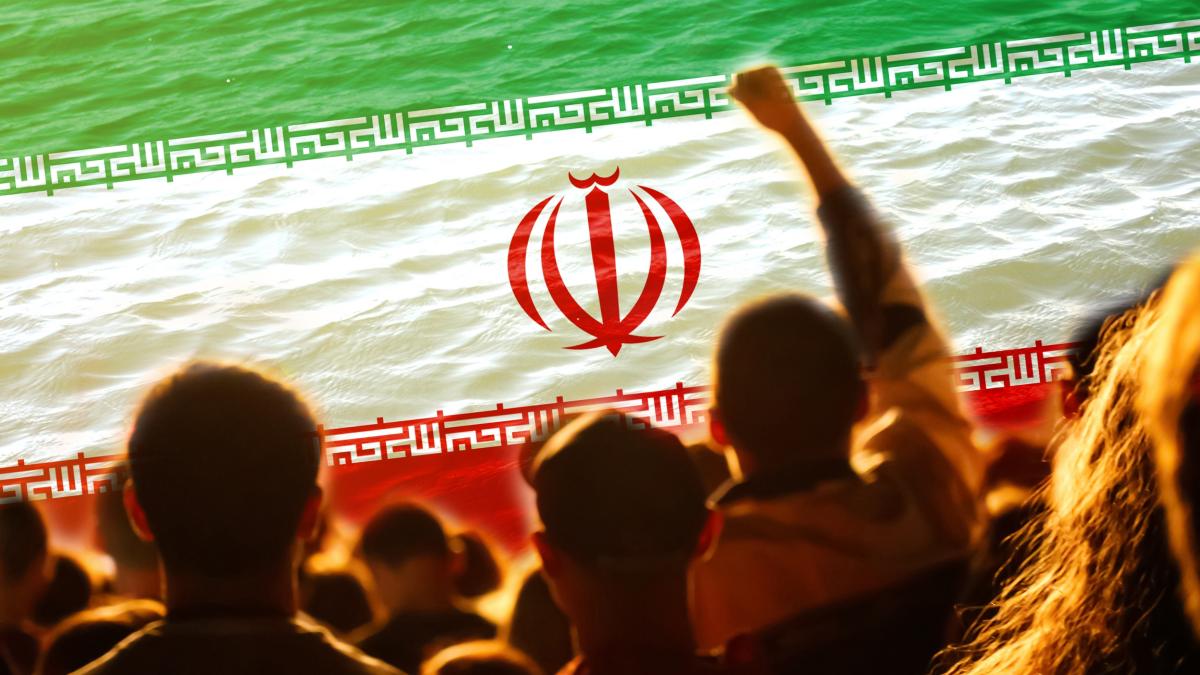
In a move that has ignited fierce debate both domestically and internationally, South Africa abstained from a United Nations Human Rights Council (UNHRC) resolution on January 23, 2026.
This resolution was aimed at extending an independent fact-finding mission to investigate Iran’s brutal suppression of anti-government protests.
The 39th Special Session addressed the deteriorating human rights situation in Iran, where security forces have been accused of mass killings, arbitrary arrests, and enforced disappearances since protests erupted in late December 2025.
The resolution passed with 25 votes in favor, 7 against, and 14 abstentions, mandating a probe into the crackdown that has reportedly claimed thousands of lives.
The protests in Iran began on December 28, 2025, sparked by economic grievances, corruption allegations, and demands for political freedoms, quickly escalating into nationwide unrest.
Iranian authorities responded with a heavily militarised clampdown, including live ammunition against demonstrators, sweeping detentions of over 27,000 people, thousands of deaths, and internet blackouts to conceal atrocities.
Human Rights Watch described the killings as “unprecedented,” with security forces conducting house-to-house raids and forcing confessions under duress.
Amnesty International reported attacks on victims’ families to silence them, labeling it a “renewed cycle of protest bloodshed.”
UN experts condemned the violence, urging Iran to create space for dialogue and break the cycle of repression.
Iranian state media, however, portrayed the protests as foreign-orchestrated riots, with some Western sources accusing the regime of editing Wikipedia to downplay abuses.
South Africa abstains

South Africa’s statement, delivered during the session, reiterated its ‘commitment to multilateralism and the international rule of law.’
“South Africa believes that the right to peaceful protest, freedom of expression, and freedom of association are universal rights that must be upheld and protected, as enshrined in international human rights law,” the statement read.
It added expending all efforts to ensure the protection of the right to life, which remains “sacrosanct.”
Despite this, Pretoria abstained, arguing it would support an independent inquiry ascertaining breaches by all parties, implying a preference for a broader, less biased probe.
The decision has drawn sharp criticism.
The Democratic Alliance (DA) lambasted the ANC-led government for “exposing its complicity” in Iran’s massacres, calling the abstention a failure to uphold human rights and an indictment on the country’s international standing.
Online, the abstention raised questions about consistency in South Africa’s human rights advocacy.
Critics have accused South Africa of hypocrisy, pointing to its vocal stance against Israel’s actions in Gaza at the International Court of Justice (ICJ), while remaining silent on Iran’s crackdown.
As one X user remarked, “Voting NO or abstaining on this UNHRC vote is not neutrality—it’s complicity. South Africa’s abstention is especially devastating.”
Supporters, however, praised South Africa’s “clean moral compass” in global diplomacy, arguing it avoids rushed condemnations for geopolitical gain and insists on thorough investigations.
Just weeks prior, South Africa hosted Iranian warships in naval drills despite presidential orders to exclude them, prompting U.S. alarm and accusations of undermining civilian control.
The incident involved the Islamic Revolutionary Guard Corps (IRGC), a sanctioned entity, fueling concerns over South Africa’s alignment with Iran amid the protests.

 Loading ...
You know what they say about the Pied Piper. The anc has existed on money paid to it by Iran and other terror regimes. The anc is a criminal mafia organization whose voters were unable to make the distiction between good and evil. The rest of SA has suffered ever since.