
South Africa’s currency goes from zero to hero


The South African rand strengthened from around R19.93 per US dollar in 2025 to R16.30 in early 2026, and this trend is expected to continue.
Last year was a tumultuous year for the global economy due to United States President Donald Trump’s disruptive tariffs and trade wars.
Rising policy uncertainty and geopolitical risk drove higher financial volatility, weakening investor confidence and hurting markets.
Global economic growth weakened sharply in 2025, and institutions such as the IMF and the World Bank sounded the alarm about recessions in many countries.
Extended wars strained national budgets, contributed to inflationary pressures, and complicated global trade and investment cooperation.
Although the year turned out better than many economists predicted, it still changed the way the world looked. This also applies to currencies.
The South African rand, which is traditionally one of the most volatile currencies in the world, had a particularly rocky ride.
In April 2025, the local currency hit R19.93 per dollar amid market panic over Trump’s tariffs and concerns about the Government of National Unity’s (GNU’s) future.
However, over the next nine months, the rand strengthened and is currently trading at R16.35 to the greenback.
Part of the reason for the stronger South African currency is a weaker US dollar. However, this is not the only reason.
The rand also strengthened against other hard currencies like the British Pound, the Euro, and the Japanese Yen.
There are many reasons for the rand’s strength, including high gold and platinum prices and the strong performance of South Africa’s agricultural sector.
The government of national unity has also proved to be more resilient than expected, which eased investor concerns.
Another positive was Finance Minister Enoch Godongwana’s Medium-Term Budget Policy Statement (MTBPS), which was well received.
His budget signalled a commitment to controlling debt, which was one of the major concerns regarding the government’s finances.
Investor sentiment was also bolstered by South Africa’s successful removal from the FATF Grey List, which reduced the country’s risk premium.
Another positive factor was the end of load shedding due to Eskom’s improved performance and Transnet’s start of its turnaround journey.
Investec chief economist Annabel Bishop shares her view
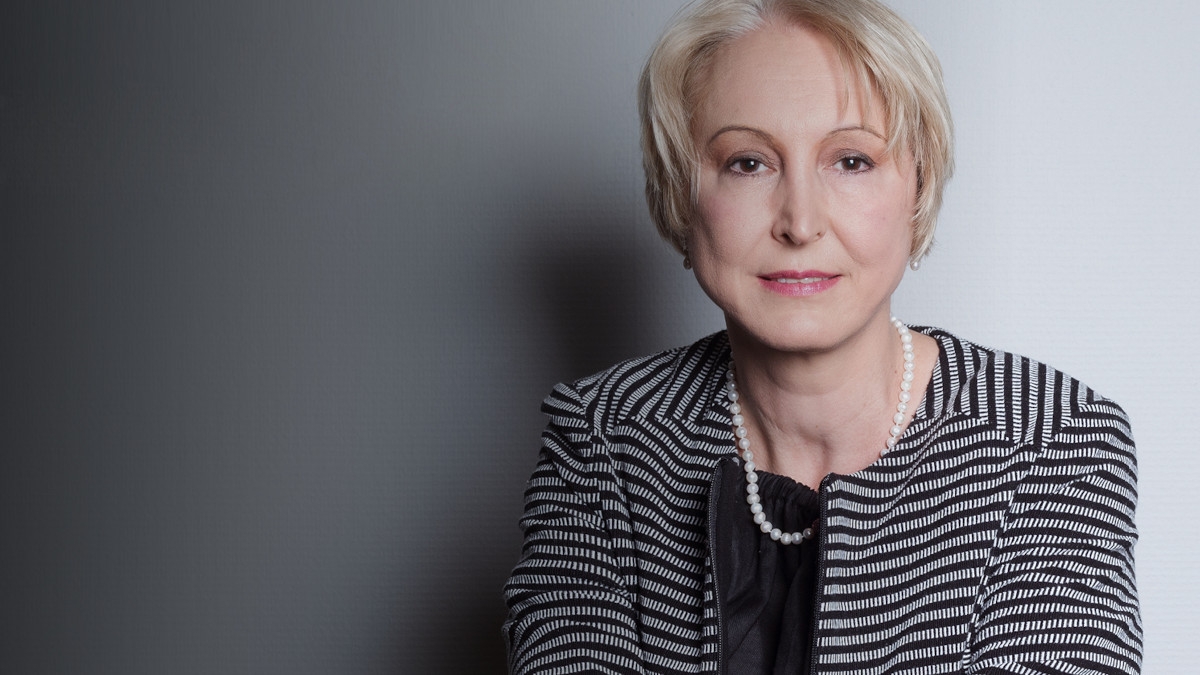
Investec chief economist Annabel Bishop said the rand is not expected to see the same gains from its current value.
She said the purchasing power parity valuation of the rand is placed near R16.00/USD, close to where it is currently trading.
The South African Reserve Bank (SARB) has reportedly been buying hard currency at the strongly appreciated levels the rand has reached.
The rand itself is 1.0% stronger against the US dollar this year, 2.2% stronger against the euro, and 1.6% firmer against the pound.
This means that the South African rand has been gaining on its own right in 2026, unlike 2025, when a lot of it was driven by dollar weakness.
Financial markets expect two further interest rate cuts in the US this year, but only one for South Africa.
This would widen the interest rate differential, and this expectation is also supporting the rand.
“The next few years are not expected to see the rand gain by near R4.00/USD again,” Bishop said in a note.
However, the domestic currency could see further strength this month and even in the quarter, although several risks remain.










 Loading ...
Kijk eens naar de koers van de US dollar ten opzichte van Renmibi, de Chinese munt, of de Euro.
En dan naar de waarde van de Rand
De US dollar heeft duidelijk veel waarde verloren.
Daarom lijkt het of de Rand is gestegen.
De Rand heeft niet