
One decision that empowered criminals and crushed an important industry


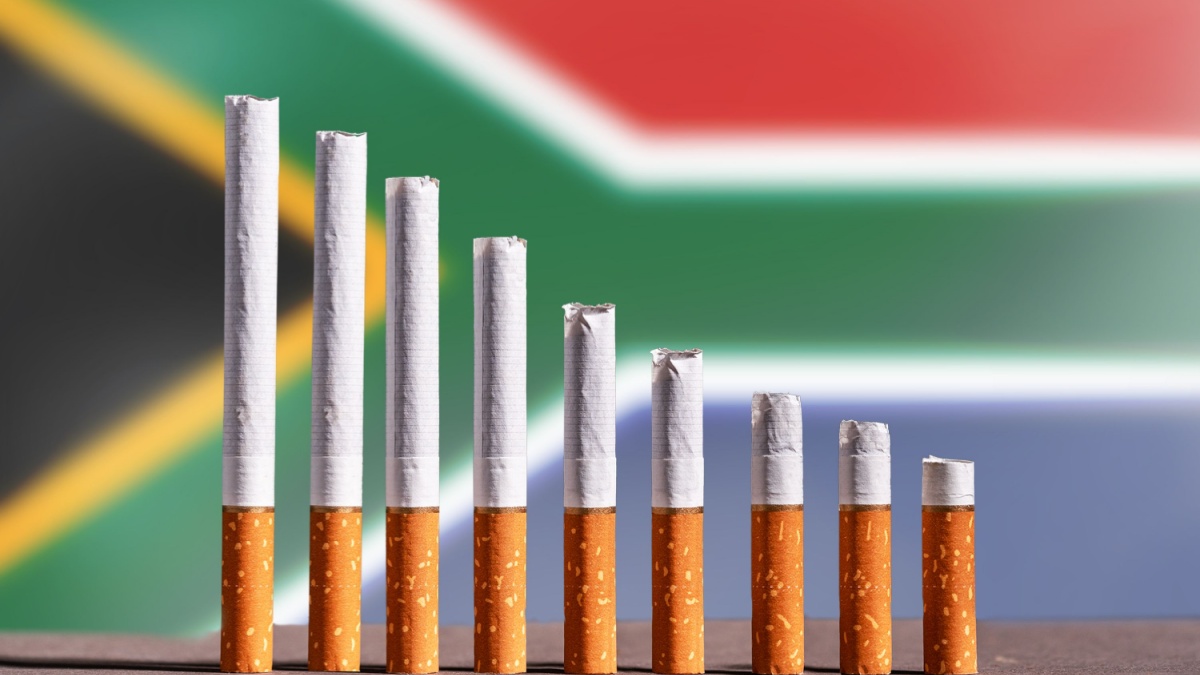
The recent announcement that British American Tobacco (BAT) is closing its South African manufacturing operations marks a devastating milestone in the country’s economic hardships.
While the closure results from immediate financial pressures, the root cause can be traced back to a specific, catastrophic policy decision made nearly six years ago.
In March 2020, under the guise of pandemic health management, the South African government implemented a ban on the sale of legitimate tobacco products.
That single decision not only failed to achieve its health objectives but effectively handed a multi-billion rand monopoly to criminal syndicates, permanently fracturing an industry that had operated in South Africa for over a century.
To understand what happened, one must turn back the clock to March 2020 when the COVID-19 pandemic hit local shores.
As the COVID-19 pandemic swept across the globe, Minister Nkosazana Dlamini-Zuma spearheaded a nationwide prohibition on the sale of tobacco products.
The government argued that the ban was necessary for health reasons, claiming it would encourage smokers to quit and reduce the severity of Covid-19 cases.
However, the policy failed on its primary metric. Research from the National Income Dynamics Coronavirus Rapid Mobile Survey revealed that 85% of smokers continued their habit during the ban.
Rather than quitting, consumers were forced underground. The ban did not stop smoking; it merely transferred the entire market from tax-paying, regulated manufacturers to illicit traders.
During this period, the average price of cigarettes on the black market surged by nearly 200%, creating an unprecedented windfall for criminals.
As Busisiwe Mavuso, CEO of Business Leadership South Africa (BLSA), noted, the ban allowed illegal networks to establish distribution chains that never closed, even after the restriction was lifted.
The explosion of the illicit trade
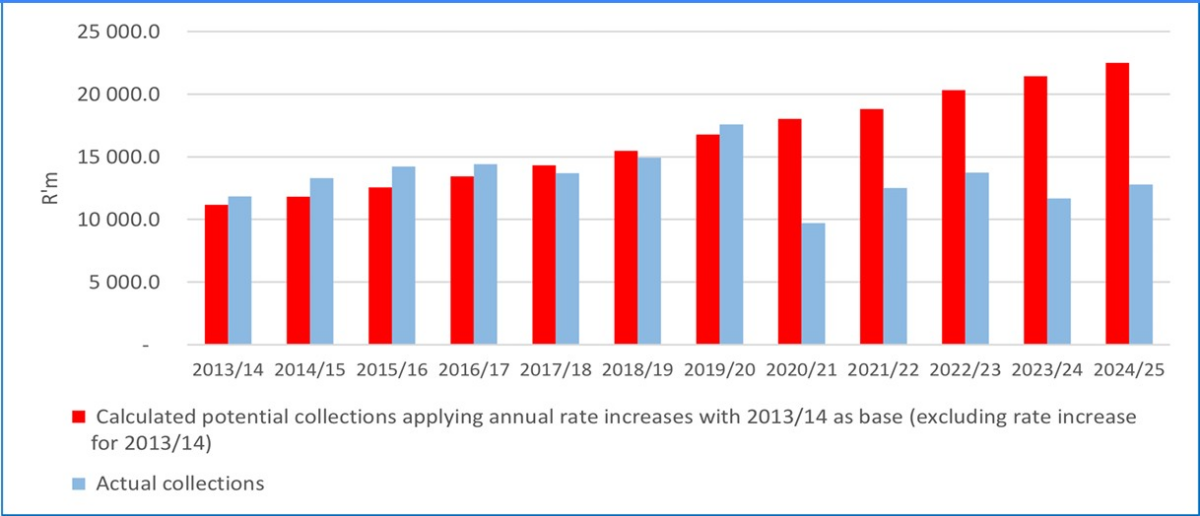
The data illustrates a staggering shift in the market structure before and after the pandemic lockdowns.
In 2019, illicit cigarettes accounted for roughly one-third of the market. By 2022, that figure had climbed to 58%, and current estimates suggest the illegal trade now controls between 60% and 75% of the entire sector.
The economic consequences of this explosion are profound.
A study by the University of Cape Town’s Research Unit on the Economics of Excisable Products found that the government lost an estimated R119 billion in excise and Value-Added Tax (VAT) revenue between 2002 and 2022.
Crucially, over 92% of these losses occurred after 2010, with the losses accelerating dramatically following the 2020 lockdowns.
Post-Covid, the gap in tax collection has reached approximately R40 billion, excluding displaced consumption.
BLSA currently estimates the annual cost to the fiscus in lost tax revenue at roughly R30 billion.
The South African Revenue Service (SARS) has admitted that the ban “significantly altered” the tobacco sector.
SARS Commissioner Edward Kieswetter explained that the ban pushed traditional crime cartels and gangs into the illicit cigarette trade, where they found the profits so immense that they were forced to develop sophisticated money laundering channels.
These syndicates have since diversified their illicit profits into other sectors, including illegal mining and property development, and have established partnerships with international criminal mafias.
The collapse of legal manufacturing
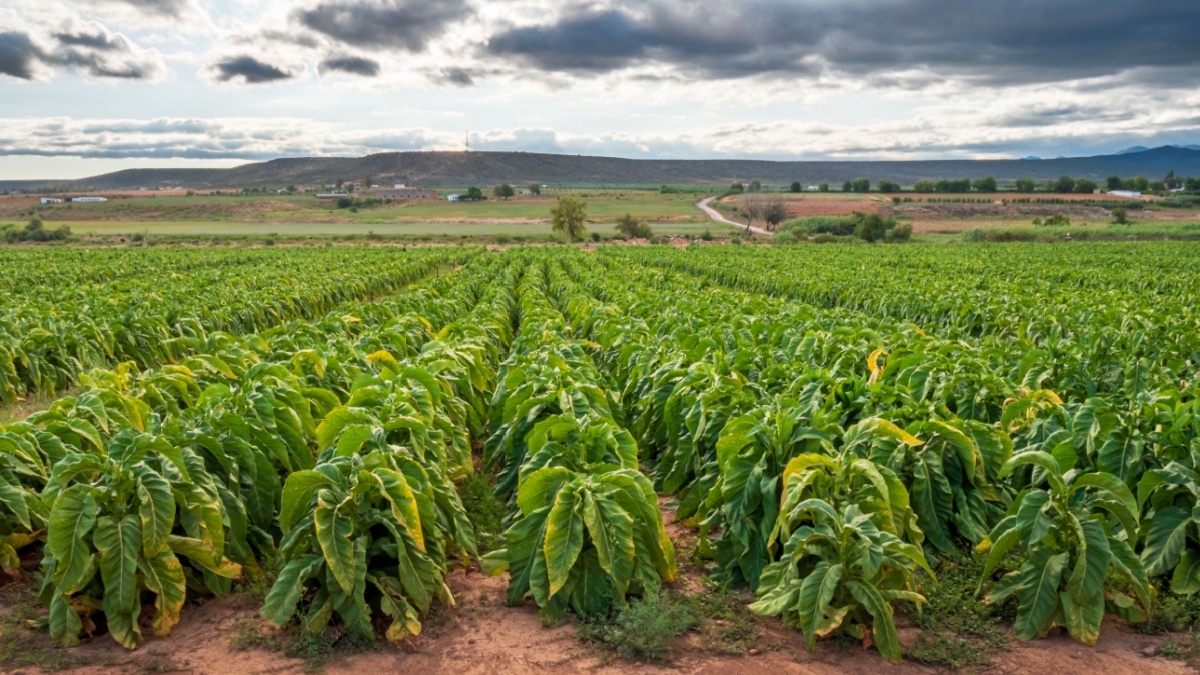
The long-term victim of this empowered black market is the legal manufacturing industry.
On January 15, 2026, British American Tobacco (BAT) announced it would close its Heidelberg factory, its only manufacturing plant in South Africa, by the end of the year.
In a statement explaining the closure, BAT laid the blame squarely on the unmanageable growth of the illegal trade.
“With approximately 75% of the South African cigarette market now estimated to be illicit, continued local manufacturing has become unviable,” stated Johnny Moloto, Head of Corporate & Regulatory Affairs at BAT Sub-Saharan Africa.
The Heidelberg facility, which had been operating for 50 years, was running at only 35% of its total capacity due to severe volume losses attributed to the illicit market.
The closure will result in the retrenchment of approximately 230 skilled employees.
However, the ripple effects are expected to be far wider, potentially affecting 35,000 jobs across the agricultural and retail value chain, including over 100 tobacco farmers in Limpopo, North West, and Mpumalanga.
A warning ignored

Industry giants say that the closure of the BAT factory is not merely a corporate restructuring; it is the capitulation of a legal industry to criminal enterprise, facilitated by government policy.
While BAT will continue to supply the South African market through imports, the local manufacturing capability is lost.
In her weekly BLSA newsletter, Mavuso said that the tragedy lies in the predictability of this outcome. SARS and industry bodies have long warned that the illicit trade was spiralling out of control.
SARS data showed that while tobacco consumption rose over the last five years, tax collection stagnated, a clear indicator of a market being swallowed by tax-evading operators.
The criminal networks emboldened by the lockdown ban have become so sophisticated that they now manipulate computerised banking systems to hide their tracks.
As the factory doors close in Heidelberg, South Africa is left to reckon with the cost of the 2020 ban: a hollowed-out tax base, a manufacturing sector in retreat, and a criminal underworld that is wealthier and more entrenched than ever before.
As Moloto warned, “If this can happen to a facility that’s been operating for 50 years, it can happen to anyone”.







 Loading ...
My only regret is those who will lose their employ, other than that Bat can take their cancer sticks back to Europe & US. If we are so eager to kill ourselves slowly then let it be on our own accord. Let’s make our own cigarettes & trade amongst ourselves as Africans. We can’t always want foreign things in our country, leading to these 1st worlds thinking they can come and bully us, want to control our policies and eventually take over our nation. I don’t blame Nkosazana for her decisiveness, no one knew covid, no one knew effects of smoking during that time. Why are we always so hard on our leaders? Australia banned e-cigarettes and no 1 in that country made it an issue. But here ministry takes a decision we complain, they don’t take decisions we call them weak, what do South Africans want, Hai mann! If you think you can do better campaign for national elections or shut the F up. Whaut I have noticed about people who always blame our leaders are whites & always support that ignorant orange face buffoon. If you are not happy in this country and not willing to put an effort to improve the nation but rather complain about everything vacate to US please!