
South African ministers ignored hundreds of questions in 2025



Members of the South African Parliament have left over 400 parliamentary questions unanswered in 2025.
According to the Parliamentary Monitoring Group (PMG), a total of 7,351 questions were asked in Parliament this year. Of these, 404 were not responded to.
2025 marked the first full year of the Government of National Unity. The number of questions asked was a significant increase from 2024.
In 2024, PMG reported that only 2,478 questions were asked, and of these, 573 were left unanswered.
The Minister who left the highest percentage of their questions unanswered was Minister in the Presidency Khumbudzo Ntshavheni.
Ntshavheni was asked a total of 137 questions but left 50 of these, or 36%, unanswered.
The Minister came under fire earlier this year when she refused to answer questions about her travel costs after posting her travels to Brazil, Russia, and Ethiopia on X.
Ntshavheni instead referred the question to the Joint Standing Committee on Intelligence, which makes her reply confidential.
Ironically, the department with the second-highest portion of unanswered questions was that of Communications and Digital Technologies, under Minister Solly Malatsi.
Malatsi left 51 questions unanswered in 2025, or 30% of the questions posed to him.
This is while some members of Parliament, including President Cyril Ramaphosa and Deputy President Paul Mashatile, managed to reply to all questions.
Minister of Correctional Services Pieter Groenewald, Minister of Health Aaron Motsoaledi, and Minister of Home Affairs Leon Schreiber also had perfect records for replying to questions in 2025.
The key to holding MPs accountable
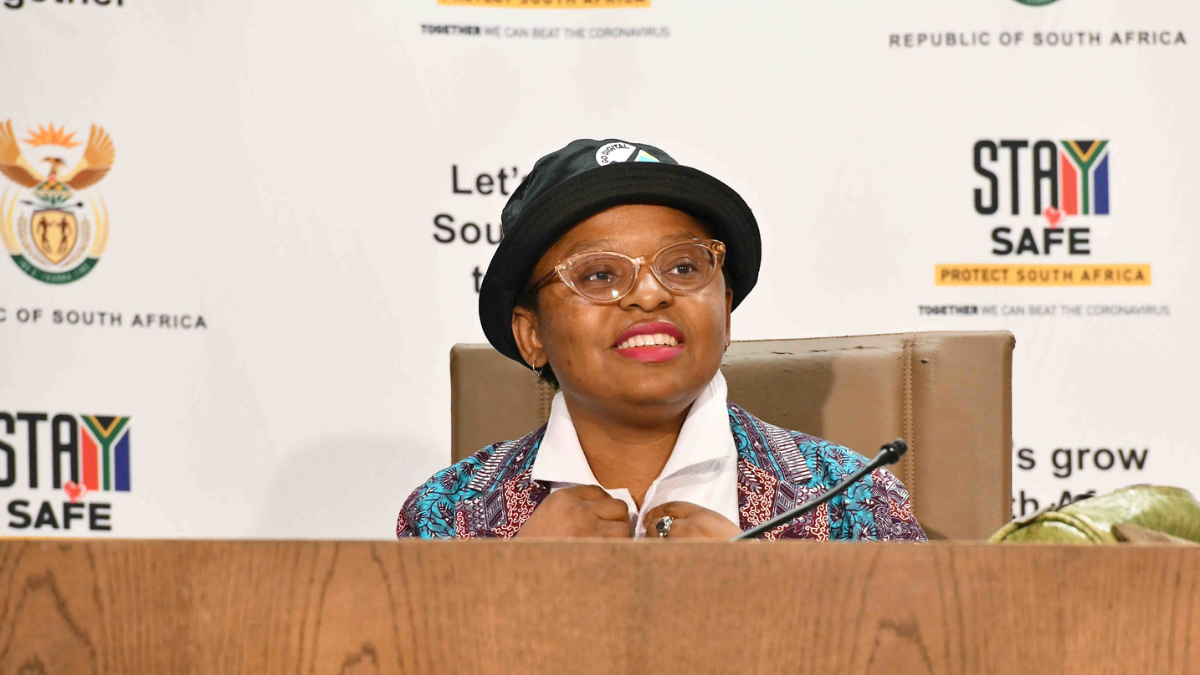
PMG said that parliamentary questions are a key mechanism for holding members of Parliament accountable.
“In South Africa, the procedures governing questions are set out in both the Rules of the National Assembly and the Rules of the National Council of Provinces,” PMG explains.
Members of Parliament are restricted to posing three questions per week maximum and are required by law to reply to written questions within 10 days, with extensions possible.
Of all political parties, the Democratic Alliance (DA) asked the most questions in 2025, at 32%. This was closely followed by the Economic Freedom Fighters (EFF), who asked 29% of all questions.
The uMkhonto weSizwe Party takes third place, having asked 10% of all questions. “Interestingly, parties within the GNU accounted for more than 55% of all questions asked,” PMG said.
The Minister of Police was asked the most questions, receiving 534 questions in 2025, or 8.1% of all questions. Of these, 53 remain unanswered.
The abundance of questions for the Minister of Police is unsurprising, as the position has been implicated in KwaZulu-Natal Police Commissioner Lieutenant General Nhlanhla Mkhwanazi’s allegations of corruption and political interference in the criminal justice system this year.
The allegations prompted the formation of the Madlanga Commission of Inquiry, and Senzo Mchunu was removed as Police Minister after being implicated in the corruption scandal and replaced by Firoz Cachalia.


 Loading ...