
Warning about unsafe water in a prominent South African town



The Witzenberg Local Municipality in the Western Cape has been thrust into the spotlight after community-led water quality tests in Tulbagh found the water unsafe for consumption without treatment.
Home to over 100,000 people, Witzenberg is located an hour and a half’s drive away from Cape Town and is nestled in the Cape Winelands District.
It consists of the five towns of Tulbagh, Ceres, Wolseley, Op-die-Berg, and Prince Alfred’s Hamlet.
WaterCAN, a civil society initiative advocating for safe and equitable water in South Africa, was contacted by residents in Tulbagh after they noticed changes in water quality and experienced health concerns.
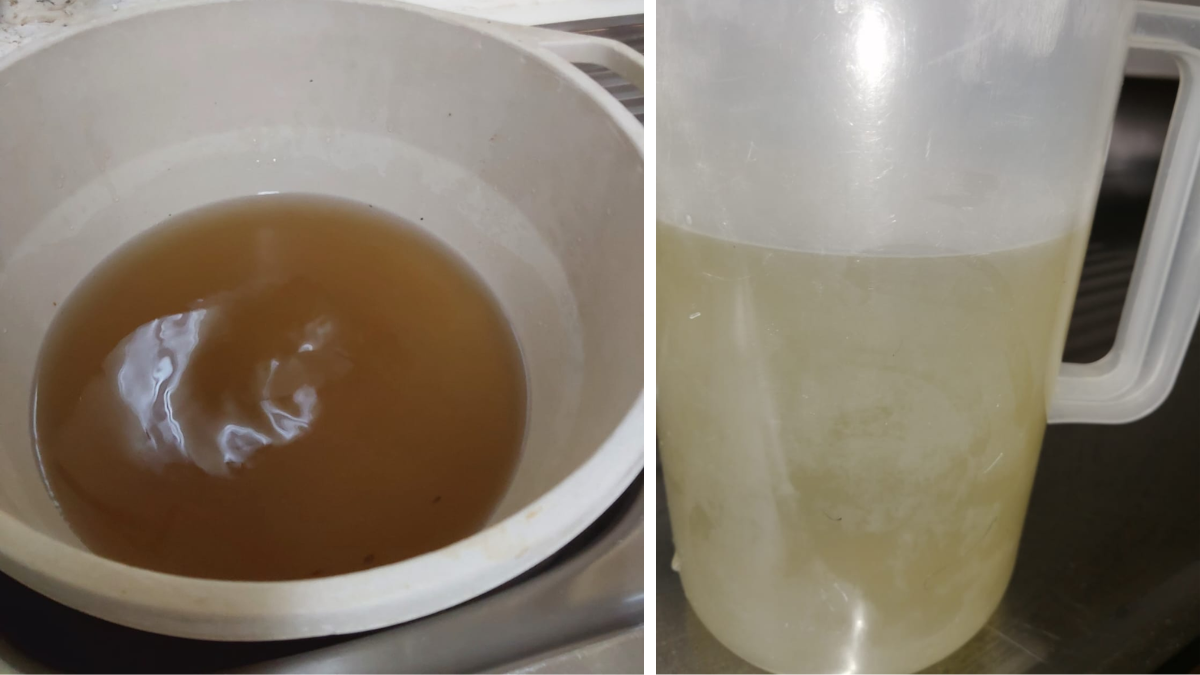
Newsday also received complaints from residents citing “rotten water,” with concerns also shared on social media.
Despite mounting online pressure, the municipality has not publicly addressed the recent issue as of yet.
In response, WaterCAN supported community-led sampling and conducted several water quality tests using the iLab testing kit routinely applied as a preliminary indicator for drinking water safety.
The civil society noted that the results showed that three tap water samples tested positive for total coliform bacteria.
This signals potential contamination and renders the water unsafe for consumption without treatment.
“When test results show the presence of coliform bacteria, it is a clear red flag,” said Dr. Ferrial Adam, Executive Director at WaterCAN.
“Safe drinking water is a constitutional right, and immediate precautionary measures are necessary to protect public health.”
WaterCAN is calling on the Witzenberg Municipality to:
- Issue a public boil water notice,
- Conduct accredited laboratory testing to confirm bacterial contamination and determine extent,
- Implement and communicate corrective measures urgently to resolve the source of contamination.
- Make the test results publicly available, and
- Provide water tankers or alternative supply – as a temporary measure – to ensure residents have access to safe drinking water until the issue is resolved.
“Transparency builds trust. Communities deserve to know the quality of the water coming out of their taps,” said Adam.
“The municipality must communicate clearly, take responsibility, and prioritise residents’ health,” she added.
Looking at the Department of Water and Sanitation’s 2023 Blue Drop Report, which monitors drinking water quality, there has been a marked decline in Witzenberg’s performance.
It went from receiving a score of 95.8% in 2014, to 81.0% in 2023.
Municipality response
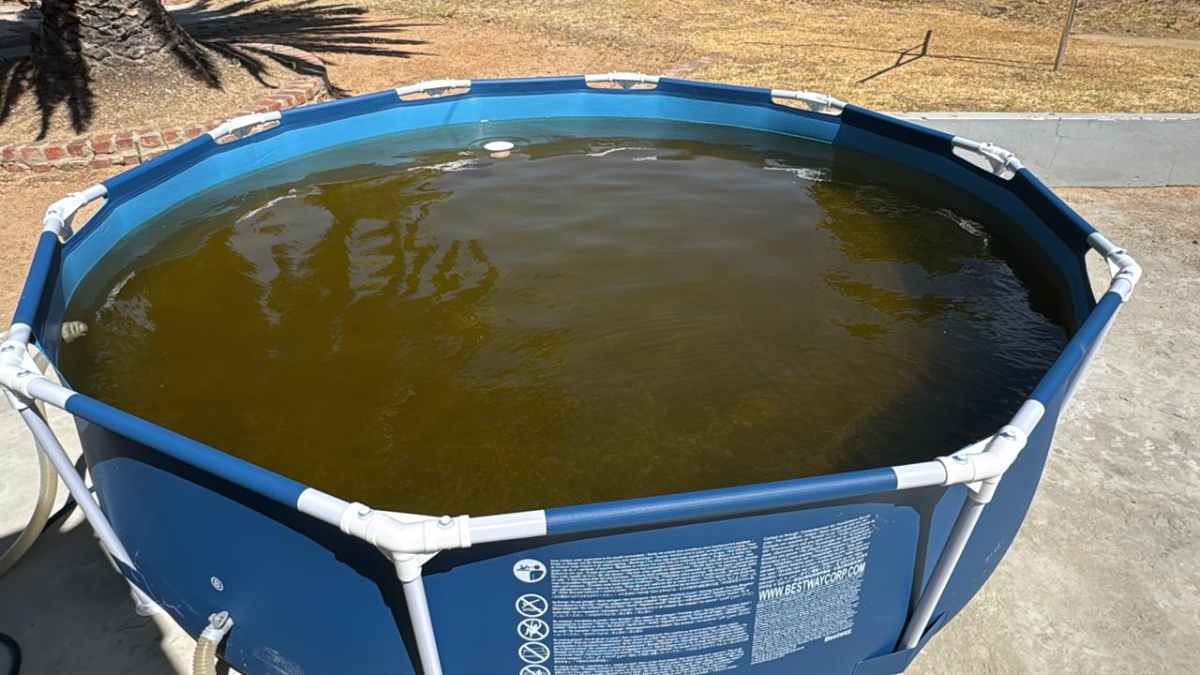
The municipality stated that it had received numerous complaints about Tulbagh’s water quality, including its brown colour and odour, but called posts on social media “misinformation.”
According to the municipality, it responded quickly by commissioning an independent service provider to collect and analyse water samples, which it said met SANS 241 safety standards.
It claimed that turbidity issues were linked to a new dam that became operational two years prior and was still “settling.” A similar problem reportedly occurred the previous year.
To meet increased demand during a heatwave, the municipality reopened a water pipeline that had been closed for ten months, and it believes sediment in this pipeline caused the recent discolouration.
The municipality said it began flushing the system on 5 December, with most areas already completed, and expressed confidence that this would resolve the problem.
It apologised for the inconvenience and asked residents for patience.
An area with a history of water woes
Tulbagh, in the Witzenberg Municipality, has faced chronic water quality and supply challenges since at least the early 2000s, worsened by droughts, ageing infrastructure, and overburdened wastewater systems.
Early investigations revealed severe inadequacies in surface and groundwater, while sewer blockages and untreated effluent have polluted rivers, contributing to health risks.
Nationally, over half of wastewater treatment plants fail standards, compounding local problems.
Recurring droughts, including in 2015, 2018, and 2024, have forced water restrictions, increasing reliance on riskier or untreated sources.
Complaints about taste, leaks, and supply interruptions are common, though the municipality provides a 24-hour reporting hotline.
Recent infrastructure efforts include the 2025, R113 million Tulbagh Bulk Water Supply Project, aiming to deliver 1.2 million cubic meters annually to 10,000 households, easing scarcity and indirectly supporting quality.
However, threats from vandalism, climate pressures, and ageing systems persist.
This article has been updated with comment from the municipality.







 Loading ...
The mcplty came to collect a water sample in an old, scratched, grubby bottle with an open top.
The independent lab sample was collected from me in a new, lab type sample jar.
In short, the Mcpl report of clean water is a lie. A full on lie. Tulbagh water is disgusting. It’s brown and it smells bad. My family drinks bought bottled water for the past 12 years.