
The major South African city expanding into the ocean



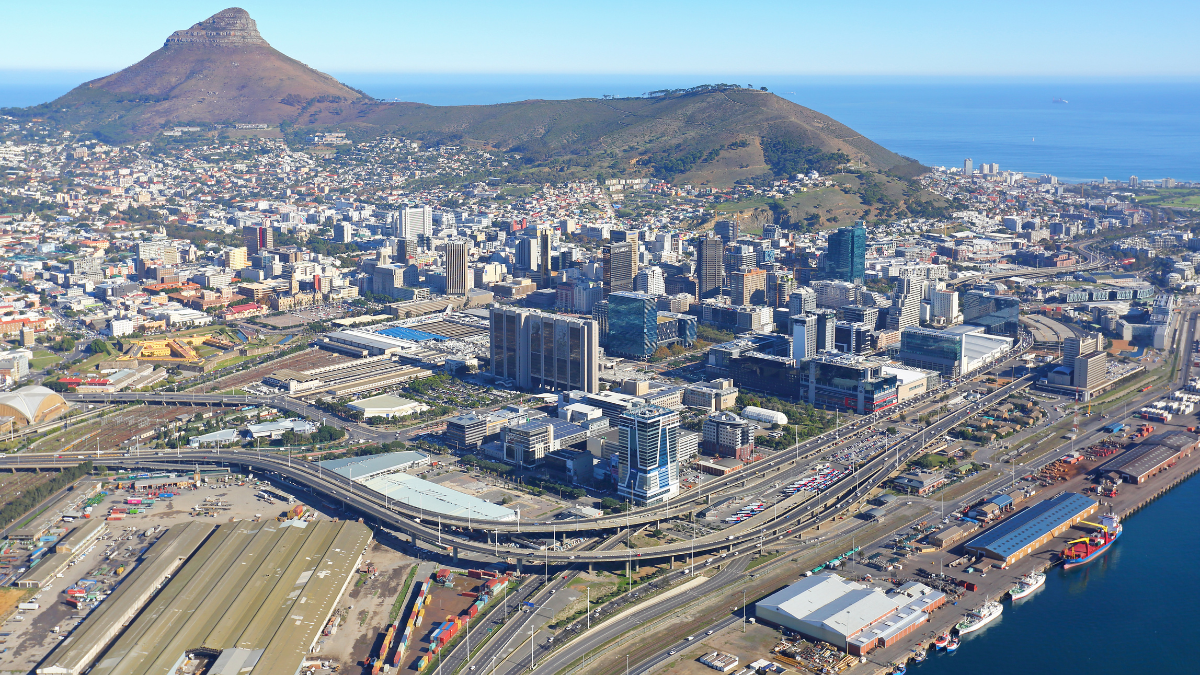
Constrained by Table Mountain, Cape Town’s need for expansion over the past two centuries has compelled it to extend into the Atlantic Ocean, with parts of the city’s CBD and its foreshore previously being part of Table Bay.
The expansion dates back to the beginning of South Africa’s colonial history, when Dutch navigator Jan van Riebeeck ordered the construction of a jetty in his attempt to establish a refreshment station for ships stopping at the Cape.
This seemed to suffice for the next two centuries. However, after over 30 vessels were wrecked due to the windy winter storms in June 1858, British insurer Lloyd’s of London refused to cover ships spending the winter in the Cape.
Two years later, Queen Victoria’s second son, Prince Alfred, who was serving as a midshipman in the Royal Navy, began constructing the breakwater for Cape Town’s first harbour. He was 16 at the time.
The harbour’s first basin, which took ten years to construct, became known as the Alfred Basin. The discovery of diamonds in 1867 soon required it to be expanded due to an increase in visiting vessels.
By 1920, the Victoria Basin was constructed to accommodate the ever-increasing number of travellers arriving at the tip of Africa, eager to claim their share of the area’s valuable minerals.
However, these two basins soon also became overwhelmed with ship traffic, and the city embarked on an ambitious project to construct what is today known as the Cape Town Foreshore.
The foreshore reclamation
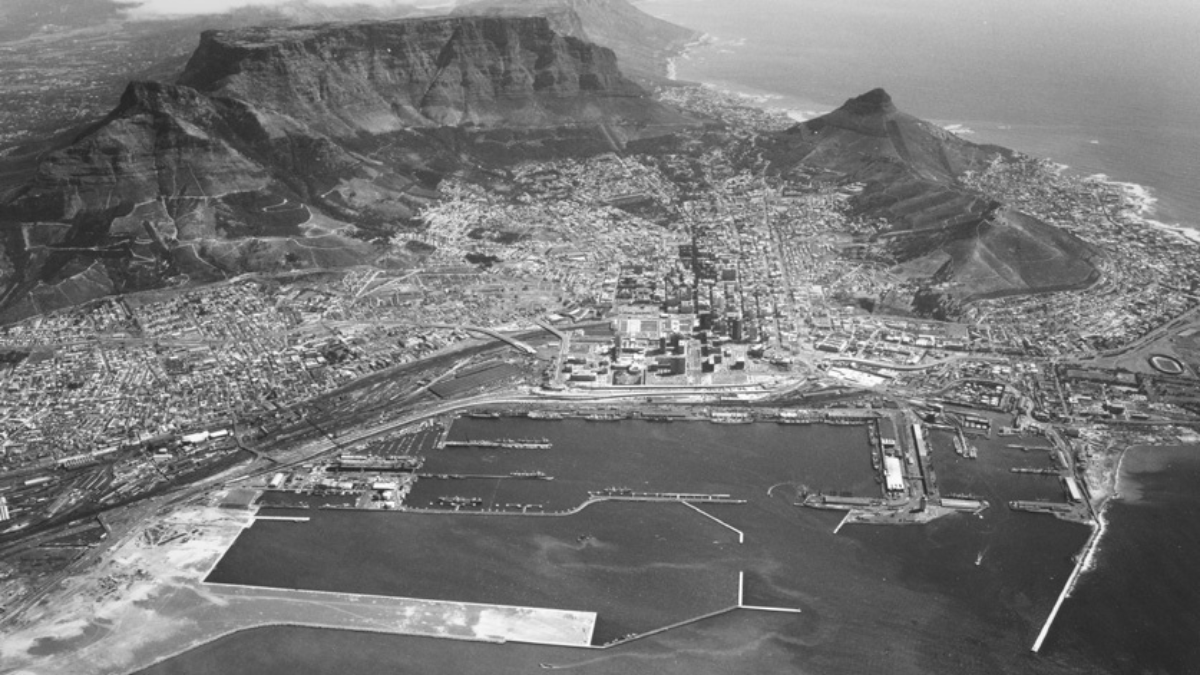
To achieve this, it was proposed that the shoreline be extended by over a kilometre to reclaim land nearly 200 hectares in size, equivalent to approximately 492 football fields. Two deep-water basins would then be built on the new shoreline.
Not only would the completed project allow for larger moorings, but it would also provide an area to develop infrastructure to accommodate the developing harbour and associated industries.
Two years after the project began in 1935, it was decided to construct a deep-water quay from the south arm of the Victoria Basin across to Woodstock Beach.
Dutch company Hollandsche Aannemings Maatschappij was contracted to carry out the project and brought a flotilla of 35 vessels to dam the open sea.
Once the quay had been built and the area dammed, the Dutch company began dredging the basin.
The team was led by Constantijn van Kretschmar van Veen, who led a team of 60 Dutch workers and roughly 360 Black, white, and coloured South Africans.
The land reclamation project was eventually completed in July 1945, following a delay caused by World War II.
The first facilities built on the new tract of land were the harbour warehouses and the Culemborg Railways Complex.
However, this only took up a small portion of the foreshore. Today, the area includes the Cape Town Convention Centre, Artscape Theatre Centre, and the Cape Town Civic Centre, which houses the municipal buildings.
For reference, the Castle of Good Hope was built just off the previous shoreline.
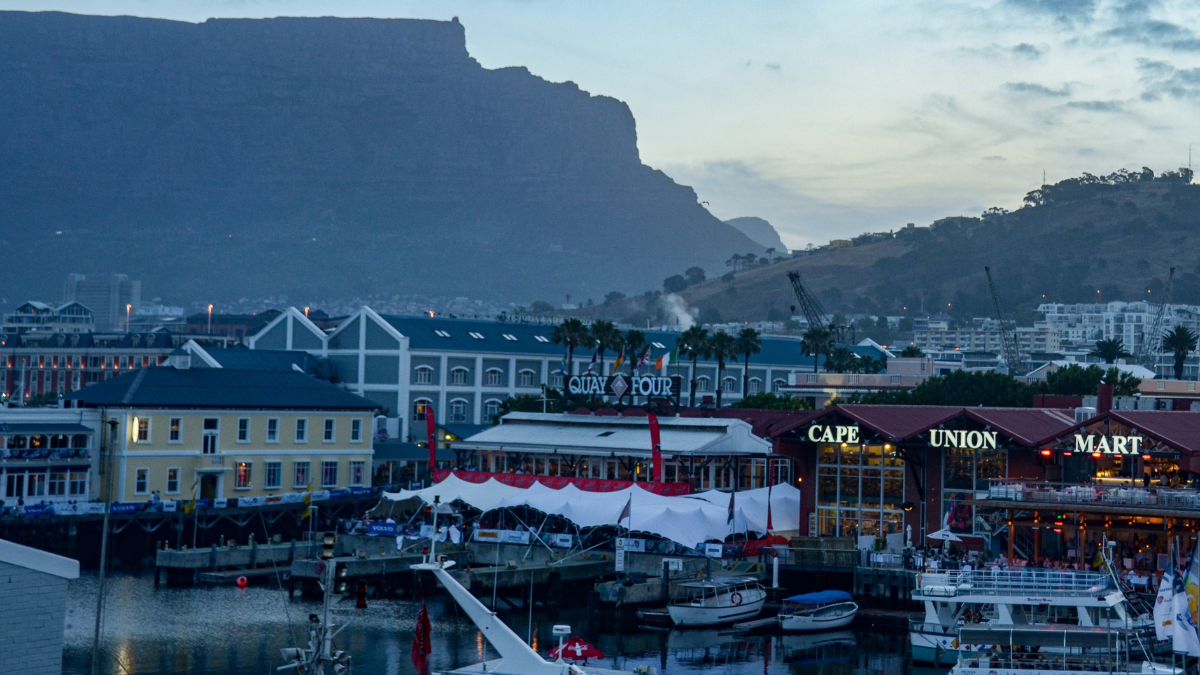
Now the City of Cape Town is planning another land reclamation project to expand the V&A Waterfront, which is estimated to cost R20 billion.
The project plans to reclaim approximately 3.2 hectares, or 440,000 square metres, of land from the sea to the west of the Waterfront, known as Granger Bay.
This will extend the east breakwater 140 metres out into Table Bay and push out the west breakwater by 90 metres.
The proposed land-based amenities will include an extension of the promenade, a slipway, a fixed quayside, a landscaped promenade, tidal pools, pedestrian paths, and open areas.
The project’s pre-application scoping report was made available to stakeholders and the public between 31 July 2025 and 1 September 2025.
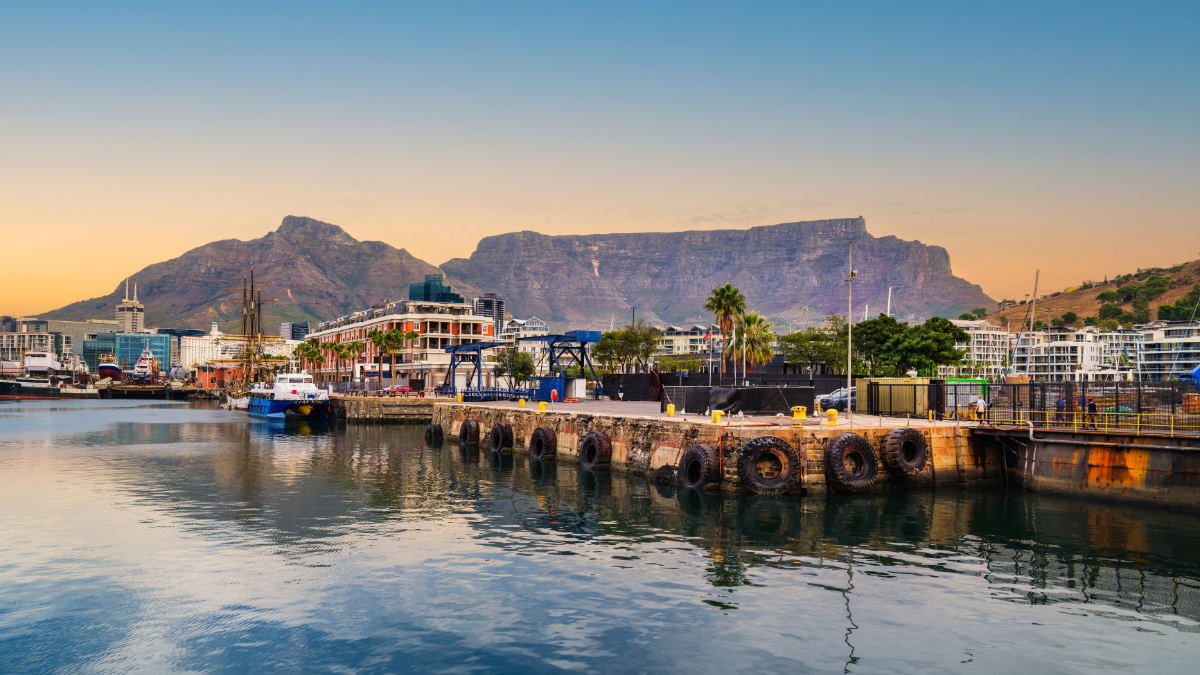
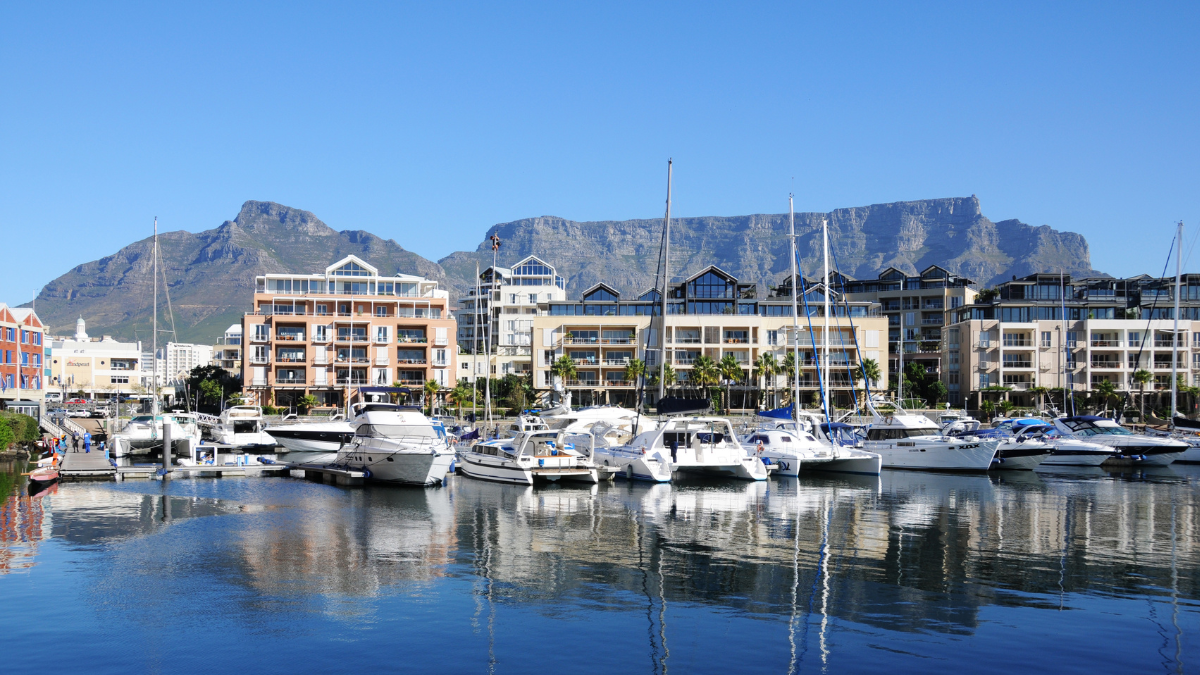
Being one of the city’s big six attractions, the V&A Waterfront is also one of Cape Town’s most lucrative tourist hotspots.
Spanning an area of approximately 123 hectares, it attracts over 24 million visitors annually and employs more than 21,000 staff members.
More images of Cape Town’s expansion
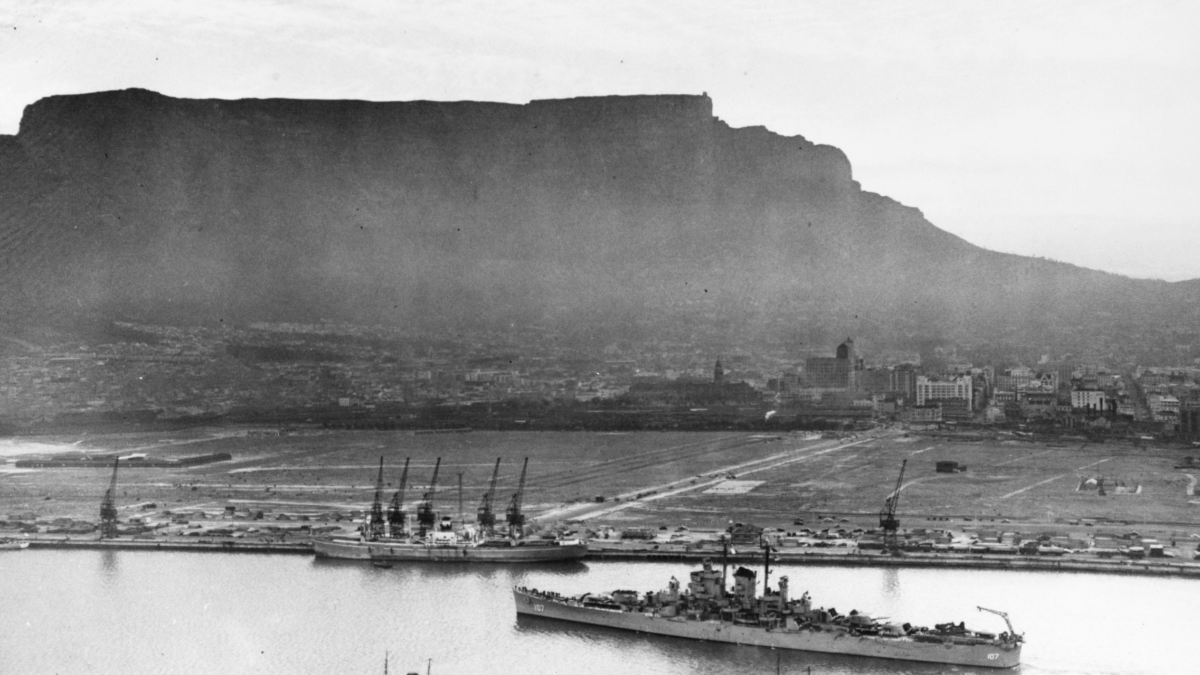
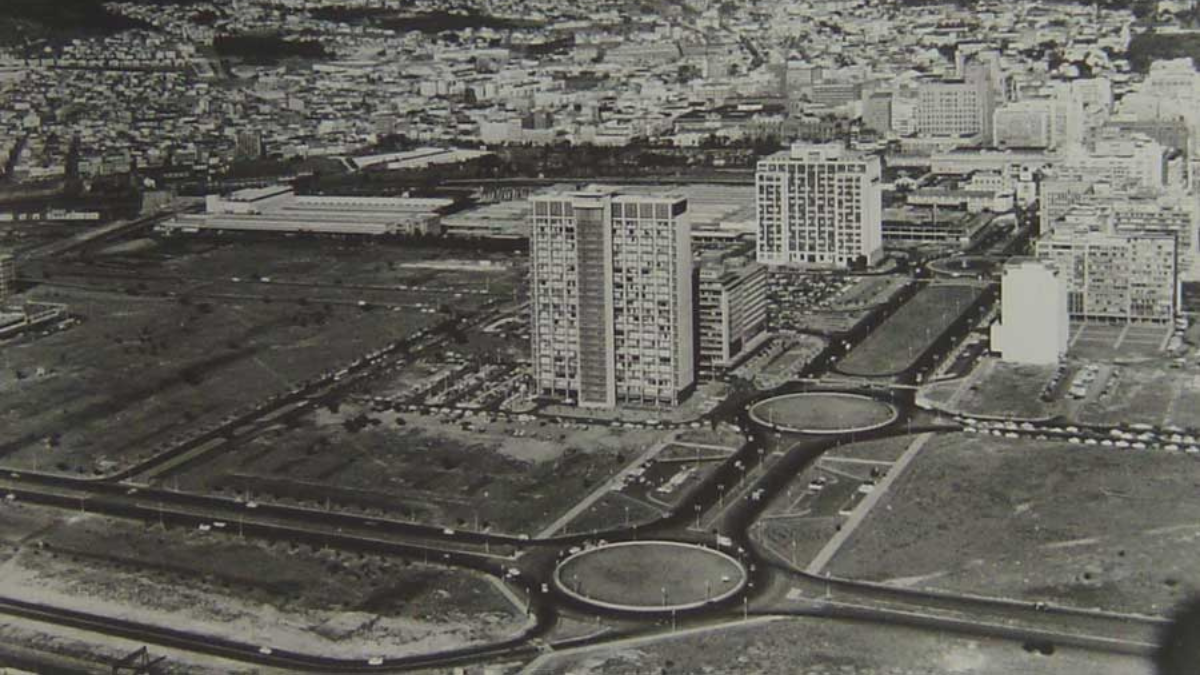
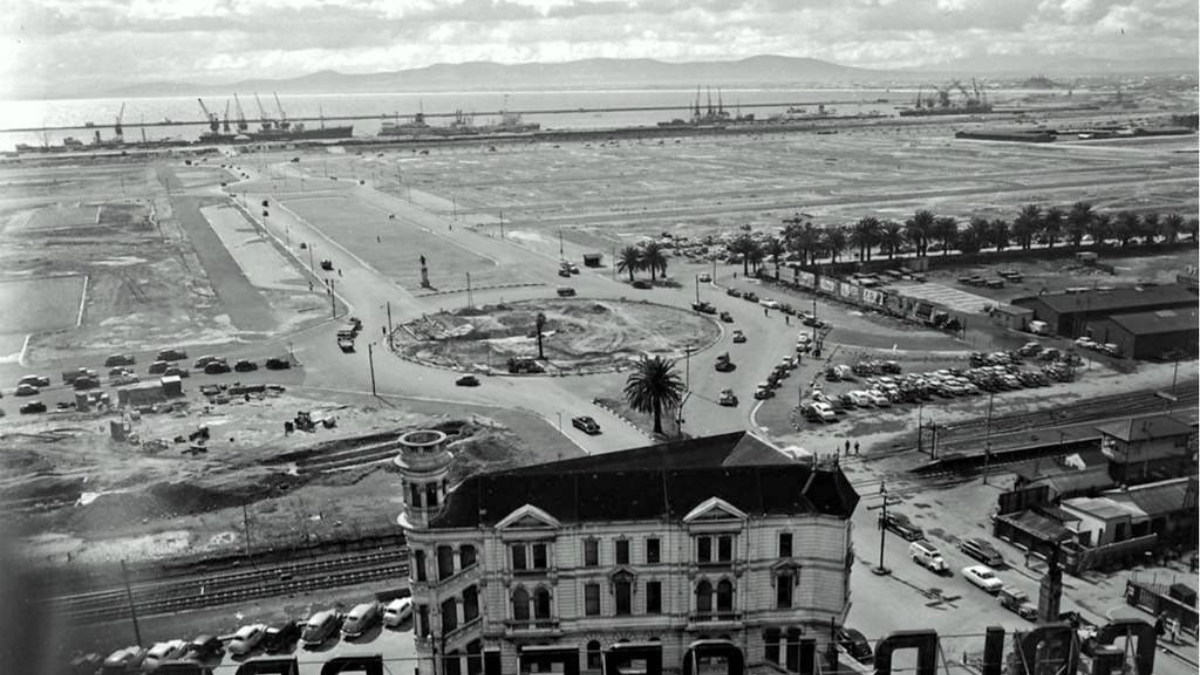




 Loading ...
Fact is, SA was never in a good state since its inception. No matter how much good it seemed to have made. Your country is only as rich as your people are and of course most people were poor and underprivileged and still today. Perhaps it is designed like this with the ANC to keep the country in a disarray and masses poor. After all, wouldn’t it be much easier to keep African heads of states wealthy and corrupt, keep the masses poor and keep Africa in turmoil just to continue extracting Africa’s wealth.