
The province in South Africa Parliament warns risks bankruptcy



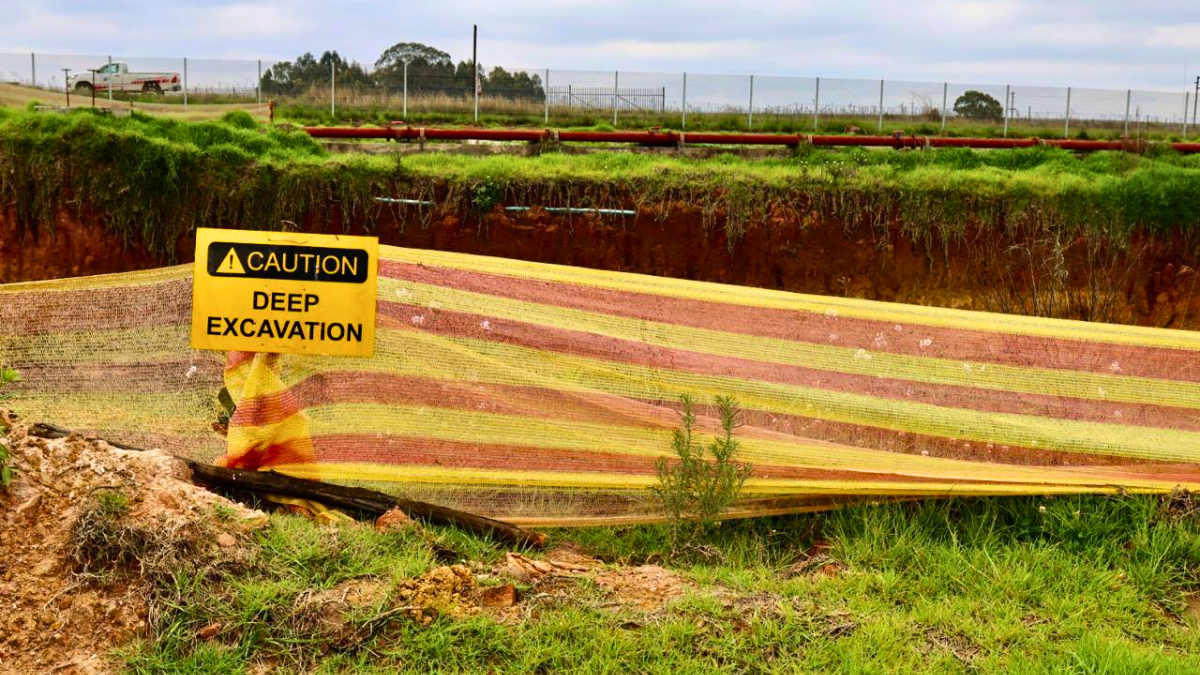
Delays in completing ever-increasingly expensive infrastructure projects and shoddy work by contractors risks bankrupting the Mpumalanga province.
This is the warning from a joint delegation of Mpumalanga permanent delegates to the National Council of Provinces (NCOP) and Members of the Provincial Legislature (MPLs).
ANC MPL Ngrayi Ngwenya stated that the province is losing money due to project completion delays in a completely unsustainable manner.
This often results in cost escalation and forces the provincial government to allocate additional funding to correct structural defects by shoddy contractors.
“Government is working backwards; this wastage will bankrupt our province,” said Ngwenya.
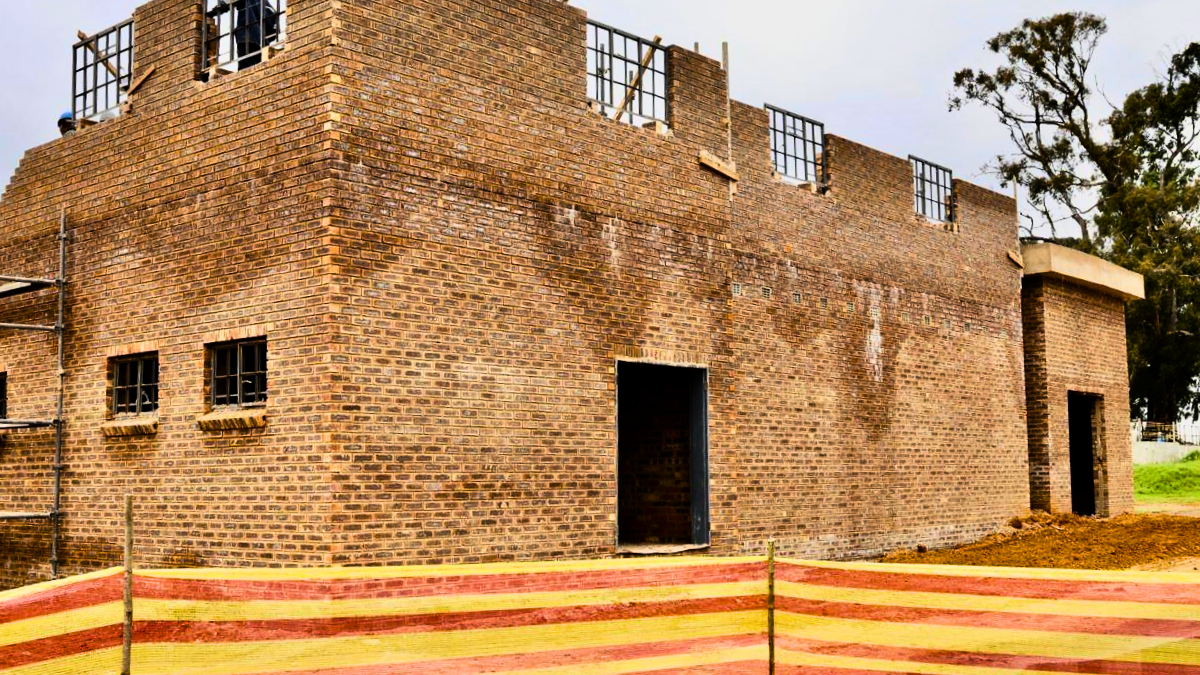
The MPL used their recent oversight visit to the Mpumalanga High Altitude Training Centre (MHATC) in the Emakhazeni Local Municipality as an example.
The MHATC is a sporting academy which will have all sporting codes promised to enhance the competitiveness of athletes and boost sport tourism in the Mpumalanga province.
The total cost of the entire project is estimated at R450 million of taxpayer funds. It is overseen by provincial Departments of Public Works and Transport and Sports, Arts and Culture.
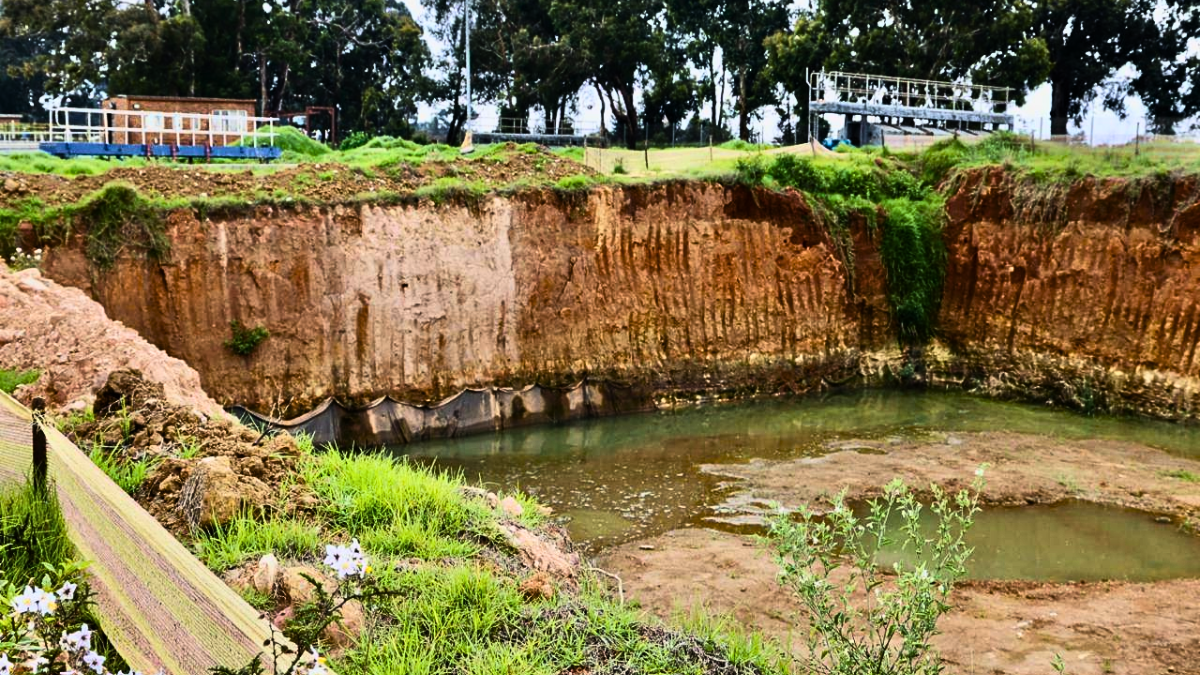
The scope of the MHATC project consists of construction, bulk water pipelines from the treatment plant to the new 7Ml reservoir and to the MHATC, a new 7 megaliter concrete water reservoir, bulk sewer mains and pump stations, bulk electrical infrastructure, and roads infrastructure.
While the reservoir is expected to be completed in March next year, there has been little progress in the construction of the waste water treatment plant, with R29 million of the total R82 million spent so far.
Ngwenya lamented the cost escalations and structural defects by shoddy contractors.
“There are also many examples of leaking water reservoirs across the province that cannot be used and require additional funding to be fixed,” said Ngwenya.
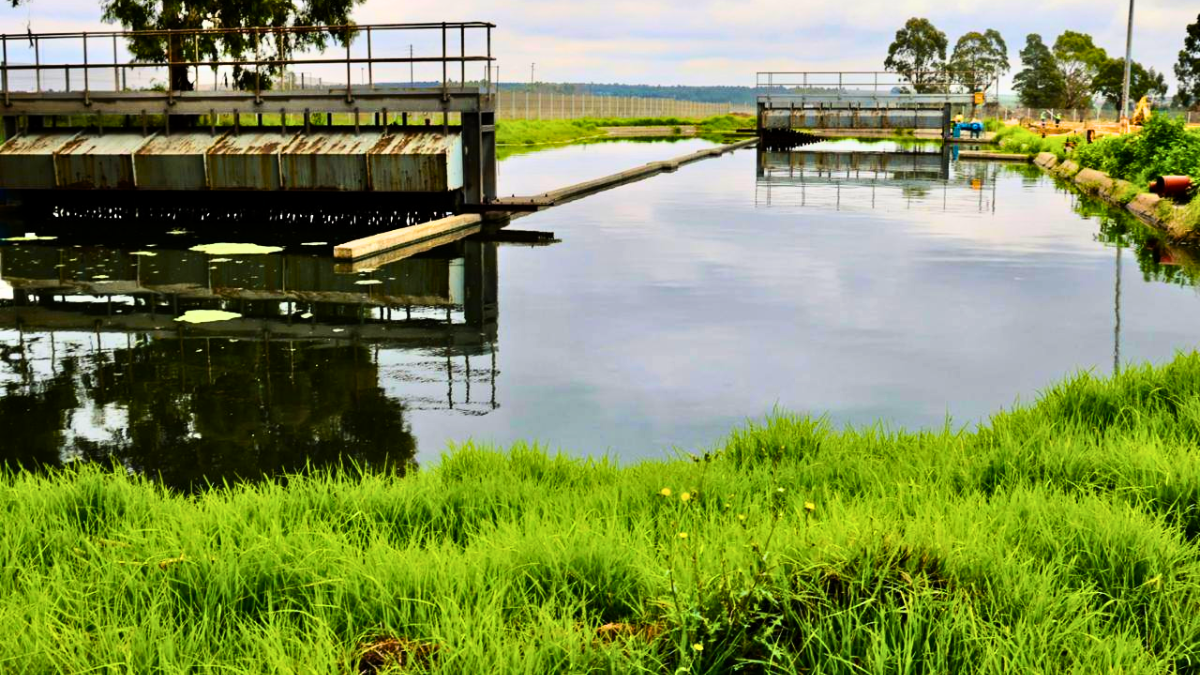
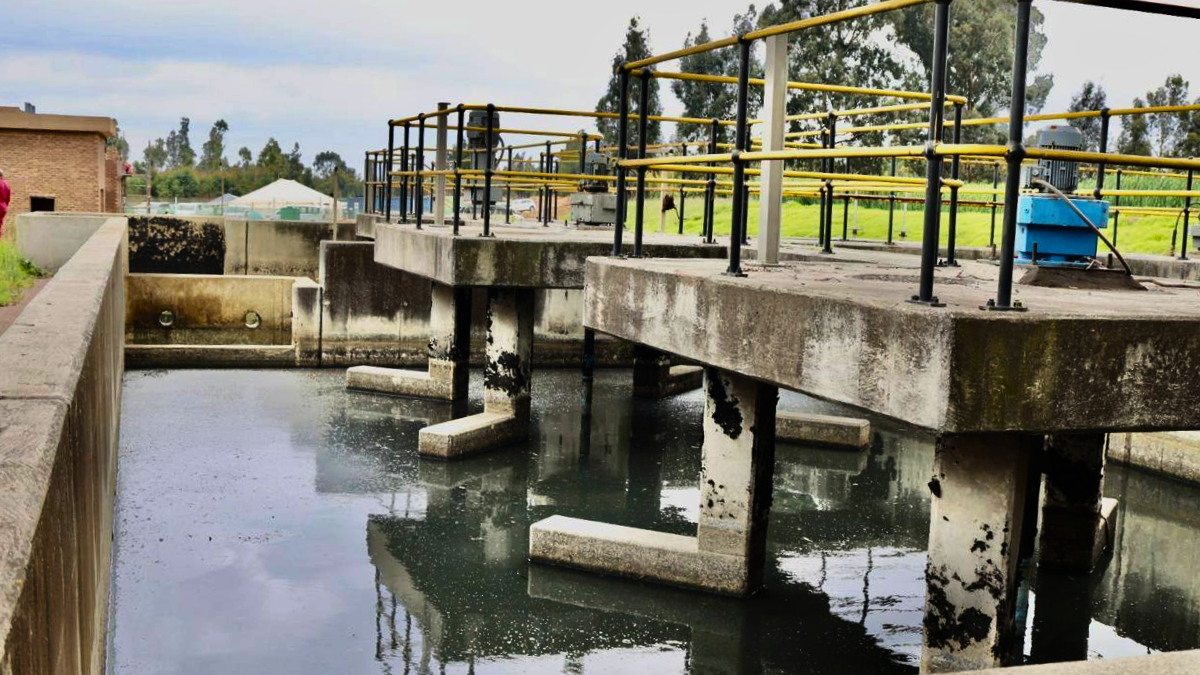
The delegation also heard that the existing wastewater treatment plant is not performing to the required standards, which leads the municipality to release untreated effluent into the natural environment.
“Environmental non-compliance, such as releasing untreated effluent into our rivers and streams, is criminal. This situation must be urgently addressed,” said NCOP permanent delegate Sonja Boshoff.
Acting delegation leader Patrick Sibande called for better planning and budgeting, as well as improved monitoring and evaluation.
Sibande also condemned the late payment of contractors over the stipulated 30-day period, which has contributed to the delays.
Projects are ‘going to be world class’
Morake Morolo, the head of department for the provincial Department of Public Works and Transport, said that “it is going to be world class and would include a sports academy with all the sporting codes, a boarding school, entertainment areas and a hotel.”
“The altitude in the area is one of the best. Feasibility studies show that this is a viable concept and will attract international athletes.”
Responding to members’ concerns about the delays, Morolo said that ‘not all delays were bad and that good things take time.’
His counterpart from the Department of Culture, Sport and Recreation, Mxolisi Mahlangu, said the project has been spread over years due to a limited budget, but each fiscal year the department allocates funds toward the project.
Auditor General’s red flags
The Auditor-General of South Africa’s latest audits reinforce the NCOP’s warnings that Mpumalanga’s infrastructure challenges are part of a broader national governance crisis.
Annual MFMA and PFMA findings repeatedly flag delays, poor workmanship, and weak financial controls in the province’s projects: problems that threaten to strain Mpumalanga’s R66 billion budget.
According to the AGSA’s 2023-24 MFMA Consolidated General Report, 87 of 113 audited infrastructure projects nationwide had significant findings, largely due to poor planning, inadequate maintenance, and non-compliance.
Nationally, only 13% of municipalities achieved clean audits, while irregular and fruitless expenditure climbed into the billions, driven by non-competitive procurement and poor contractor oversight.
These trends mirror Mpumalanga’s own problems: unusable reservoirs, failing wastewater plants, road and hospital overruns, and long-stalled capital projects such as the High Altitude Training Centre.
The AGSA warns that project delays, affecting 52% of audited infrastructure, are a major source of cost escalation, while poor workmanship continues to force expensive rework.
Overspending remains acute in infrastructure-heavy departments, with the national fruitless expenditure tally reaching R4.74 billion.
Mpumalanga’s fiscal pressures are compounded by municipal debt and chronic under-maintenance of water systems.
Though some municipalities have improved through provincial interventions, the AGSA notes that systemic weaknesses persist.
It recommends stronger internal controls, timely reporting, enforcement of contractor penalties, and better monitoring of infrastructure spend: areas directly aligned with the NCOP’s calls for tighter planning and accountability.





 Loading ...
This is exactly what you get when the Government insists on using BEE Contractors that do not have the skill or equipment to get the work done on time and on budget.
So another waste of Taxpayers money.