
South African government leaves Highgate Hotel Massacre victim out in the cold



The Foundation for Human Rights (FHR) has bemoaned the South African government’s handling of the request for essential care for Neville Beling.
Beling is a survivor of the 1993 Highgate Hotel attack in East London and a Truth and Reconciliation Commission (TRC) recognised victim of gross human rights violations.
The FHR notes that Beling, who has endured over 40 surgical procedures, remains without the critical medical support he desperately needs and was assured.
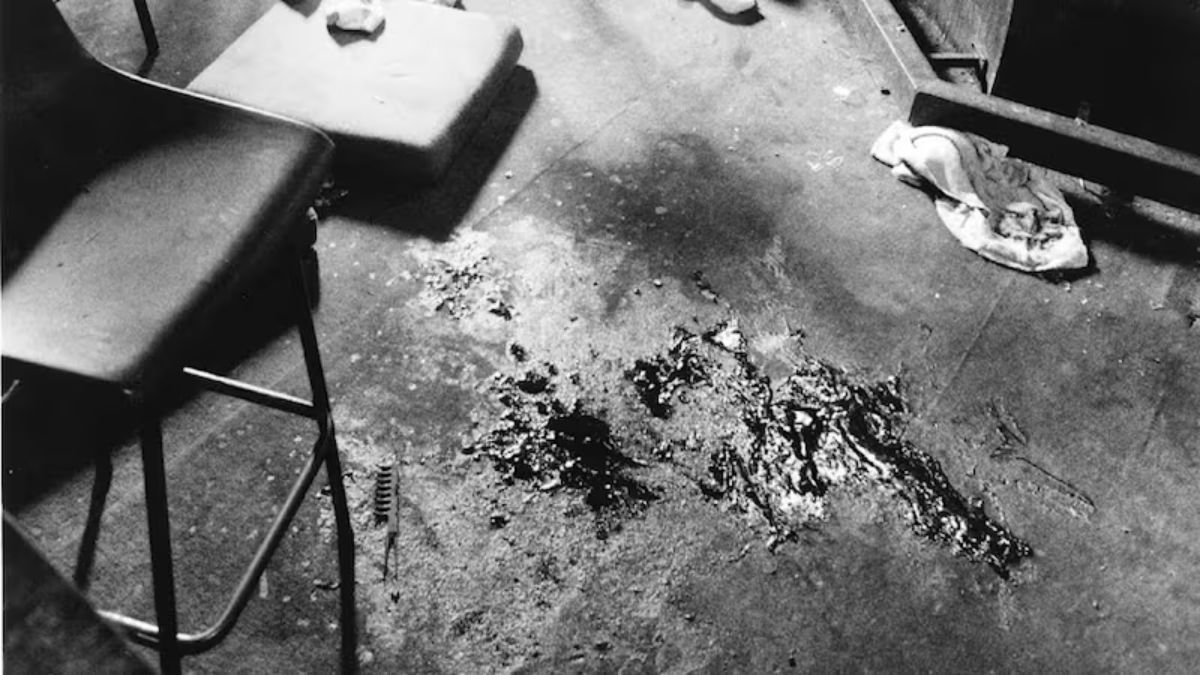
At approximately 10 pm on the night of 1 May 1993, the Highgate Hotel bar in East London became the site of a brutal and unresolved attack.
At least two armed assailants wearing balaclavas entered the hotel and opened fire with AK-47 rifles, also deploying a hand grenade and a teargas canister.
Stanley Hacking, Douglas William Gates, Royce Michael Wheeler, Deon Wayne Harris and Deric John Whitfield were murdered.
Seven other people were seriously wounded, suffering permanent injuries and disabilities in what became known as the Highgate Massacre.
The TRC initially attributed the attack to the Azanian People’s Liberation Army (APLA), the armed wing of the Pan Africanist Congress (PAC). However, this claim has since been challenged.
The Highgate investigation was initially closed in 1996, after police felt that all investigations were fruitless, said Daryl Els, a former Senior Special Investigator from the Scorpions.
“I received many threats for being involved in the case, prompting me to stop,” Els added.
“Because what I saw at Highgate started haunting me, I tried to get the TRC to investigate the case again because APLA members were applying for amnesty but none were taking responsibility for the massacre,” Els says.
To date, no individual or organisation has claimed responsibility for the 1 May 1993 attack, and no amnesty applications were submitted to the TRC for it.
“The TRC gave people a chance to get amnesty but since no one has been accountable for the massacre, the perpetrators will have to be brought to book and prosecuted,” the National Prosecuting Authority said in 2007.
Despite testimonies from three survivors and two victims’ families during the TRC hearings in East London, no inquest was ever held, and no arrests were made.
One of the victims of the massacre, left severely injured, was Beling. He has endured over 40 surgical procedures and died on the operating table three times, requiring resuscitation each time.
In a statement by the FHR on 17 November, they noted that Beling remains without the critical medical support he desperately needs and was assured.
“The ongoing deterioration of his health means he can no longer live independently or attend to his personal needs, requiring daily assistance and access to frail care, which is not covered by his medical aid,” said the FHR.
Government leaves victims high and dry
The FHR said that despite over a year-and-a-half of persistent efforts and numerous follow-ups with multiple government departments, Beling remains without medical care.
This includes back and forths with the Department of Justice and Constitutional Development (DOJ&CD), and the Department of Social Development (DSD).
“We call on the DOJ&CD and the DSD to give this matter the urgent attention it deserves and to fulfil their obligations under the Constitution and the Promotion of National Unity and Reconciliation Act 34 of 1995.”
Under the government’s interpretation of the TRC Act and Recommendations, victims of gross human rights violations are entitled to reparations.
This includes a one-time payment and benefits in medical, education, housing, and community support.
“We believe that these have been considered by the DOJ&CD on an ad hoc basis, with focal points appointed in the Departments of Health, Social Development, and other relevant departments,” said the FHR.
“It is incomprehensible that, under a democratic dispensation and more than 20 years after the closure of the TRC, victims of apartheid-era gross human rights violations continue to struggle for the realisation of their right to reparations and remain in precarious situations.”
“The government’s failure to put measures in place to ensure access to reparations for victims recognised by the TRC violates their right to an effective remedy and reparation,” added the FHR.
Legal battles
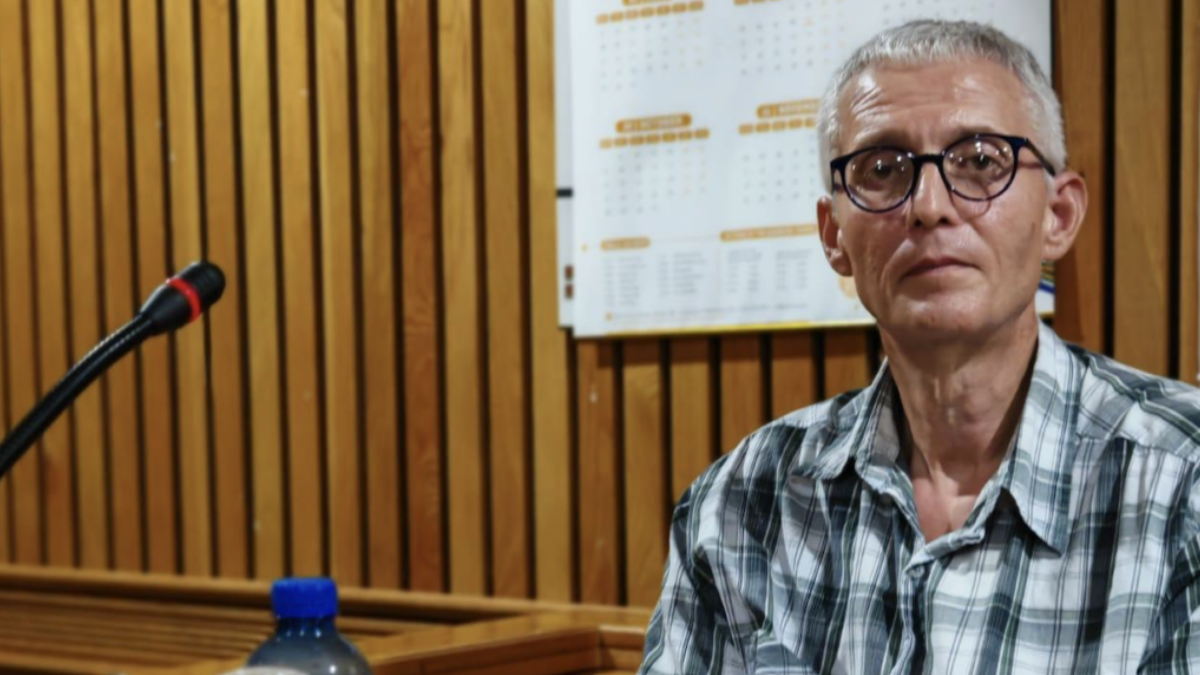
Since April 2024, the FHR and Cliffe Dekker Hofmeyr (CDH) have been seeking support from the President’s Fund and the Department of Justice to cover Beling’s frail care.
The timeline of efforts includes:
- April 2024: Initial request submitted to the President’s Fund and the DOJ&CD.
- August 2024: After sustained engagement, the DOJ&CD referred the matter to the National Department of Health (DOH).
- September 2024: CDH contacted the DOH, receiving acknowledgement that Mr Beling’s case had been discussed previously within the Department. However, the DOH has been unreachable since 30 September 2024 despite repeated follow-ups.
- October 2024: A PAIA request revealed that records of the President’s Fund’s previous support for Mr Beling (nursing care provided in 1994/1995) were no longer in the DOJ&CD’s custody, and the request was transferred to the Department of Social Development (DSD).
- November 2024: Following FHR intervention, the matter was referred to the DSD in East London.
- Early 2025: The DSD East London conducted a home assessment. A social worker completed a report and submitted it to management for a decision.
- July 2025: FHR was advised that the report had been finalised and would be sent to the DSD Eastern Cape provincial office for decision. However, confirmation of transmission and any decision remain elusive.
- September-October 2025: Multiple attempts to contact DSD East London management have been largely unsuccessful.
- October 2025: The TRC Unit within the DOJ&CD were formally requested to intervene with the DSD East London office to obtain a progress update. Despite follow-ups, there has been no further response from the DOJ&CD.
The FHR said that despite these extensive efforts, Beling still does not have access to the care he urgently requires.
“As he continues to be passed between government departments while his health deteriorates.”
“His situation reflects a profound failure of our post-apartheid commitment to supporting victims of gross human rights violations,” concluded the FHR.
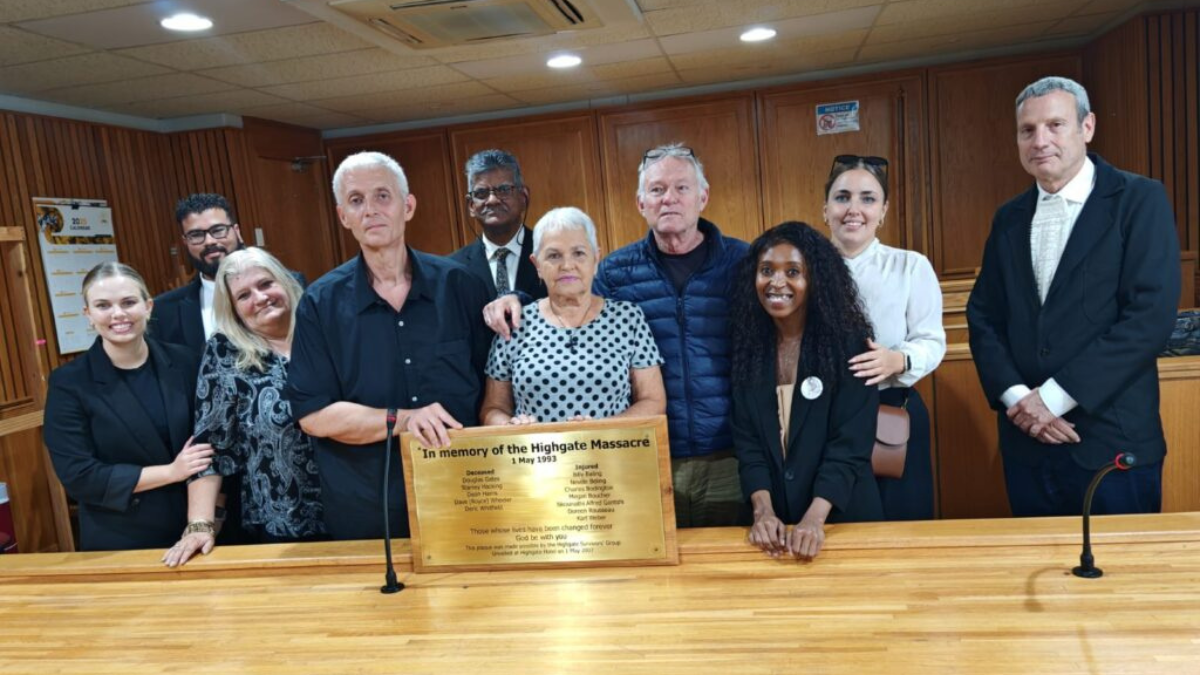
Survivors and families of the deceased formed the Highgate Survivors Group in 2007, continuing their advocacy for truth and justice.
The DOJ&CD did not respond to multiple queries from Newsday by time of publication.
Khampepe Commission
The calls from FHR come amid a commission of inquiry investigating TRC-related crimes, established by President Cyril Ramaphosa to investigate allegations of political interference in the investigation and prosecution of apartheid-era crimes.
Chaired by retired Constitutional Court Justice Sisi Khampepe, it aims to determine if any attempts were made to obstruct the justice system regarding these cases.
Its work is distinct from the original TRC, as it focuses specifically on interference in prosecutions, not on individual human rights violations themselves.





 Loading ...
Thank you for highlighting this case. It’s disgraceful, but unsurprising.