
South Africa plans to revive disastrous R12 billion nuclear energy project



The Minister of Electricity, Kgosientsho Ramokgopa, has detailed plans to revive the Pebble Bed Modular reactor (PBMR) project, despite a lack of skills, investment and 16 years of lost time.
Speaking to the media on Sunday, 16 November, Ramokgopa addressed criticism relating to the PBMR project, particularly a lack of skills and funding.
The minister acknowledged that South Africa has lost critical time and skills for the project, but says that the country can “catch up” with global leaders like China.
The DA’s Spokesperson on Energy and Electricity, Kevin Mileham, said following the press conference that the plan is “simply out of reach for South Africa.”
“We cannot afford it, nor will it fix the shortfalls we face today,” said Mileham.
A PBMR is a helium-cooled, high-temperature reactor. The technology was first invented in Germany, but South Africa became a world leader in the commercial development of its own version of the reactor in the early 2000s.
A PBMR is cooled with helium instead of water; this opens up possibilities for building nuclear power stations away from the coast.
The technology is small and adaptable, and can be used as both base-load power or as a load-following station and can be configured in size depending on the community it serves.
Eskom began investigating the technology in 1999 to replace coal-fired power stations that are due to be decommissioned from 2025.
The power utility also imagined the technology could replace its use of Open Cycle Gas Turbines (OCGT) by placing the reactors at points of demand to accommodate short, sharp peaks in demand.
At its inception, it was imagined that Eskom would operate 24 modules generating 165 MW each.
However, the project was shelved in 2010 before any reactors were built, and after R12 billion was spent on its development.
R12 billion and nothing to show for it
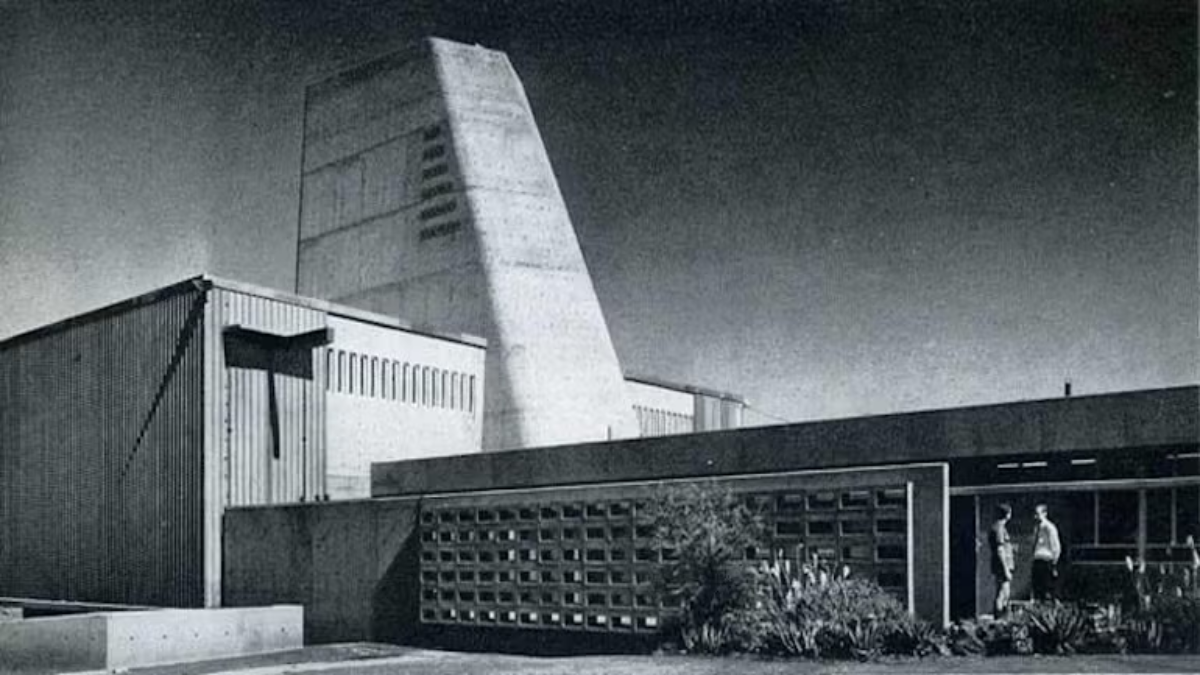
State-owned utility, Eskom, canned the project after it determined the technology was not commercially viable.
The project had been unable to secure an investor or interest from international markets, and Eskom said that it was no longer interested in ordering the reactors either.
The project consistently missed deadlines, according to the Mail and Guardian, failing to construct a demonstration plant, and researchers said they needed R30 billion more in funding to continue the research.
Renewable energy technology was rapidly improving in cost and efficiency at the time, making nuclear energy less attractive, and as South Africa was aiming to export the reactors, the project no longer seemed viable.
Following the closure, the over 2,000 researchers employed to develop the PBMRs mostly left the country.
China then became the global leader in building the reactors. It constructed the first PBMR to reach full initial power in 2022, making it commercially viable.
Now, 16 years after South African PBMR research was mothballed, Ramokgopa said the project will be lifted from care and maintenance.
This is part of the plan to build 5.2GW of new nuclear capacity as outlined in the Integrated Resource Plan.
At the recent press briefing, Ramokgopa said the funding will come from outside investors. He said there is an “insatiable demand” from potential suitors for the project that the country will partner with.
In terms of skills, the minister is relying on new nuclear scientists graduating from university in the coming years, and the return of those who fled the project in 2010.
“The project employed over 2,000 people, most of them scientists. We have lost that capability, and of course, we have not seen a pipeline of nuclear scientists,” the minister said.
Ramokgopa said he is confident that the engineers who worked on the project will “come back home” to continue their work, and has plans to develop a nuclear scientist pipeline with South African universities.
No skills, no funding, and 16 years behind
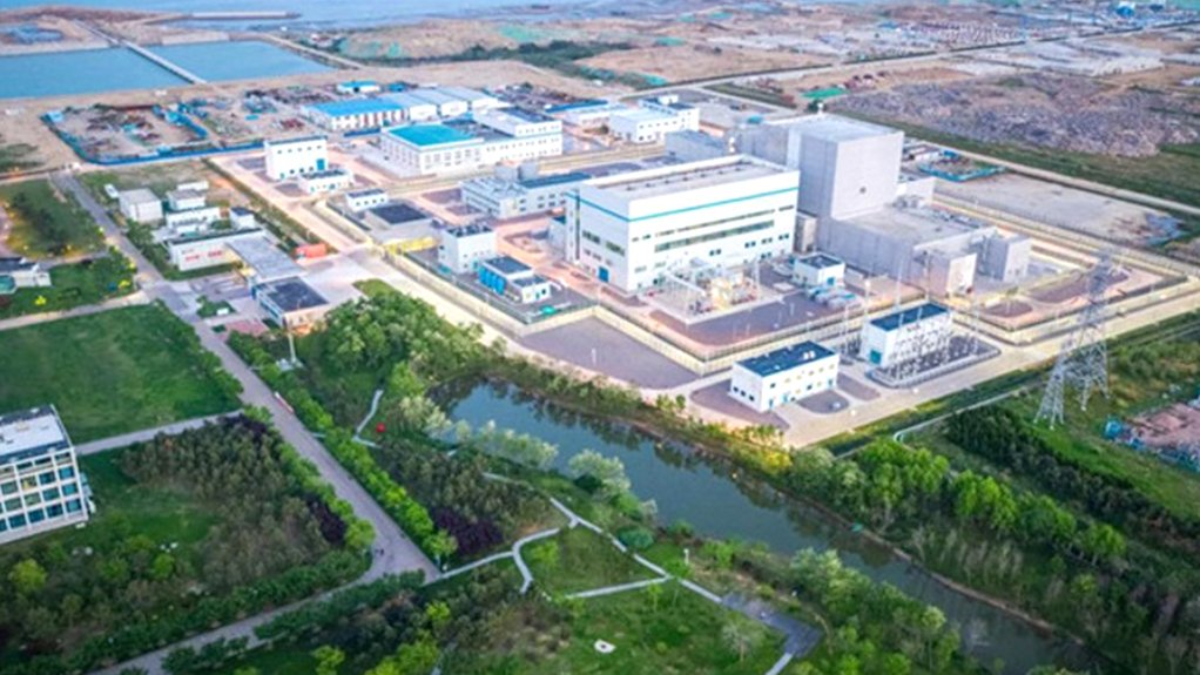
Some critics believe that South Africa is too far behind to restart its research into PBMRs now. Others believe that feasibility studies need to be carried out before more money is invested.
Energy Expert Chris Yelland said that it’s not possible for South Africa to catch up after abandoning the technology, and that the lack of critical skills will be the biggest risk factor.
The Democratic Alliance worries the project is a waste of taxpayer money.
“Before any new commitments are made, updated feasibility and cost assessments must be tabled and scrutinised, particularly ahead of any section 34 determinations,” said Mileham.
Energy Expert Vally Padayachee was working in Eskom Generation at the time when the plug was pulled on the PBMR project.
He said that, while he supports the revival of PBMR from a science and engineering perspective, he has concerns.
“The implementation of modern modular nuclear reactors must be justified through rigorous feasibility studies, updated economic assessments and strong stakeholder engagement to ensure community confidence and support,” he said.
He urges caution to ensure that historical missteps are not repeated, but said that there is a recent global shift to nuclear energy.
The minister also touted plans for small modular reactors (SMRs), which the DA spokesperson said would take at least until 2035 to begin examining, due to the preparations and technology required.
Yelland added on social media: “With some 80 SMR projects in progress around the world, many of which are just artist’s impressions or paper reactors.”
“Probably only a handful will ever become licensed and commercially viable, I would suggest a watch and wait and see approach.”
The Minister, however, insists that: “South Africa is going back to its rightful place as a major player on the nuclear fuel cycle, and we are confident that over a period of time will be a dominant and indispensable player on the nuclear side.”




 Loading ...
I can recall the Kusile saga.