
The top performing city in South Africa



The City of Cape Town is the only one of South Africa’s eight metropolitan municipalities to receive a clean audit opinion during the 2023/24 financial year, making it the best-financially run city in South Africa.
This is according to the Auditor-General of South Africa’s (AGSA) assessment of the financial reporting of the country’s 257 municipalities for the 2023/24 financial year.
These local governments comprise 205 local municipalities, 44 district municipalities, and eight metropolitan municipalities.
Local municipalities are responsible for delivering direct services to communities, while district municipalities tend to handle cross-municipal functions such as infrastructure provision.
For instance, the best-performing local municipality in South Africa is the Overstrand LM, which is one of four within the Overberg DM.
Metros, on the other hand, fulfil the mandates of both local and district municipalities and govern large urban areas. This was done so that cities could be governed as single entities.
In addition to Cape Town, Buffalo City, Johannesburg, Tshwane, Ekurhuleni, eThekwini, Mangaung, and Nelson Mandela Bay make up the country’s other metros.
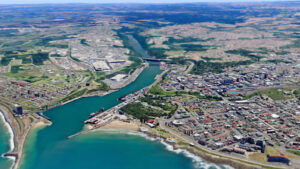
The City of Cape Town covers an area of 244 square kilometres and has a coastline that stretches for 294 km.
As of 2022, approximately 4.77 million people lived within the metro, across 1.46 million households.
Major urban areas within the City of Cape Town include Bellville, Khayelitsha, Athlone, Cape Town, Somerset West, Mitchells Plain, and Nyanga.
According to the AGSA’s report, 92.7% of people have piped water inside their dwellings, 96.7% have electricity for lighting, 91.4% have weekly refuse removal, and 93.4% have flush toilets.
The city’s closing balance of unauthorised expenditure — money spent without approval or that exceeds the budget allocation — and fruitless and wasteful expenditure — funds spent unnecessarily or ineffectively — sat at R0 by the end of the financial year.
Its irregular expenditure closing balance, which refers to money spent in violation of laws, regulations, or procurement procedures, was R626.12 million.
Cape Town’s total revenue for the year was R58.96 billion. Of this, R49.92 billion was generated from taxes and levies, and R4.46 billion was received in grants.
It also received R4.58 billion in equitable share revenue, which is a portion of national tax revenue distributed among local governments.
Political composition
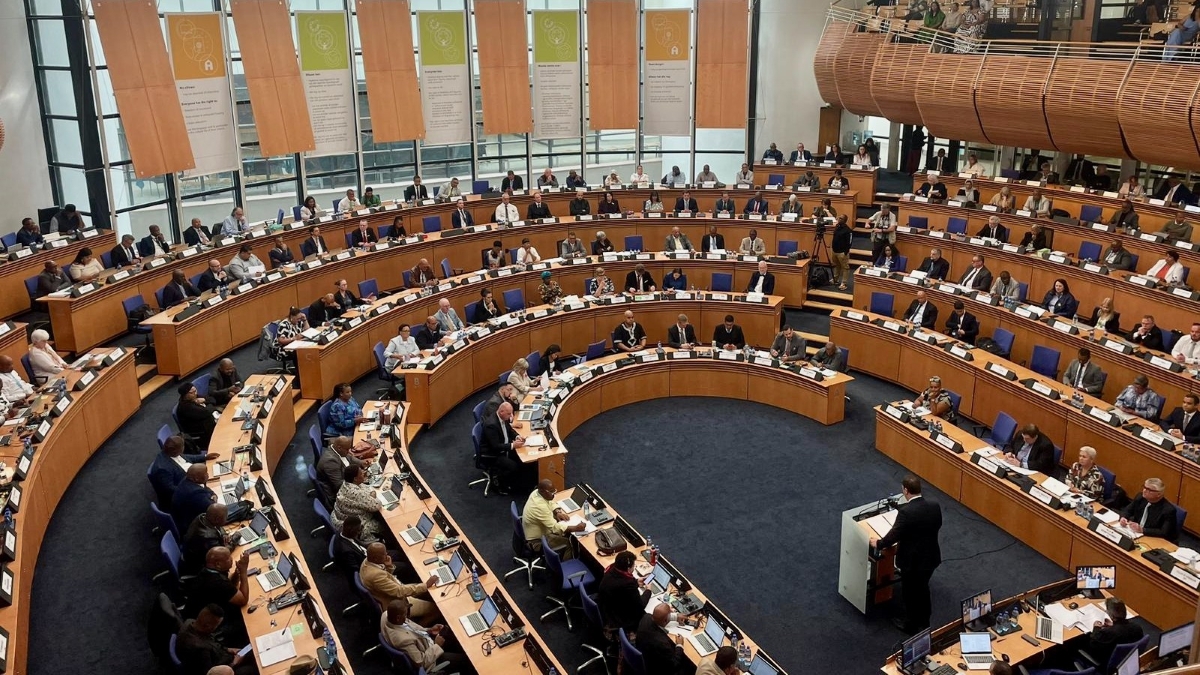
The Democratic Alliance holds the majority of seats in the City of Cape Town’s council with 135, thus occupying the mayoral and deputy mayor positions.
Other major parties in the council include the African National Congress with 43 seats, the EFF with 10, GOOD with nine, the CCC with seven, the ACDP with six, and the PA with five.
The rest of the council comprises the VF+, Al Jama-ah, ARA, Cape Exit, AIC, CMC, DIP, PAC, UDM, and the UIM.
The DA has had control of the metro since the Municipal Structures Act — which determined that metropolitan municipalities would govern metropolitan areas — came into effect in 2000.
This was when the Democratic Party merged with the New National Party to form the Democratic Alliance, with both parties’ councillors running as candidates that year.
‘A culture of accountability’
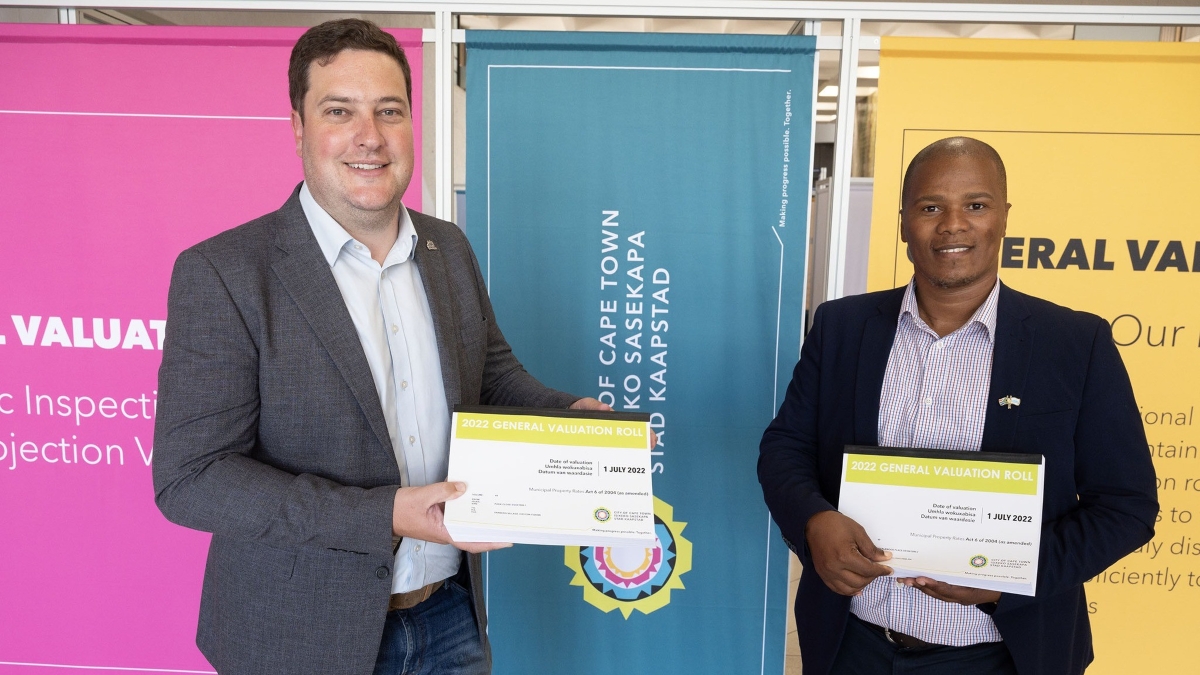
The city’s MMC for Finance, Councillor Siseko Mbandzi, told Newsday that the city’s success lies in its commitment to transparency, accountability, and sound financial management.
“The City municipality has built a strong governance culture where every rand spent is monitored and audited and our disciplined approach sharply reduces the risk of mismanagement, and it also ensures that resources go where they are most needed,” he said.
“It must be noted that clean audits and good governance take an immense administrative and political will to achieve. It is about creating a culture of accountability and looking at matters without fear or favour, warts and all.”
When asked about the role of political stability in the metro’s performance, he said that this absolutely contributes to its success. However, more important is the underlying values and dedication to accountability.
“Our robust internal controls, monitoring and our culture of compliance ensures that all public funds are managed responsibly,” he said.
“This means that fewer resources are wasted on inefficiencies, leaving more resources available for the City to focus on our service delivery.”
Mbandzi also highlighted that Cape Town has the highest paymnet ratio of any of the metros in the country. This refers to a muncipality’s ability to meet operating expenses with its current cash.
“This takes a lot of work and dedication. And it is vital as the income challenges and financial issues in South Africa persist,” he said.
“Without the municipal income from tariffs and rates service delivery cannot continue, or at the very least cannot expand to meet the growing demands of large metros such as Cape Town.”



 Loading ...
I wonder how long clean audits will go on, given the DA has crept into bed with the anc in the National government. The single most stupid thing they have ever done. They have opened a crack for the anc to spread like sewer waste into our Province. Just stupid.