
South African taxpayers spend millions on an empty and abandoned airport



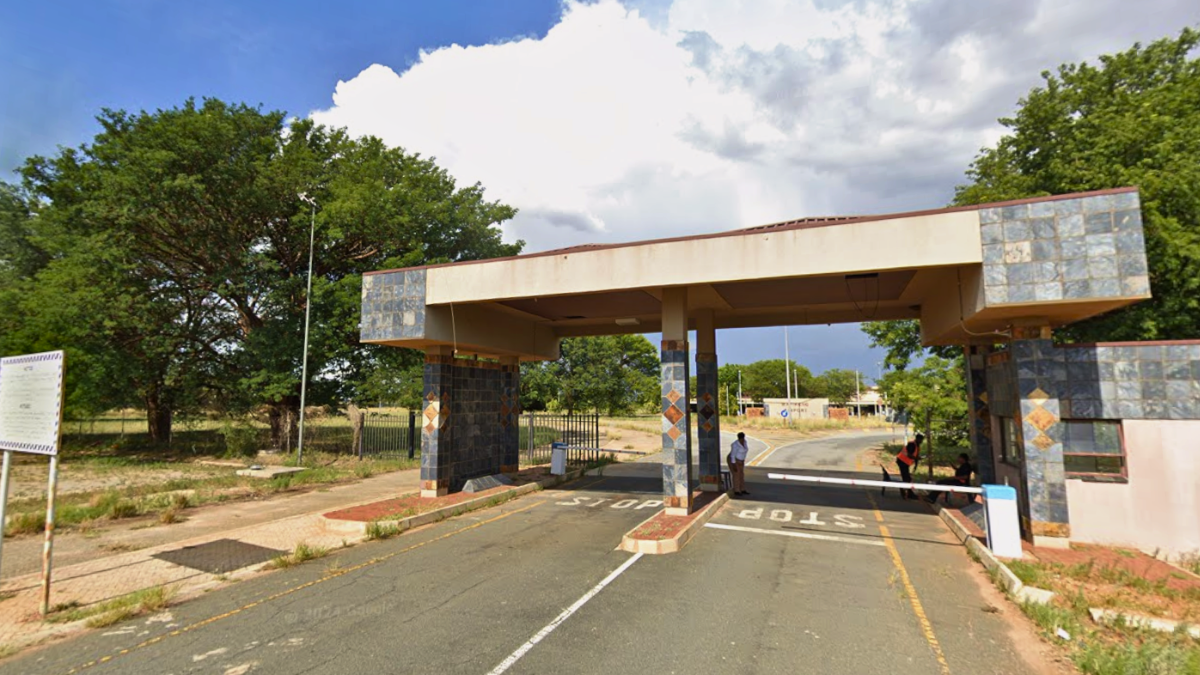
The George Dick Montshiwa Airport in Mahikeng, still widely known as Mafikeng Airport, was meant to be a cornerstone of economic renewal in the North West.
More than a decade and millions of rands later, the project has yet to take off, despite taxpayers still paying millions to maintain and guard an abandoned airport.
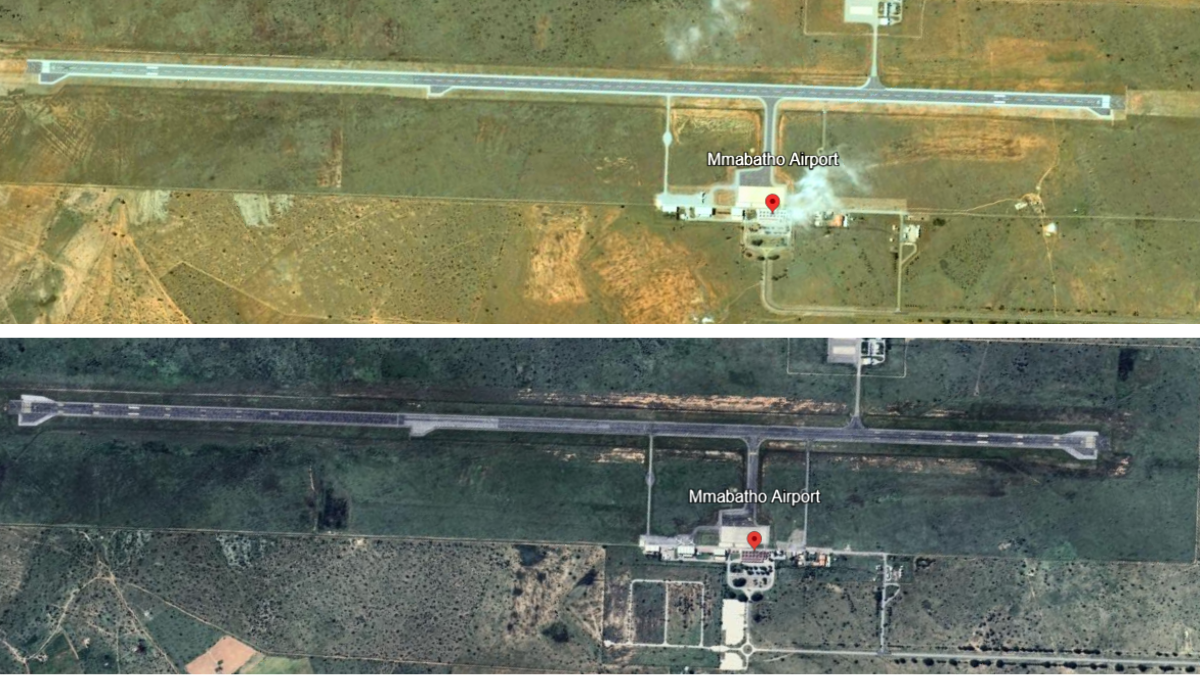
Originally opened in as an air force base under the former Bophuthatswana government in the late 70s/early 80s, the airport once held international status and boasted one of the longest runways in Africa.
But its promise has steadily eroded through years of mismanagement, irregular planning, and a lack of commercial viability.
The airport is owned and managed by the North West Department of Community Safety and Transport Management (DCSTM).
Despite its dormant status, the site still incurs ongoing public costs, including salaries for security staff and maintenance personnel, without generating any revenue.
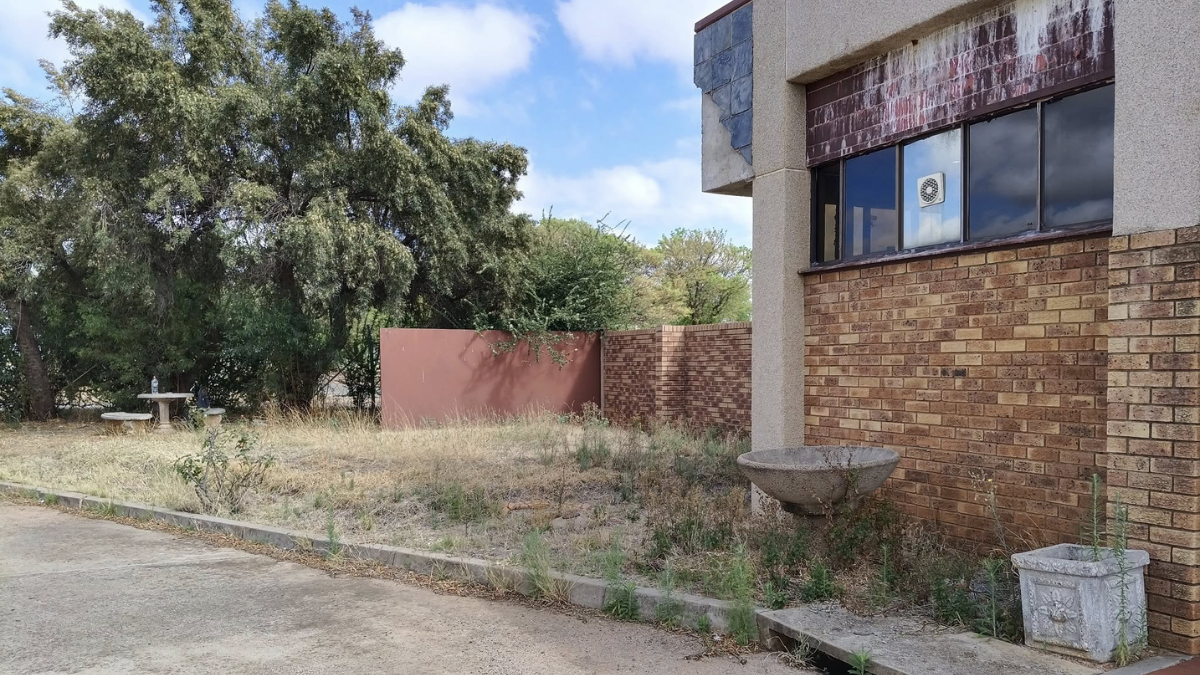
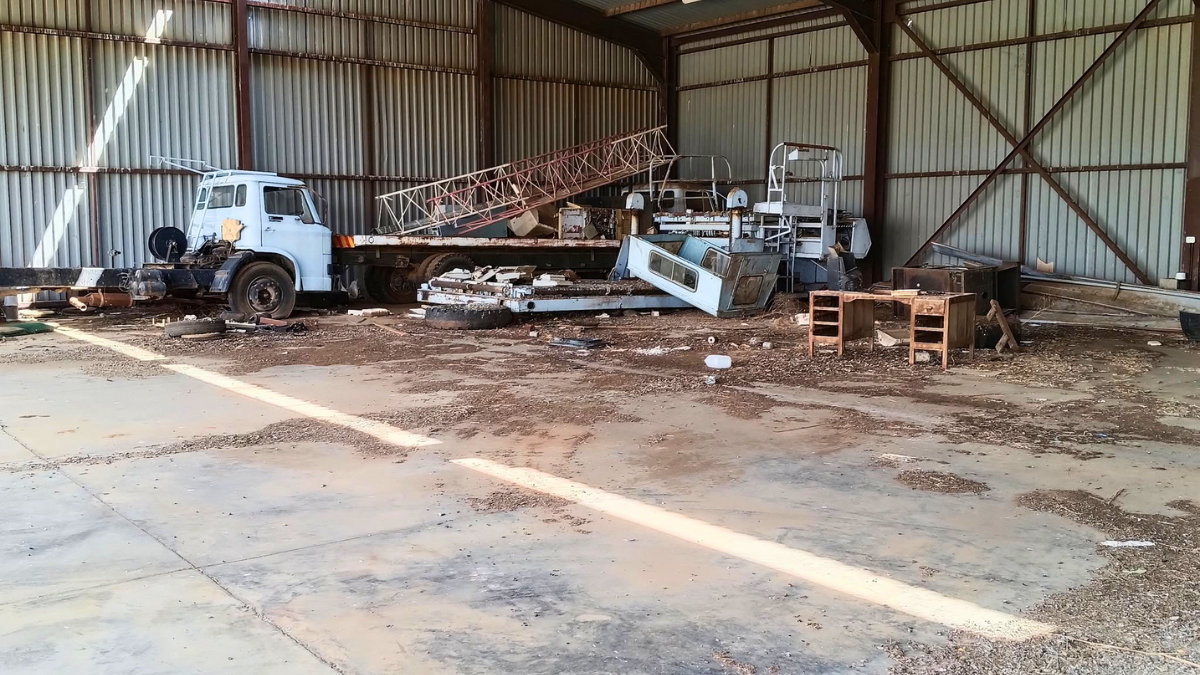
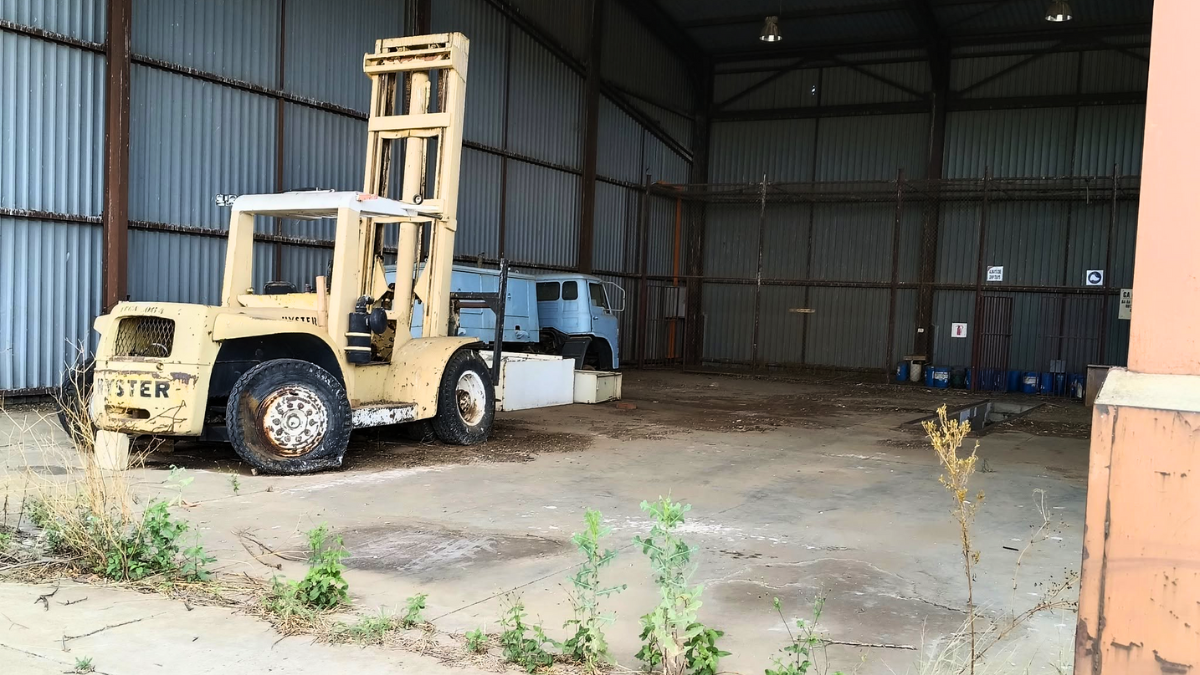
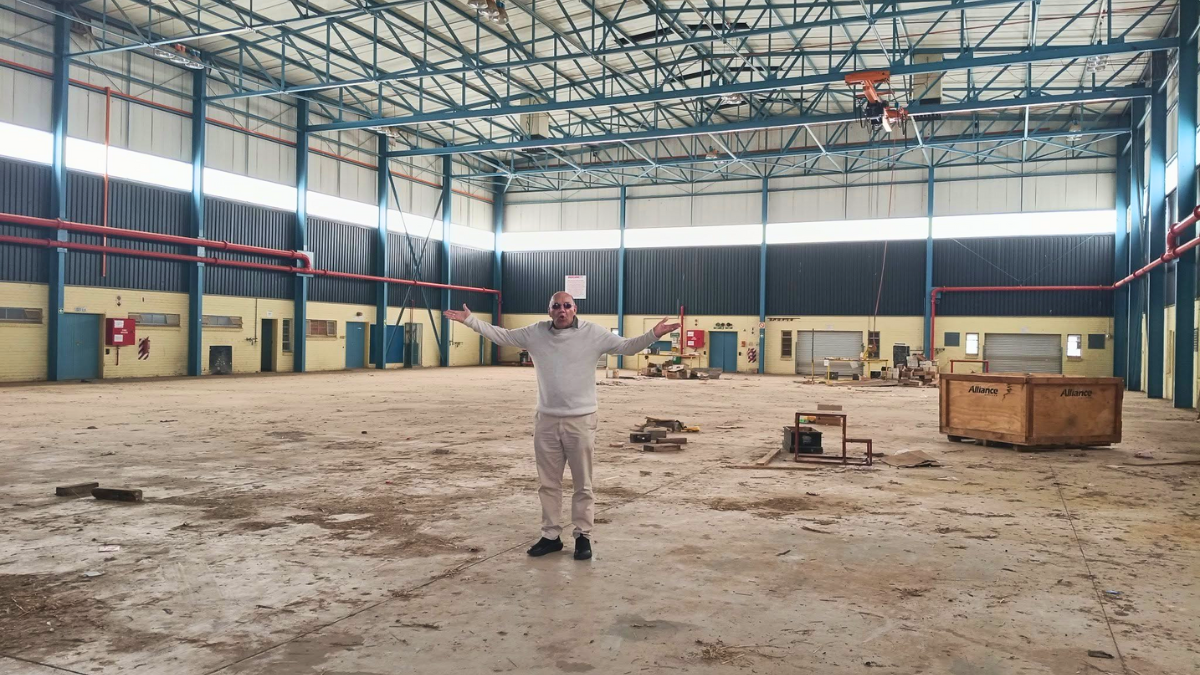
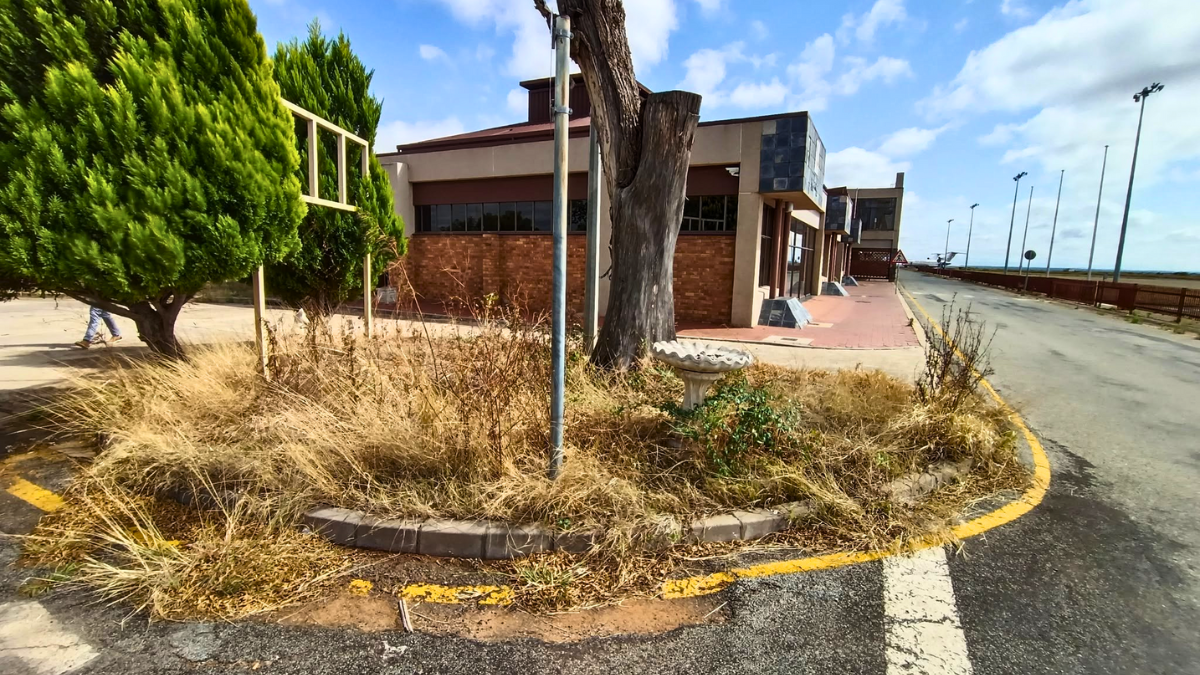
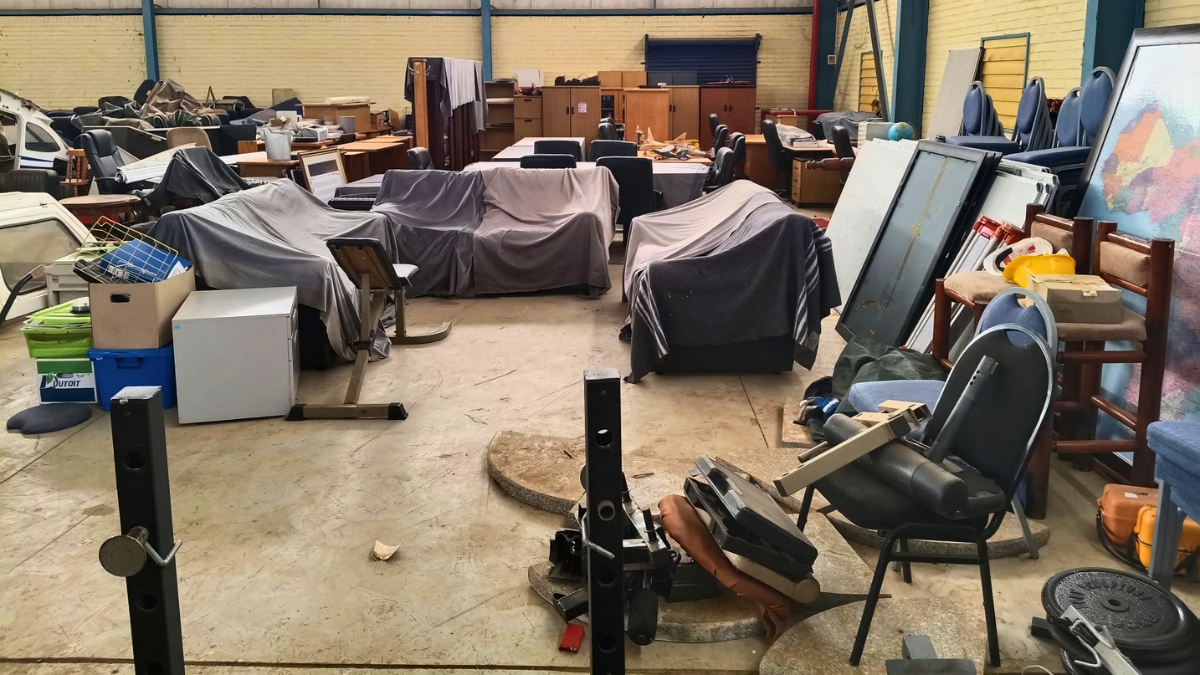
During a recent oversight visit by the NCOP’s Select Committee on Finance, members found the facility in relatively preserved condition, though still idle.
The committee was informed that an estimated R1 billion is required to refurbish and upgrade the airport infrastructure.
The provincial department continues to spend approximately R5 million annually on maintenance and security to preserve the facility.
History of interrupted operations
Mafikeng Airport’s decline has been long in the making. In 2001, the South African Civil Aviation Authority (SACAA) suspended its international licence due to safety and management failures.
Although regional carrier SA Express briefly resumed flights to Johannesburg, operations collapsed again amid low passenger numbers and the airline’s own financial difficulties.
Earlier efforts to keep the route viable depended on heavy provincial subsidies to fill empty seats — a model Treasury officials later deemed unsustainable.
In 2013, the provincial government announced an ambitious plan to upgrade the airport’s infrastructure to meet South African Civil Aviation Authority and International Civil Aviation Organization (ICAO) standards.
The project, initially valued at around R45 million, included R15 million for civil works such as runway resurfacing and markings, and R30 million for an upgraded instrument landing system and electrical systems.
Officials said this would elevate the airport to a Category 5 classification, improving safety and positioning it as a cargo and tourism hub. However, this never materialised.
DA MPL Freddy Sonakile explained that there was significant funding channelled into it through management companies linked to the now defunct SA Express.
“Unfortunately, that’s where things went wrong, funds were mismanaged and squandered. Criminal cases were subsequantly opened, some of which are still ongoing.”
It was well reported that the North West Department of Community Safety and Transport paid SA Express exorbitant rates to operate the province’s Mafikeng and Pilanesberg airports, when compared with industry standards.
The 2015 deal, which is riddled with allegations of corruption and procurement irregularities, came under the spotlight again at the Zondo inquiry into state capture.
The agreement was allegedly intended to transfer up to R400 million from the North West government account to SA Express.
The commission believed R97 million of that amount was siphoned off to various entities through a “detailed scheme of money-laundering”.
The airport has remained largely inactive for more than a decade, with occasional attempts to revive operations through training schools and private partnerships with aviation clubs that failed to achieve traction.
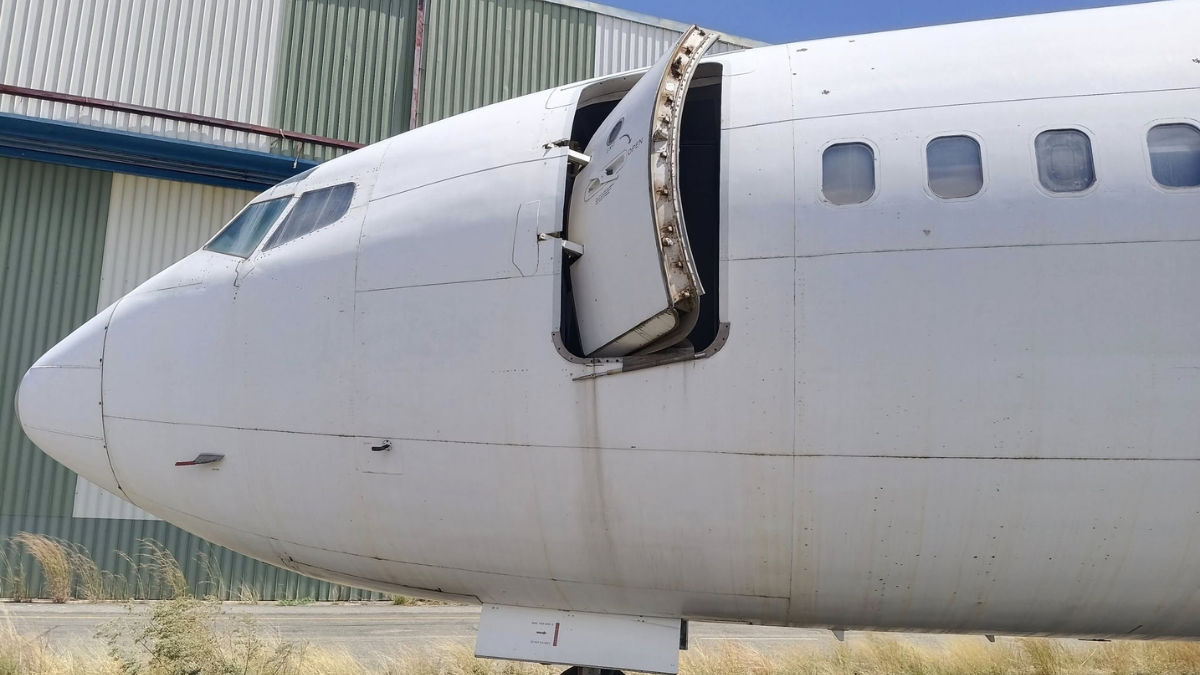
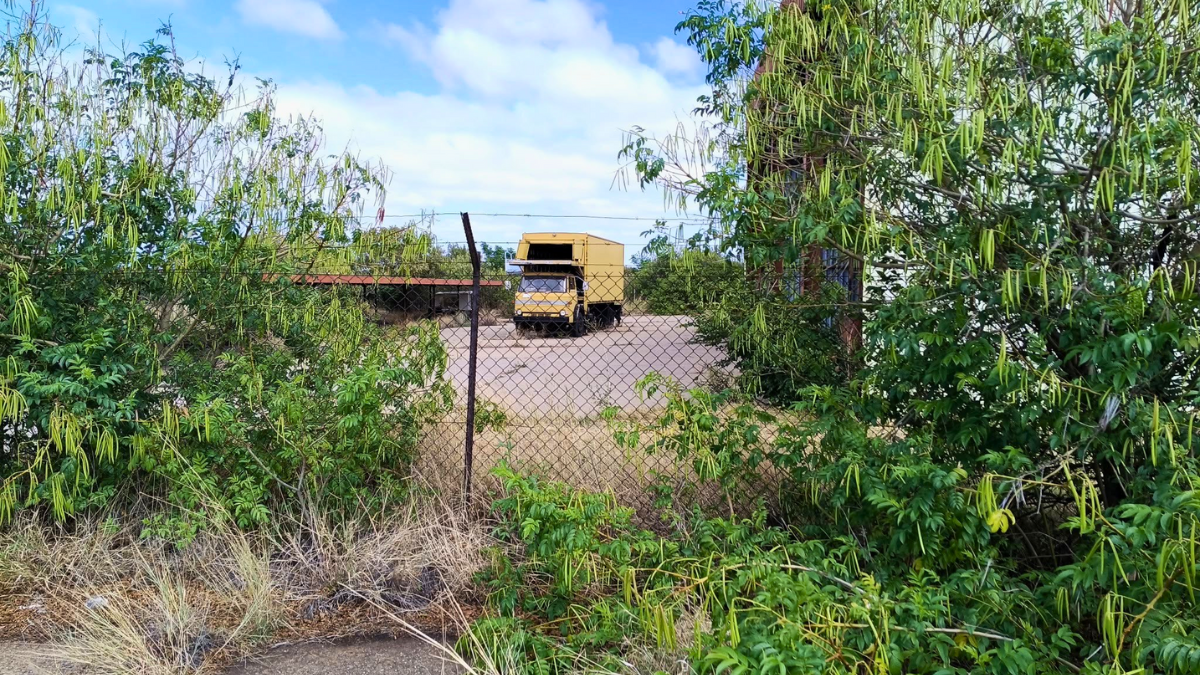
Two aircraft remain impounded on-site by the South African Revenue Service (SARS).
This was then reinvigorated in recent years. Yet, Departmental reports show that while consultants were appointed and designs completed, construction has not begun.
Tender documentation was only submitted in March 2025, with the six-month construction phase still awaiting contractor appointment.
Treasury: “No value for money”
The North West Provincial Treasury has sharply criticised the project’s financial management.
In a 2025 expenditure review, Treasury noted severe underspending and poor planning, citing erratic allocations between 2022 and 2024 — followed by a large but underutilised budget in 2024/25.
Only R5.9 million, or 29.4% of the total allocation, had been spent by the time of reporting.
Of that, R3.8 million came from a R15 million allocation in 2024/25, and just R1.78 million from the R10 million set aside for 2025/26.
Treasury found “no tangible assets or improvements to show” for the money spent, concluding there was “no value for money” in the current phase of implementation.
It warned that the continued stalling of the project “damages public trust” and called for a “robust business case” before further investment.
Provincial Treasury’s warning that the project lacks “a clear value proposition” echoes across oversight reports.
The Auditor-General’s office reported that the Mafikeng Airport project was not selected for audit in the 2024/25 cycle because it had “no active work or significant expenditure.”
The AG confirmed that the airport “is not operational” and “does not meet fire, safety or licensing standards,” preventing the resumption of commercial flights.
It further recommended that the Finance Committee require a detailed implementation plan with clear timelines to restore operational capacity.
Systemic failures
Internal oversight reports from the provincial DCSTM list a long series of administrative bottlenecks:
- Insufficient budget allocations in early phases.
- Lack of support from the Provincial Treasury and Infrastructure Support Agency.
- Non-operational fire and rescue services.
- Inadequate perimeter security and access control.
- Degraded runway and building infrastructure.
- Non-compliance with SACAA regulatory requirements.
In response, the DCSTM has proposed mitigation measures, including co-funding from the Development Bank of Southern Africa (DBSA), the North West Development Corporation (NWDC) and the Infrastructure Support Agency (ISA).
However, none of these funding partnerships have yet been formalised.
Oversight Visits: Upkeep for a ghost town
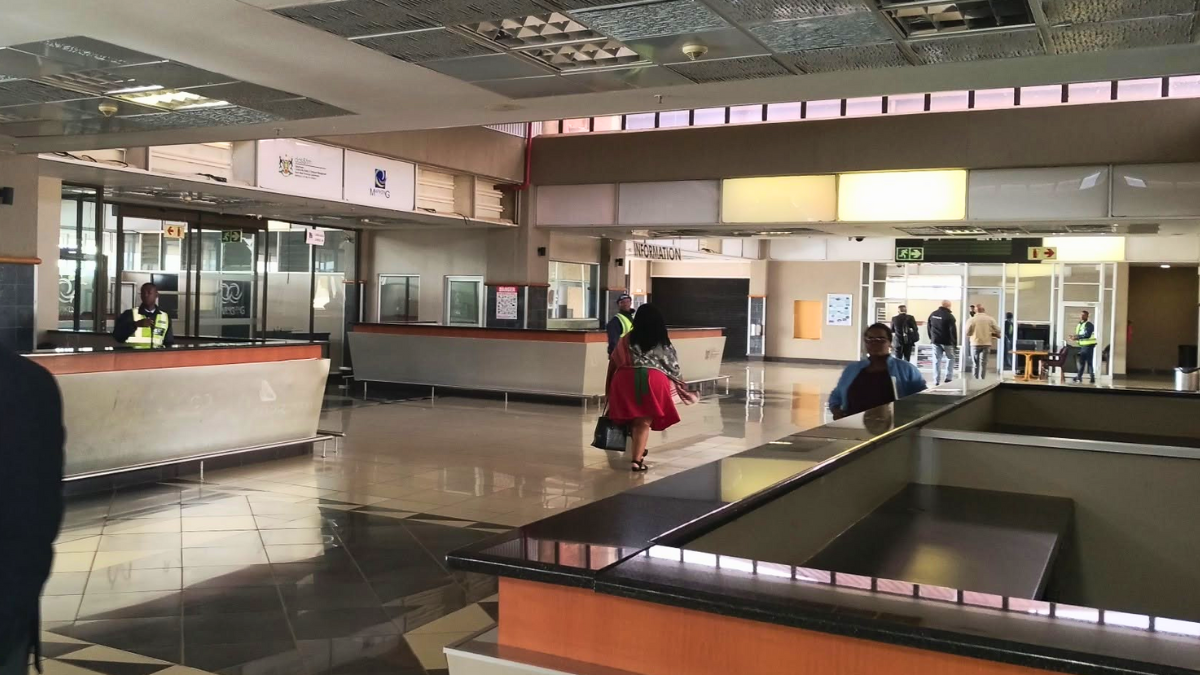
Parliamentary and provincial oversight committees visiting the airport in 2025 described a site that remains “ready but unused.”
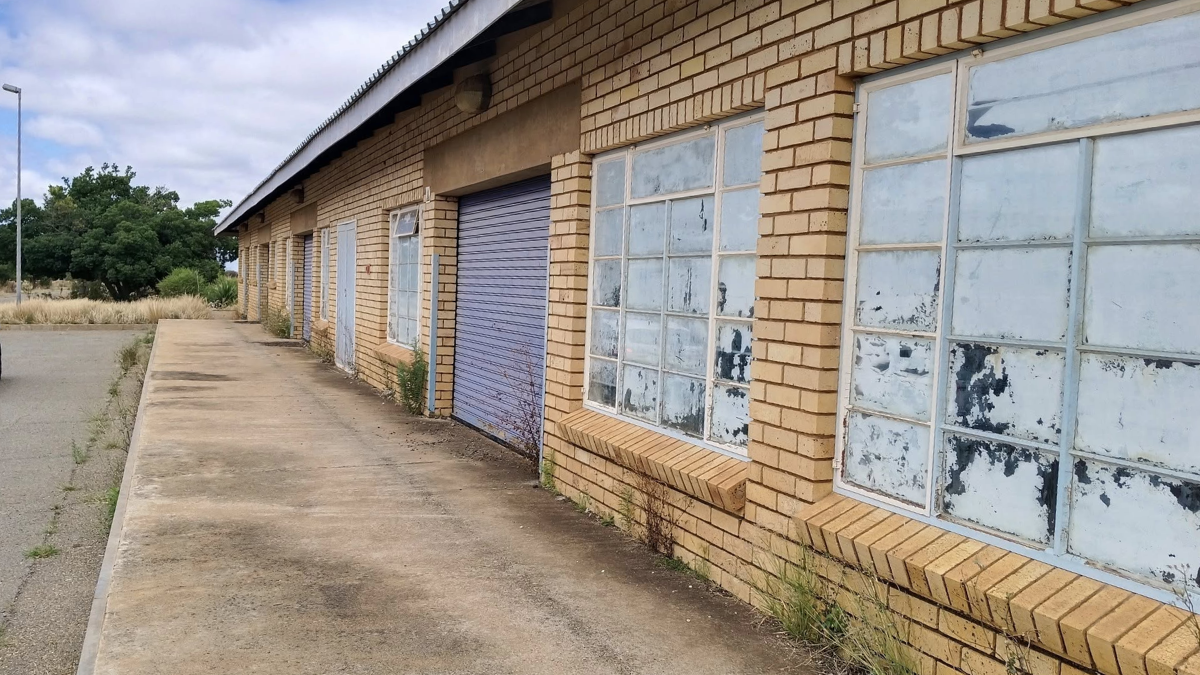
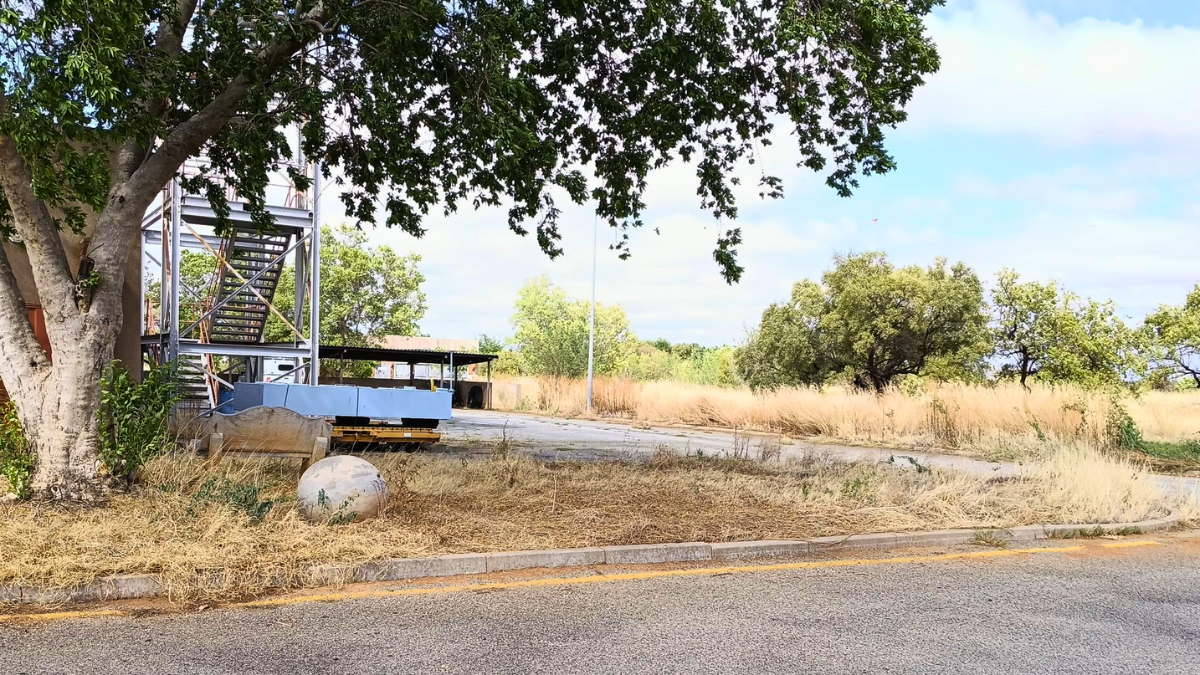
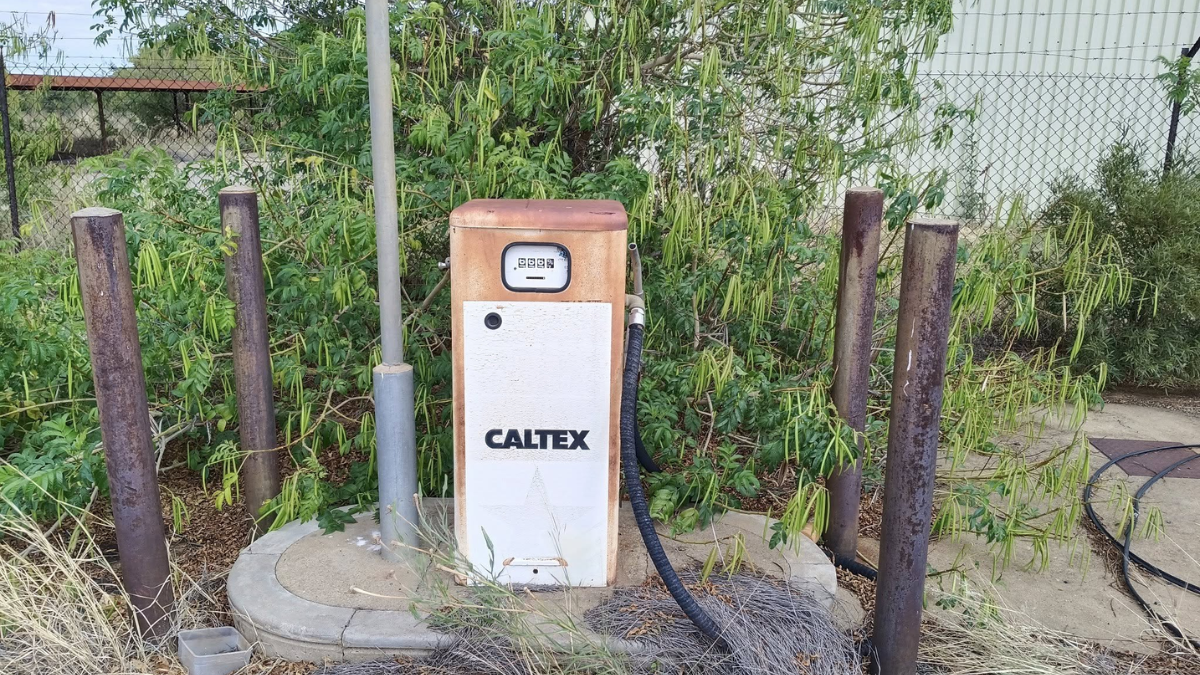
While physical structures, hangars, runways and terminals remain intact, operations have ceased entirely.
During one such visit, members learned that flight schools previously operating from the site had been closed.
Officials initially cited “compliance concerns,” but later reports confirmed the closures followed findings that some operators were not properly licensed or authorised to conduct training.
However, “the committee commended the department for its continued efforts to safeguard the airport as a valuable public asset, noting that the structural integrity of the infrastructure remains largely intact.”
NCOP member Dennis Ryder raised security concerns, particularly given the airport’s proximity to the Botswana border, and urged stricter monitoring to prevent unregulated activity.
Fellow DA NCOP member Paul Swart told Newsday that he believes the airport is not currently viable as a commercial or cargo hub, given weak regional demand and the absence of airline or cargo partners.
Restoring full operations would require extensive upgrades, from resurfacing runways to modernising safety, fire, navigation and staffing systems, with no guarantee of return.
He proposed more practical alternatives:
- Repurposing the site as an aviation training centre;
- Leasing hangars for maintenance or drone operations;
- Developing solar power to offset costs; or
- Reclassifying it as a provincial emergency and disaster-response base.
The North West government continues to present the airport as a strategic asset for regional economic development.
Yet after more than ten years of planning, public funds have produced no measurable outcome,
“Continuing to spend public funds on reopening GD Montshiwa Airport as a commercial airport, in its current form, would not be fiscally responsible,” said Swart.
He warned that without “a credible operator, demand forecast and business model,” the airport risks becoming “a long-term financial burden instead of a driver of development.”
He added that “any future decision must be based on realistic demand, transparent cost analysis, and clear value for the taxpayer.”
Newsday consistently reached out to the North West Provincial government for comment, but could not get a response by time of publication.
More images of George Dick Montshiwa Airport





 Loading ...
viva anc viva